Are Silicone Sippy Cups Non-Toxic? Safety Checklist
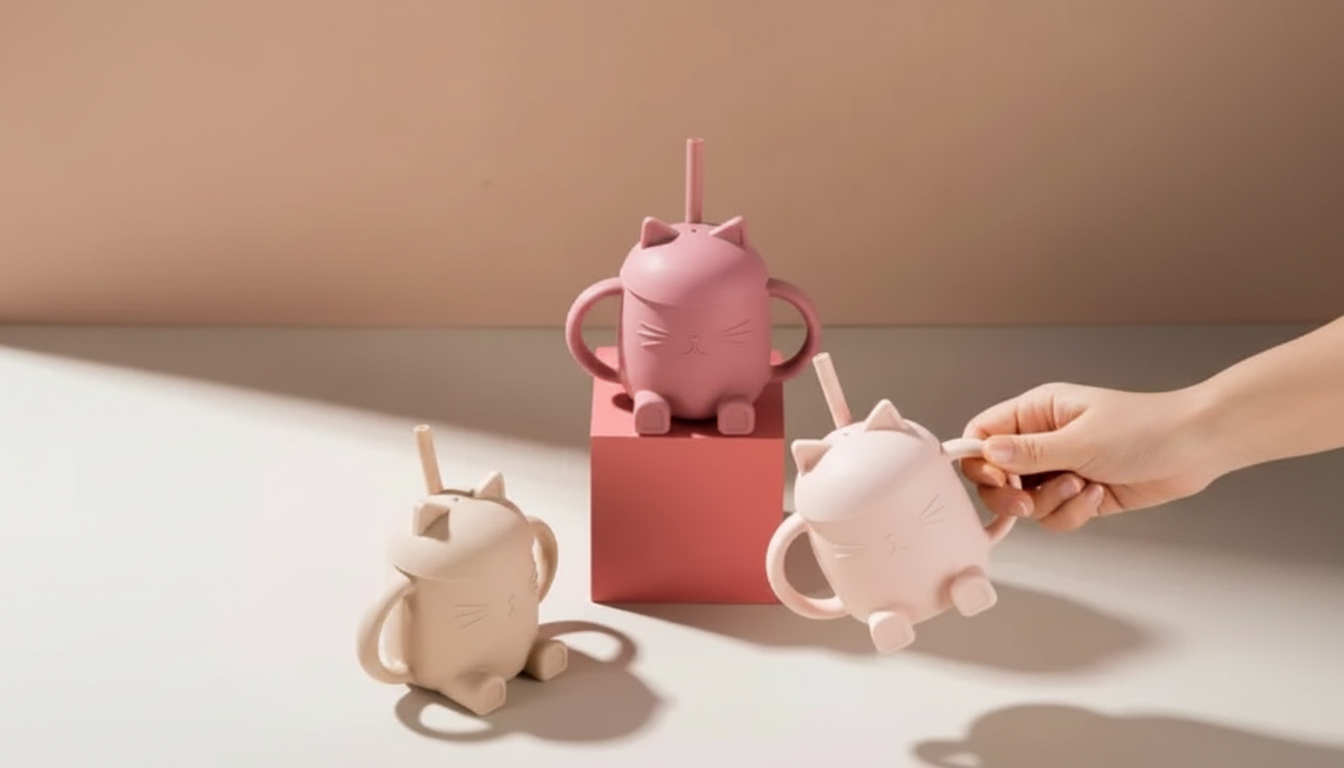
Are silicone sippy cups non-toxic?
Silicone sippy cups can be a non-toxic choice when they’re made from high-quality, food-grade silicone and manufactured with strict safety standards. Silicone is generally valued because it’s inert, durable, and less likely to leach chemicals compared with some plastics—especially when used with warm liquids or run through a dishwasher.
What “non-toxic” depends on
Not all silicone products are identical. A cup’s safety comes down to the material quality, added fillers, dyes, and overall manufacturing controls. Look for products clearly labeled as food-grade silicone and free from common additives such as BPA, BPS, phthalates, PVC, and lead. Reputable brands typically provide material disclosures and testing information, which helps reduce guesswork.
Heat, cleaning, and everyday use
Silicone holds up well to temperature swings, which is one reason parents like it for sippy cups. Even so, proper care matters: follow the manufacturer’s cleaning and temperature guidelines, and avoid using a damaged cup. If the silicone becomes sticky, develops a strong odor that won’t wash out, or shows tearing, it’s a sign to replace it.
How to spot a safer silicone sippy cup
Prioritize a cup that is specifically marketed for baby/toddler feeding, states it’s made from 100% food-grade silicone, and includes straightforward care instructions. Also check that any additional parts—like lids, valves, or straws—are made from equally safe materials, since those components may contact liquid just as often as the cup itself.
For a deeper look at a BPA-free silicone option, features to consider, and practical use tips, see the full guide here: https://babyjoyboutique.com/guide-silicone-cat-lid-sippy-cup-with-handles-bpa-free-toddler/.
FAQ
How do you clean silicone sippy cups?
Wash with warm water and mild dish soap, scrubbing around the rim and any crevices where residue can collect. For lids, valves, or straws, disassemble fully and clean each piece; many silicone cups are also top-rack dishwasher safe if the manufacturer allows it.









Leave a comment