Silicone Cat Lid Sippy Cup with Handles for Toddlers
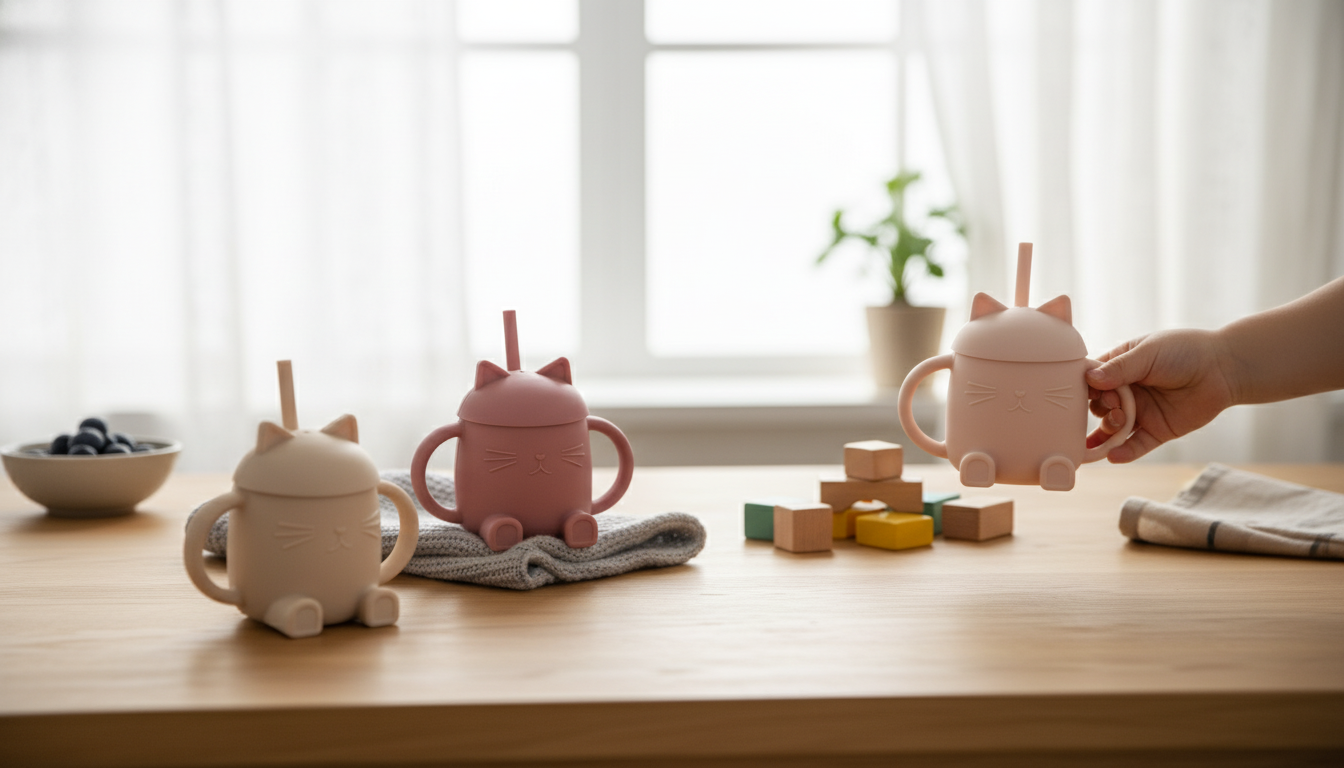
Baby Silicone Cat Lid Sippy Cup with Handles – A Comfortable First Cup for Little Hands
A first sippy cup works best when it fits small hands, feels gentle on gums, and makes independent drinking easier. This silicone cup pairs easy-grip handles with a playful cat lid design and BPA-free materials for everyday water, milk, or diluted juice at home or on the go. It’s the kind of “grab it and try” cup that can help turn mealtime practice into a smoother daily habit.
What Makes This Cat Lid Cup Practical for Toddlers
When toddlers are learning to lift, tilt, and sip, small design details can make a big difference. This cup focuses on comfort, grip, and a kid-friendly look that encourages repeat practice.
- Soft silicone body and lid designed to feel comfortable during early sipping stages.
- Dual handles support a secure grip for younger toddlers learning to lift and tilt.
- BPA-free construction for peace of mind during daily use (see guidance from the American Academy of Pediatrics).
- Compact size works well for high chairs, many cup holders (where size allows), and travel bags.
- Cute cat-lid design can motivate reluctant drinkers to practice more often.
If you’re shopping specifically for this style, see the Baby Silicone Cat Lid Sippy Cup with Handles – BPA Free Toddler Drinking Cup.
Comfort and Control: Why Handles Matter
Handles aren’t just decorative—they’re a practical training tool. Many toddlers can understand “hold with two hands” before they have the coordination to keep a handle-free cup stable.
- Less wrist strain and better leverage help toddlers keep the cup level while learning.
- Two-handed grip supports steadier sipping and fewer accidental drops.
- A helpful transition step between a bottle and an open cup.
- Builds independence during meals and snacks by letting kids control the cup themselves.
For many families, handles also reduce the “help me, no I do it!” tug-of-war—toddlers can participate without needing constant repositioning by a caregiver.
Materials and Safety Basics for Daily Drinking
For everyday toddler drinkware, the best choice is usually the one that’s easy to handle, easy to clean, and made with commonly expected safety baselines.
- BPA-free materials are a common baseline for children’s cups and bottles.
- Silicone is often valued for being lightweight and less likely to crack than rigid cups if dropped.
- For hot liquids, follow care guidance and always test temperature before offering anything warm to a child.
- Replace when worn: discard and replace if the cup shows tears, warping, or damage that could affect performance.
Clean routines matter too—especially with milk. The CDC’s hygiene basics are a helpful reminder that consistent, simple cleaning habits go a long way for daily family life.
Quick Specs at a Glance
This overview highlights the features that matter most when a toddler is practicing independent drinking.
| Feature | What to Know | Why It Helps |
|---|---|---|
| Handles | Two side handles | Improves grip and control for small hands |
| Material | Silicone | Soft feel; drop-friendly for learning stages |
| Safety | BPA-free | Supports safer daily drinking routines |
| Lid style | Cat-themed lid | Adds fun and encourages practice |
How to Use It for Smoother Transitions
Kids tend to learn faster when the environment is calm and the “practice task” is simple. A few small adjustments can reduce spills and frustration during the first week or two.
- Start with small amounts of water to practice lifting, tilting, and setting the cup down.
- Begin seated (high chair or table) before trying car or stroller use.
- Model slow sips and short breaks to reduce coughing during early practice.
- If transitioning from a bottle, keep routines consistent (same meal times) while changing only the cup.
- Rotate cups as needed so one is always clean and ready.
A practical approach is “water practice cup” during the day and a separate cup or bottle for longer outings if you want extra spill protection in transit.
Cleaning and Care Tips That Save Time
Silicone is convenient for everyday use, but cleaning promptly is still the easiest way to avoid lingering smells—especially after milk.
- Rinse shortly after use to prevent odors and residue buildup.
- Wash with warm soapy water; use a small brush for lid creases if needed.
- Dry all parts fully before reassembly to help prevent musty smells.
- Avoid harsh scrubbers that can roughen silicone surfaces over time.
- Inspect regularly—check the lid and edges for wear if used daily.
When This Cup Is a Great Fit (and When to Switch)
This cat lid silicone cup tends to work best as a “learning cup” that supports coordination and confidence. As skills grow, switching styles can help toddlers master new drinking milestones.
Pair It with Mealtime Essentials
For an all-in-one option, consider the 6PCS Silicone Baby Feeding Set with Lion Plate, Bib, Cup, Spoon & Fork alongside the Baby Silicone Cat Lid Sippy Cup with Handles – BPA Free Toddler Drinking Cup.
FAQ
What age is this silicone sippy cup best for?
It’s a good match for babies and toddlers who are starting to practice independent drinking, especially if they benefit from an easy two-hand grip. Readiness varies by child, so caregiver supervision is recommended during early use.
Is the cup easy to clean every day?
Yes—daily care is typically quick with a rinse soon after use, a warm soapy wash, and thorough drying before reassembly. Pay attention to lid creases and replace the cup if you notice tears, warping, or damage.
Can it be used for milk and water?
Yes, it can be used for common toddler beverages like water and milk. For milk, prompt rinsing and washing helps prevent residue buildup and lingering odors.









Leave a comment