Penguin Silicone Sippy Cup: Leak-Resistant & Easy to Clean
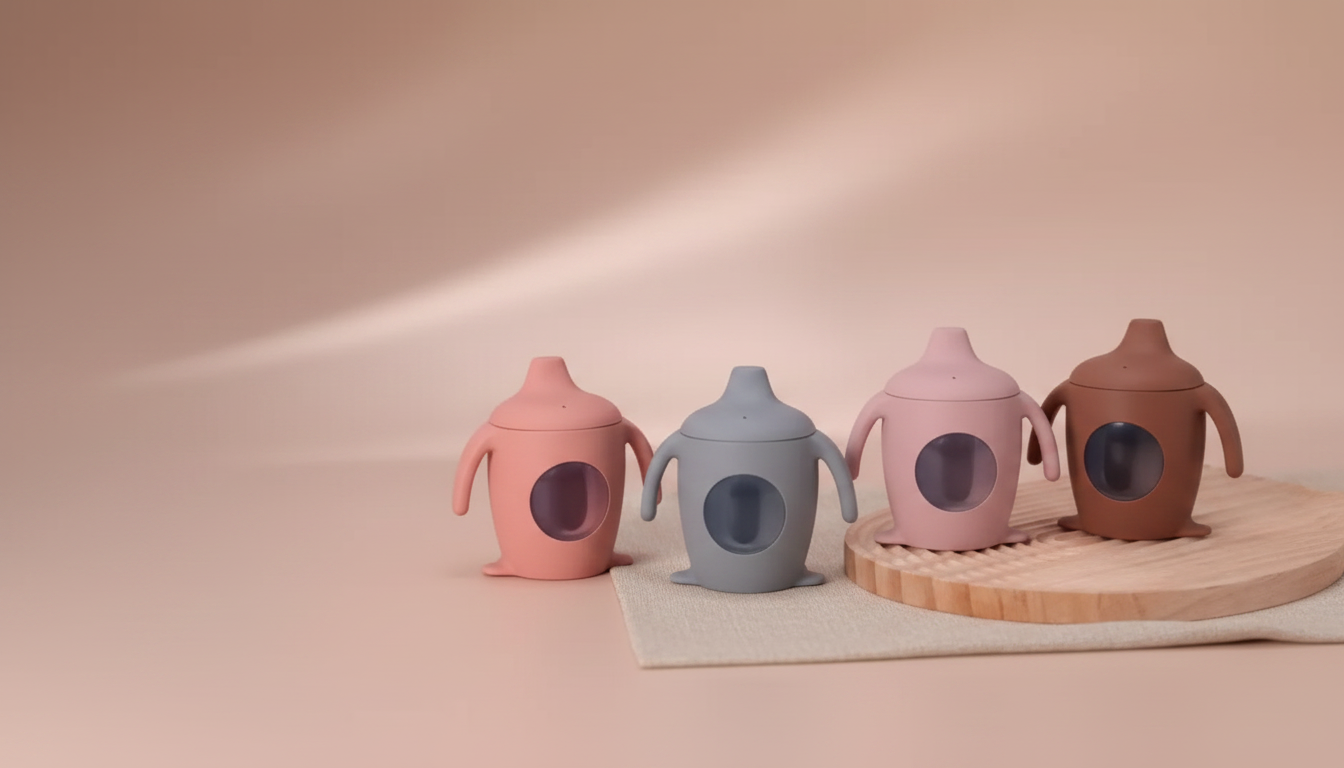
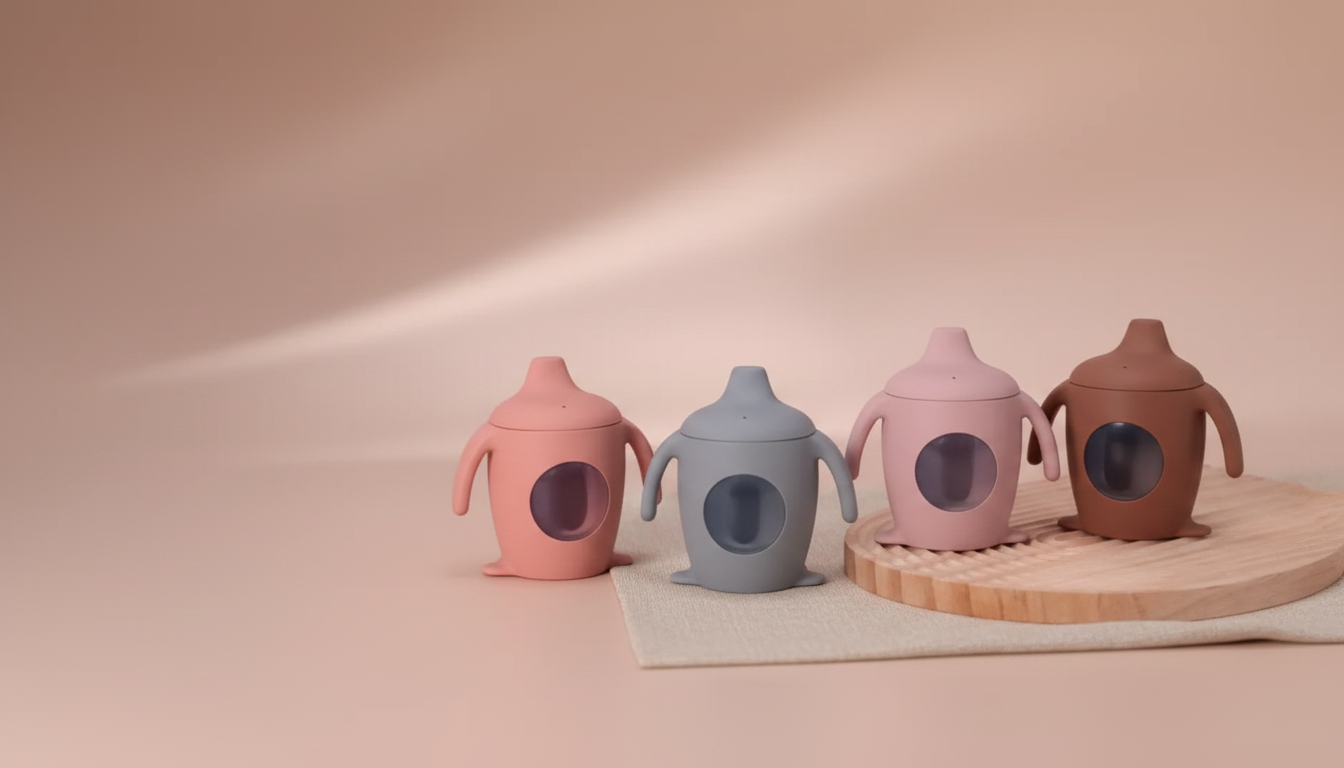
Penguin-Shaped Silicone Baby Sippy Cup: A Cute, Practical Step Toward Independent Drinking
A penguin-shaped silicone baby sippy cup combines a soft, grippy material with a playful design that can make the transition from bottle to cup feel easier for little ones—and simpler to manage for caregivers. Below is a clear breakdown of what to look for, how to use it day to day, and how to keep it clean and safe.
What makes a penguin-shaped silicone sippy cup different
A character cup isn’t only about looks. The penguin shape can turn “try a sip” into a small game, which often helps when a child is unsure about switching from a bottle. Many kids are more willing to pick up (and keep picking up) a cup that feels like a toy they recognize.
- Playful character shape: Can encourage interest and reduce resistance during the bottle-to-cup transition.
- Softer feel: Silicone is gentler in hands and against gums than rigid plastic—especially helpful during teething.
- Easy-to-hold body: A compact design supports developing grip and hand-to-mouth coordination.
- Everyday durability: Families often choose silicone for travel, drops, and the less “hard” feel during early practice.
Quick checklist: features to prioritize for daily use
Two cups can look similar and perform very differently. Before buying (or gifting), focus on the parts that affect real-life use: leak resistance, cleaning, and how easily small hands can control the cup.
Penguin Sippy Cup Buying Checklist
| Feature | Why it matters | What to look for |
|---|---|---|
| Cup material | Comfort and durability during drops and teething | Soft, flexible body; smooth finish without sticky residue |
| Spout/straw design | Controls flow and affects sipping technique | Age-appropriate flow; secure fit; replacement availability if needed |
| Seal & lid fit | Reduces leaks and mess | Snug closure; no wobble; consistent seal after repeated washing |
| Cleaning access | Helps prevent odor and buildup | Wide opening; minimal parts; brush-friendly spout/straw |
| Stability | Less tipping on tables and high chairs | Balanced base; sits flat; easy to place down |
- Spout style: Soft spouts are gentle; straw styles can encourage a different sipping pattern—choose what matches the child’s comfort and your routine.
- Leak resistance: Prioritize a secure lid connection and a snug seal for diaper bags and car seats.
- Handles or grip points: Penguin “ears,” wings, or textured sides can help small hands control the cup.
- Capacity: Smaller volumes stay lighter for beginners; larger sizes can be easier for outings once sipping is consistent.
- Ease of cleaning: Fewer parts usually means fewer places for milk residue and odors to hide.
How to introduce a sippy cup smoothly
The smoothest transitions usually happen when practice feels casual and repeatable. A few minutes each day often works better than one long “training session.” For general guidance on moving from bottle to cup, the American Academy of Pediatrics offers practical, parent-friendly transition tips.
- Start small: Offer a little water during a calm part of the day so practice stays low-pressure.
- Demonstrate “sip and set down”: Help with one small sip, then place the cup back on the tray to reduce constant chewing on the spout.
- Use consistency: Bring out the same cup at the same moments (after breakfast, during playtime) to build familiarity.
- Plan for early spills: Begin over easy-to-clean surfaces and keep a backup bib or cloth nearby.
- Expect ups and downs: Timing varies; focus on progress rather than perfection—especially during illness, travel, or major routine changes.
Cleaning and care for silicone baby cups
Silicone is convenient for daily use, but odor and film can build up if milk or smoothies sit too long—especially in spouts, straws, and tiny valve areas. A simple routine helps the cup stay fresh and ready for the next refill.
Safety notes for everyday sipping
- Supervise during drinking: Especially for young children using straw or spout components.
- Inspect regularly: Check for tears, loose fittings, or damage; replace worn pieces promptly.
- Avoid “walking and sipping”: Discourage carrying a cup while running or climbing to reduce fall risk.
- Watch frequent sweet drinks: Repeated exposure can affect dental health; the American Dental Association and the CDC both emphasize cavity prevention and healthy routines.
- Grow toward open-cup skills: If a bottle is still the main tool, a sippy cup can be a stepping stone while open-cup practice gradually increases.
When a penguin cup is a good gift (and when to skip it)
Product spotlight: Penguin-Shaped Silicone Baby Sippy Cup
If you’re looking for an affordable extra cup to keep in rotation, the Penguin-Shaped Silicone Baby Sippy Cup is designed to make sipping practice feel inviting while staying easy to grab for small hands. Silicone construction is commonly chosen for its soft feel and day-to-day durability, which can be especially useful during early self-feeding and independent drinking routines.
For gifting beyond feeding essentials, a cozy outfit can pair nicely with a practical cup—especially for baby showers or first birthdays. Consider adding the Girls Knit Sweater Dress with Heart Print & Ruffle Collar as a cute, non-feeding add-on when appropriate for the family.
FAQ
What age is a silicone sippy cup usually suitable for?
Many babies can start practicing around 6 months or whenever they can sit with support and bring items to their mouth, but readiness varies. Always follow the specific age guidance and usage notes listed for the cup you choose.
How do odors come out of silicone cups?
Wash promptly after milk or smoothies, fully disassemble parts, and let everything dry completely before reassembling. If odor lingers, a periodic deep clean (per the product’s care instructions) and extra attention to spouts/valves usually helps.
Are sippy cups bad for teeth?
Sippy cups aren’t inherently bad, but frequent, prolonged sipping of sweet drinks can increase cavity risk. Offering water between meals and gradually working toward open-cup habits can support healthier routines.










Leave a comment