Child Left Out at School? Simple Steps That Help
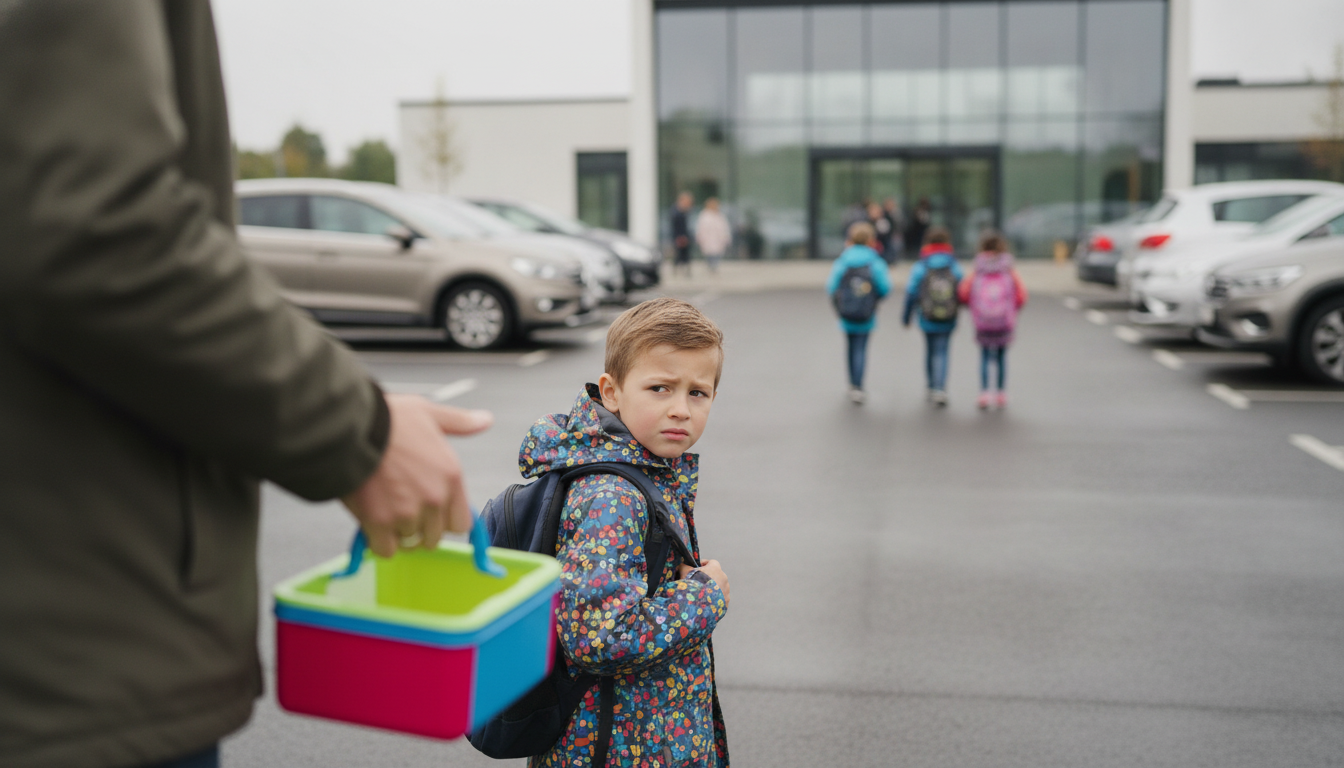
What to do when your child feels left out at school
Feeling left out can hit kids hard because school is where friendships feel “official.” The goal isn’t to instantly fix the social situation—it’s to help your child feel understood, build skills they can use tomorrow, and loop in the right adults when needed.
Start with calm, specific listening
Invite your child to tell the story without rushing to solve it: “Tell me what happened at recess from the beginning.” Reflect what you hear (“That sounds really lonely”) and ask gentle clarifying questions: Who was there? What did you try? When does it happen most—lunch, group work, bus line?
Normalize the feeling, not the exclusion
Let your child know it’s common to have “in” days and “out” days, especially when groups shift. At the same time, be clear that repeated exclusion, teasing, or targeting isn’t something they have to handle alone.
Teach one small, repeatable next step
Kids do best with simple scripts they can remember under stress. Practice a few options out loud:
“Can I join you?” “What are you playing?” “Can I be on your team next round?” If they freeze, a backup can be: “I’m going to play over here—want to join?” This gives them a way to invite, not only ask.
Create a “friendship plan” for the week
Pick one achievable action: sit near a friendly classmate, ask one question at lunch, or invite someone to play a specific game. Set a check-in time after school to review what worked and what didn’t—without judging the outcome.
Know when to involve the school
If your child is regularly excluded, anxious about attending, or names specific kids who are repeatedly unkind, contact the teacher or school counselor. Share patterns (when/where) and ask what supports are available—like seating changes, buddy systems, or adult-facilitated group activities.
For more scripts, coping tools, and ways to support your child, visit this guide on when kids feel left out.
FAQ
How can I help my child make friends outside of school?
Choose one structured activity that matches their interests (sports, art, robotics, library clubs) and commit long enough for familiarity to grow. Aim for small playdates with one peer at a time, with a clear start-and-end plan to reduce pressure.








Leave a comment