Silicone Teethers for Babies: Safety, Use & Cleaning
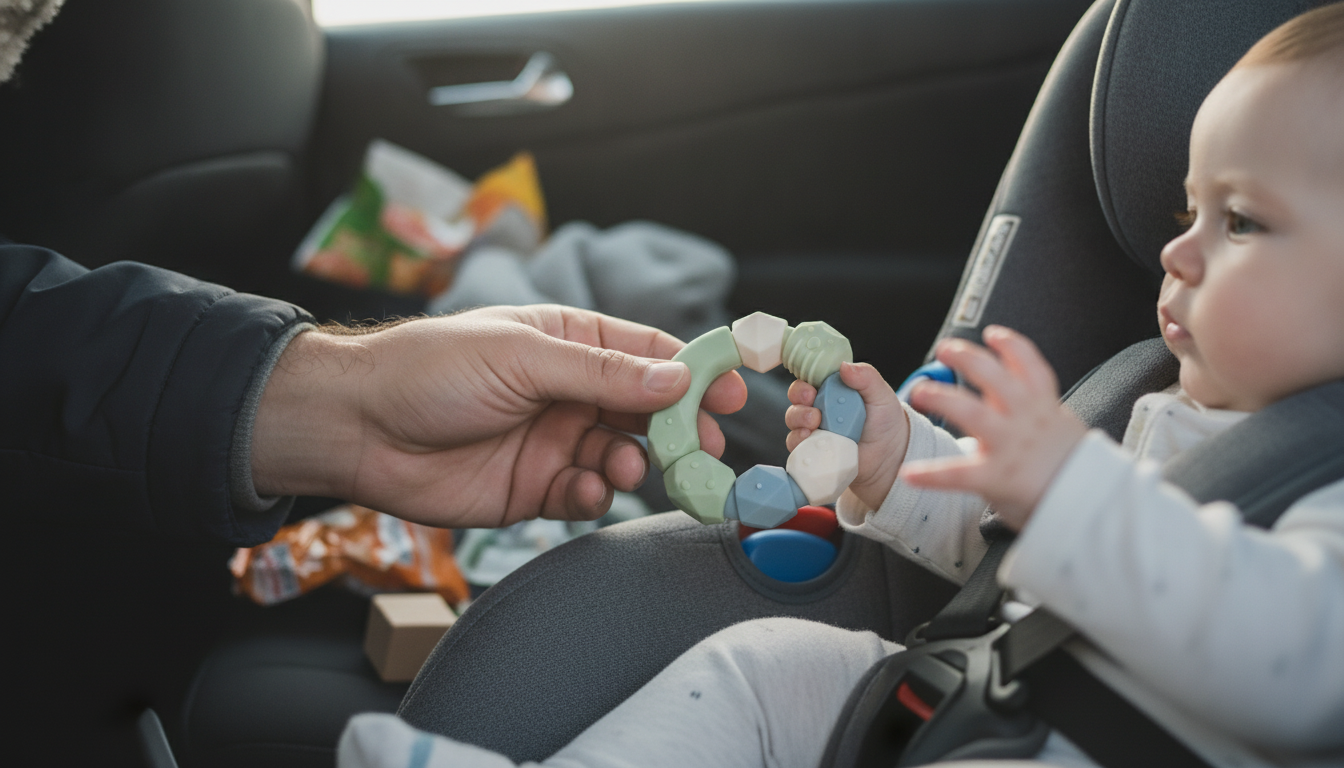
Are silicone teething toys safe for babies?
Silicone teething toys can be safe for babies when they’re made from high-quality, baby-safe silicone and used correctly. Many parents like silicone because it’s soft on sore gums, easy to grip, and less likely to splinter or crack compared to some hard materials. Safety, however, comes down to choosing the right product and keeping it clean and in good condition.
What makes a silicone teether “safe”?
Look for teethers made from food-grade or medical-grade silicone and labeled as free from BPA, PVC, and phthalates. A safe teether should be a single solid piece or have securely attached parts that can’t break off, with no sharp edges or peeling seams. It should also be appropriately sized so it can’t become a choking hazard.
How to use silicone teethers safely
Supervise babies during teething, especially if the toy is new or has multiple textures. Replace teethers that show tearing, deep bite marks, stickiness, cracking, or any changes in shape. Avoid tying teethers around a baby’s neck or using long cords; if using a clip, keep the strap short and follow safe-use guidance.
Cleaning and care matters
Even the safest teether needs routine cleaning because it frequently goes from floor to mouth. Many silicone teethers can be washed with warm soapy water, run through the dishwasher (top rack), or boiled for a short time if the manufacturer allows it. Always let it fully dry and store it in a clean, ventilated spot to help prevent odor and residue buildup.
For a deeper look at materials, cleaning methods, and what to avoid, visit this complete guide: baby silicone teether toy safety & cleaning guide.
For Silicone Teethers for Babies: Safety, Use & Cleaning, the best answer depends on fit, material, care instructions, and how the product will be used day to day.
FAQ
How often should you replace a silicone teether?
Replace it as soon as you notice tearing, deep bite grooves, cracking, stickiness, or any loose parts. If it looks worn or damaged, it’s safer to toss it and switch to a new one.










Leave a comment