RC Car Drifting Explained: Traction, Setup & Control
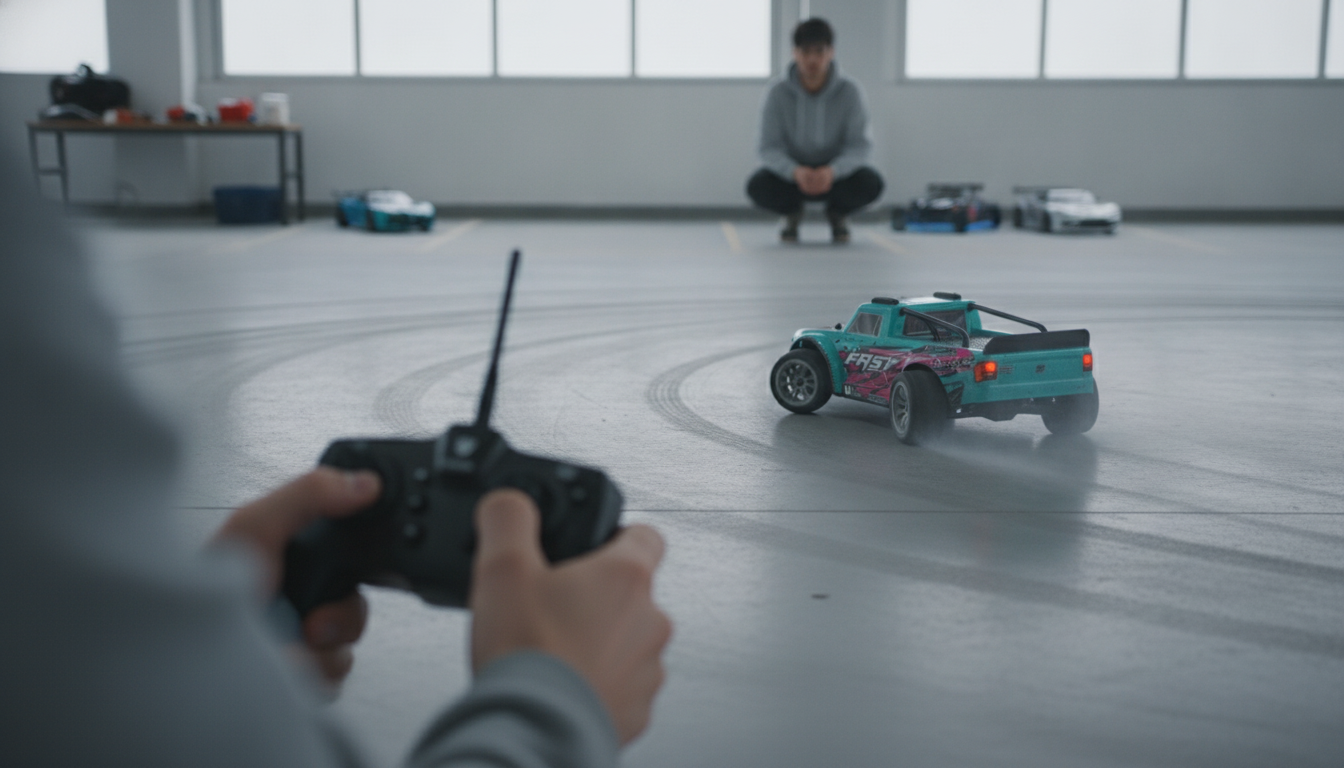
What makes a RC car drift?
An RC car drifts when it intentionally loses rear traction and slides through a turn while the front tires keep enough grip to steer. That slide happens because the balance of grip, power, weight, and steering angle favors the rear end breaking loose—then staying loose in a controlled way.
Tires and surface: the traction “recipe”
The biggest factor is tire grip. Hard plastic drift tires (or very hard rubber) reduce friction so the rear can step out easily, especially on smooth surfaces like polished concrete, sealed garage floors, or tile. Softer rubber on rough asphalt does the opposite: it increases grip and makes drifting harder because the tires “bite” instead of slide.
Power delivery and throttle control
Drifting needs enough wheel speed to overcome traction. When you squeeze the throttle, the rear tires spin faster than the surface can support, and the car starts to rotate. A responsive ESC and a motor with good punch help initiate the slide, while careful throttle inputs help hold the angle without spinning out.
Steering angle and front-end grip
Once the rear breaks loose, the front tires must still steer. More steering angle (common on drift setups) lets you countersteer to “catch” the slide and guide the car where you want it to go. Keeping the front end planted—through tires, alignment, and suspension setup—makes the drift look smoother and more predictable.
Weight balance, suspension, and chassis setup
How weight sits on the chassis changes how easily the rear lets go. A lighter rear, a stiffer rear setup, or less rear grip generally promotes drifting. Suspension tuning also matters: too much grip or body roll can make transitions sloppy, while a stable setup makes it easier to link corners and control the car’s yaw.
Drivetrain choice (2WD vs. AWD)
2WD drift cars (usually rear-wheel drive) tend to feel more like real drifting because the rear is the main driver of rotation. AWD drift setups can drift too, but they often rely on different techniques and tuning to keep the car sliding instead of “pulling” straight.
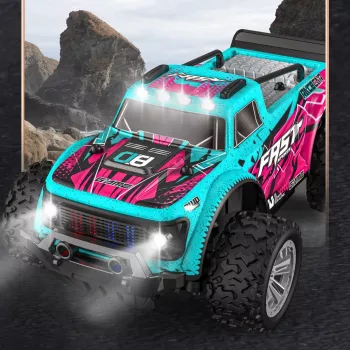
For a practical walkthrough on setting up a drift-ready truck, including lights and trail-style fun, see this 1/20 2WD RC drift truck guide.
FAQ
Do RC drift cars need special tires?
Yes—dedicated drift tires (often hard plastic or very hard compounds) make it dramatically easier to break traction and hold a smooth slide on consistent surfaces.








Leave a comment