Rarest Dinosaur Toys: Prototypes, Test Shots & Grails
What is the rarest dinosaur toy ever?
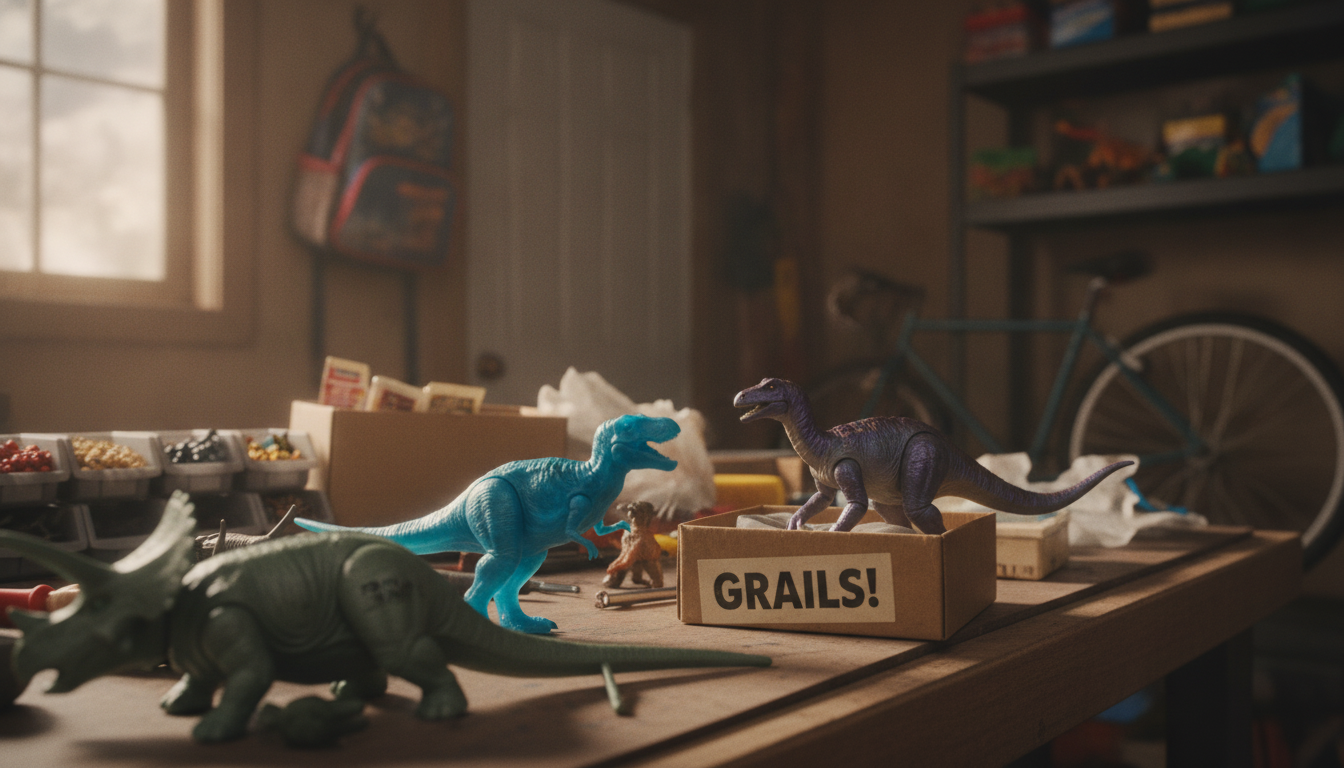
There isn’t one universally agreed-upon “rarest dinosaur toy ever,” because rarity depends on the niche (vintage figures, museum models, limited-run collectibles, or even prototype pieces), how many were made, and how many still exist in good condition. In most collector circles, the true “rarest” tends to be a pre-production prototype, a factory test shot, or a short-lived regional release that never reached wide retail shelves.
What usually qualifies as the rarest
The hardest-to-find dinosaur toys are often items that were never meant to be sold broadly. Think unpainted test figures, colorway experiments, or early sculpt samples used for approvals. These can be rarer than any retail release because only a handful may exist—and they often stay in private collections.
Notable contenders collectors often point to
Depending on the era, some commonly cited “holy grails” include obscure 1950s–1970s plastic dinosaur figures from small manufacturers, early museum gift-shop lines with limited distribution, and specific discontinued variants from major brands where packaging changes or short production windows created tiny surviving populations. Sometimes the box is the rare part: a fairly common figure can become exceptionally rare if its original packaging is scarce.
How to tell if a dinosaur toy is genuinely rare
Start with evidence: manufacturer marks, dates, catalog references, and verified sales records. Rarity isn’t just “hard to find online today”—it’s “few were produced or few survived.” Condition matters too; mint, intact paint, and complete packaging can turn a rare toy into a truly exceptional one.
If you’re shopping for kids rather than collectors
“Rarest” usually isn’t the goal for bath-time play. Durable, easy-to-clean toys are a smarter pick for everyday fun. For a practical guide to kid-friendly animal bath toys (including dinosaur options), visit this helpful bath toy guide.
FAQ
How can I tell if a dinosaur toy is a collectible or just a common figure?
Check for brand markings, production dates, and original packaging, then compare verified sold listings (not just asking prices). Unusual variants, short production runs, and documented prototypes are more likely to be collectible.








Leave a comment