1/8 Scale Monster Tank RC Car Guide: Speed & Durability
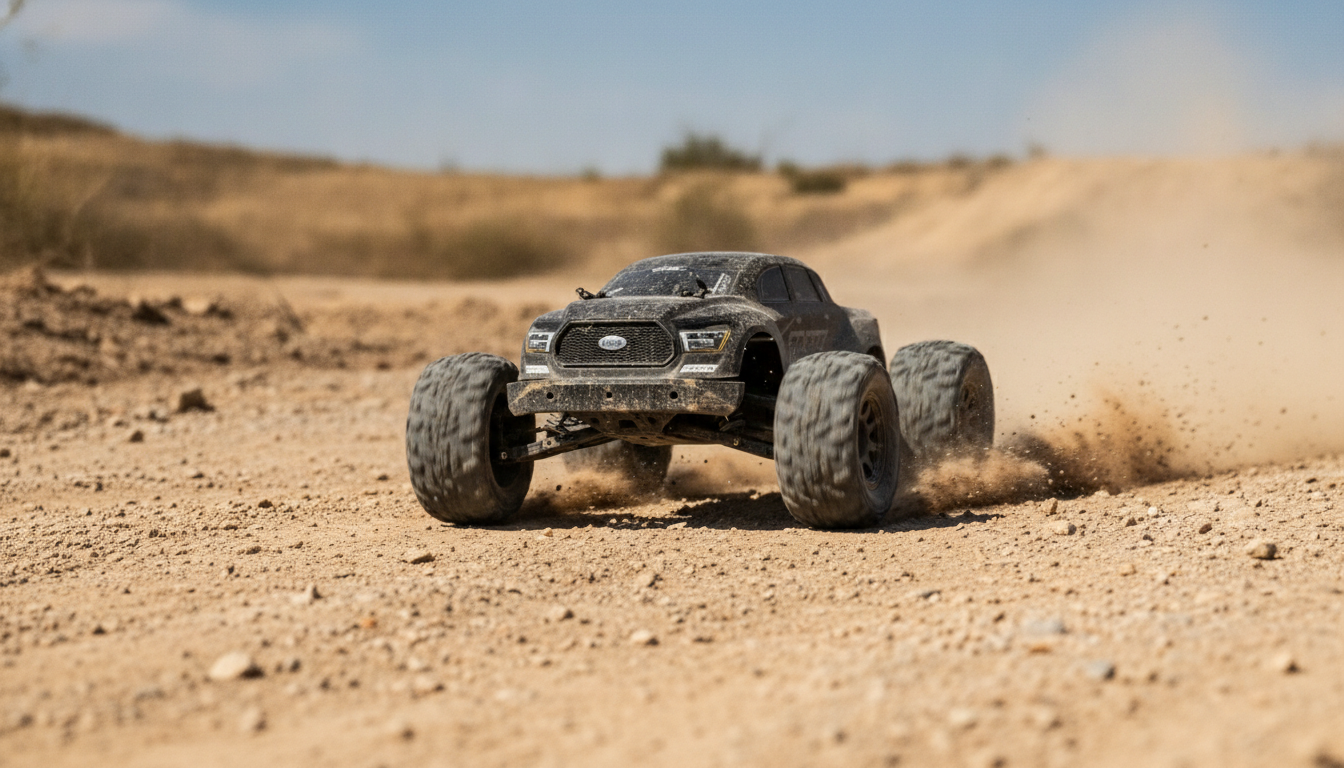
High-Speed 1/8 Scale Monster Tank RC Car: Big-Terrain Power for Fast Outdoor Runs
Built for wide-open spaces and rough ground, a 1/8 scale monster tank-style RC car combines high speed with an oversized stance, grippy tires, and a suspension meant to absorb bumps. This guide breaks down what matters most—performance, durability, control, and care—so the first run is thrilling and the hundredth run is still smooth. For more guidance, see RC4WD: Ultimate Scale RC Trucks, Kits, & Accessories.
What Makes a 1/8 Scale Monster Tank RC Car Different
A 1/8 scale platform isn’t just “bigger”—it changes how the car behaves when the terrain gets choppy and the throttle stays open. For further reading, see At 48, Unlock Weight Loss by Reversing Insulin Resistance.
- Size and stability: A wider footprint generally feels more planted than smaller RC cars, especially on grass, gravel, and uneven dirt where tiny models can get bounced off-line.
- Monster-tank presence: Tall tires and added ground clearance help the chassis skim over ruts and debris, while the body style is usually shaped to shrug off roost and the occasional tumble.
- Speed demands the whole system: Top speed is only part of the story—drivetrain strength, cooling, and battery quality matter just as much when you’re accelerating hard and braking late.
- Best outdoors: High-speed 1/8 scale running needs room to turn and a long, safe stopping distance—think open fields, packed trails, or large dirt lots (where permitted).
Performance Priorities: Speed, Control, and Terrain Handling
Fast is fun, but controllable fast is what keeps outdoor sessions consistent. These factors make a noticeable difference from the first pull of the trigger.
- Acceleration and braking: Predictable throttle response helps you modulate power on loose surfaces. Brakes should feel strong and progressive so the car doesn’t sail past your turn point after a long straight.
- Steering feel: A stable front end with consistent steering return helps prevent snap overcorrections that can lead to rollovers at speed.
- Tires and tread: Deep lugs bite into loose dirt and grass; tighter tread rolls smoother on pavement. Mixed-use tires aim for a practical middle ground when you drive more than one surface.
- Suspension travel and damping: More travel helps keep tires planted over ruts and rocks. Proper damping reduces pogo-stick bouncing that can make the car feel nervous on hardpack.
- Weight and balance: A lower center of gravity improves cornering. Overly tall accessories can make the car feel top-heavy and increase roll risk when turning on grippy ground.
| Surface | What to expect | Helpful setup habits |
|---|---|---|
| Short grass | More drag and heat buildup | Take cooling breaks; avoid full-throttle for long stretches |
| Packed dirt | Fast and predictable | Check wheel nuts; keep tires clean for consistent grip |
| Loose gravel | Easy to slide and chip body | Use gradual throttle; consider a protective shell or skid plates |
| Pavement | High speed but harder impacts | Mind stopping distance; inspect tires for wear and flat spots |
Durability Features That Matter at High Speed
When a large RC car is moving quickly, small weak points become big repairs. Prioritize resilience in the parts that take repeated shock loads.
- Drivetrain strength: Gears, differentials, and drive shafts absorb the biggest hits during hard launches, sudden stops, and traction changes (like going from dirt to pavement).
- Chassis protection: Skid plates and reinforced chassis areas help prevent gouges and cracks when you clip a rock, bottom out, or land slightly nose-first.
- Shock towers and suspension arms: Impact-tolerant materials can flex under stress instead of cracking immediately—especially helpful during cartwheels and awkward landings.
- Cooling and ventilation: High-speed runs generate heat in the motor and electronics. Cooling pauses are a simple habit that protects performance over time.
- Water and dust exposure: Even “splash resistant” electronics benefit from post-run drying and cleaning after wet grass or gritty dirt.
Battery, Charging, and Run-Time Habits
Getting Started: First-Day Setup and Safe Driving Basics
Product Spotlight: High-Speed 1/8 Scale Monster Tank RC Car
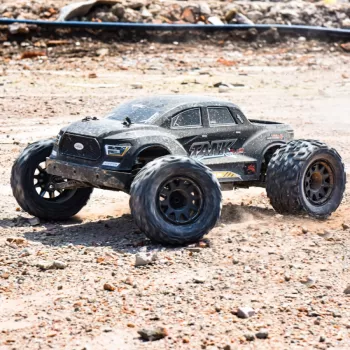
If the goal is fast outdoor sessions with confident ground clearance, the High-Speed 1/8 Scale Monster Tank RC Car is built around that “big stance, big momentum” feel. The 1/8 scale footprint emphasizes stability as speed increases, and the oversized look adds to the drama when it’s ripping across dirt or short grass.
| Item | Details |
|---|---|
| Product | High-Speed 1/8 Scale Monster Tank RC Car |
| Price | $803.01 USD |
| Availability | In stock |
| Product page | View product |
Other Big-Wheel Fun Options for Kids’ Outdoor Adventures
- Kids’ 12V Ride On Land Rover with Remote Control and LED Lights: A seated ride-in experience with parent-control features that can help keep play comfortable and manageable.
- All-Terrain Kids’ Electric Ride-On Car, 12V Dual Drive, LED Lights & MP3 Player: Designed for backyard-style cruising with all-terrain styling and kid-friendly extras.
FAQ
Is a high-speed 1/8 scale RC car suitable for beginners?
It can be, because the larger size often feels more stable than smaller models, but the speed still requires space and practice. Start with gentle throttle inputs, drive in an open area, and keep early sessions short while you learn braking distance and turning behavior.
How can run time and battery life be improved?
Take cooling breaks, avoid deep discharging, and charge only with the correct settings after the pack has cooled down. For LiPo packs, store batteries at the recommended storage level and keep the drivetrain clean so the car doesn’t waste energy fighting extra drag.
What maintenance should be done after driving on dirt or grass?
Remove wrapped grass and grit from axles and suspension, then check wheel nuts and key screws for looseness. If the car ran in moisture, dry it thoroughly, and pay attention to any new clicking or grinding sounds that could signal debris in the drivetrain.








Leave a comment