Soft Silicone Baby Teether: Safe Soothing Gum Relief
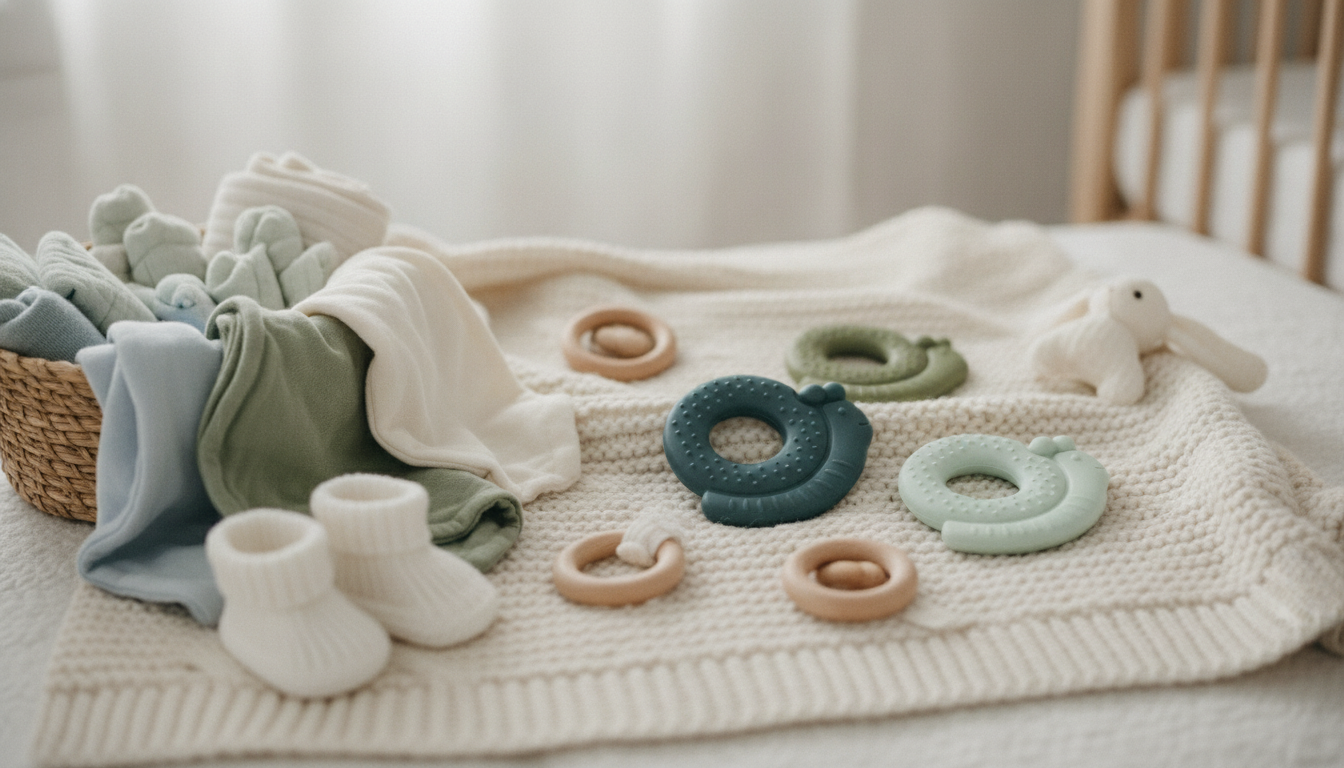
Soft Silicone Baby Teether for Gentle Gum Relief
Teething can bring sore gums, extra drool, and a strong urge to chew. A soft silicone teether offers a simple way to give babies something safe to mouth while supporting comfort and early sensory exploration. With an easy-to-hold shape and a flexible feel, a silicone teether can become a daily go-to—at home, in the stroller, or tucked into a diaper bag for quick relief on the move. For more guidance, see AiTuiTui Pull String Teething Toys Recalled Due to Risk of Serious ….
Why a Soft Silicone Teether Helps During Teething
When teeth begin to shift under the gums, many babies seek steady pressure from chewing. A soft silicone teether can help by offering a comfortable surface that’s made for mouthing. For further reading, see Chuya Baby Teether Toy Chew Toys for Babies 3-24 Months TV ….
- Provides a chewable surface that can ease gum discomfort through gentle pressure
- Soft silicone can be more comfortable on tender gums than hard plastic
- Encourages hand-to-mouth coordination and early grasping practice
- Textured chewing surfaces can keep babies engaged longer than smooth teethers
- Lightweight design can be easier for babies to hold independently
For a deeper look at what’s typical during teething (and what may warrant a pediatric call), see guidance from the American Academy of Pediatrics.
What to Look for in a Baby Teether
Not all teethers are built the same. A few quick checks can help narrow the options to something that’s comfortable, easy to maintain, and appropriate for frequent use.
- Material: food-grade silicone and clearly stated safety standards
- Construction: one-piece or secure construction to reduce breakage risks
- Size and shape: easy to grip, but too large to become a choking hazard
- Texture variety: ridges or bumps for different chewing preferences
- Easy cleaning: dishwasher-safe or simple hand-wash design
- No added scent or taste unless explicitly stated as baby-safe
Because any small accessory can become risky if it breaks or is used incorrectly, it’s also worth reviewing general prevention tips from the CDC choking hazards resource.
Soft Silicone Baby Teether at a Glance
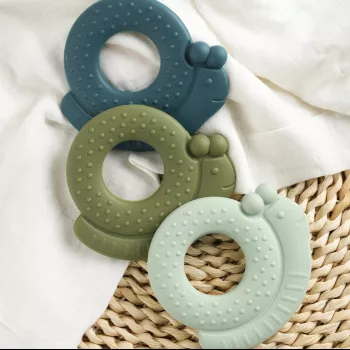
The Soft Silicone Baby Teether is designed for soothing chewing and everyday sensory play, with a soft, flexible feel intended to be gentle on gums. It’s a simple, budget-friendly option that can easily live in a diaper bag for on-the-go use.
Quick product details
| Item | Details |
|---|---|
| Product | Soft Silicone Baby Teether |
| Price | $6.17 USD |
| Availability | In stock |
| Best use | Chewing comfort, sensory exploration, teething support |
| Care basics | Wash before first use; clean regularly; inspect for wear |
How to Use a Teether Comfortably and Safely
A teether works best as part of a calm routine—offered when your baby is already looking for something to chew, and removed when it’s no longer being used safely.
- Wash before first use and after drops on public surfaces
- Offer the teether when early teething cues appear (chewing on hands, fussiness, drooling)
- Supervise chewing, especially if baby is sleepy or in a stroller seat
- Rotate with other soothing options (cool washcloth, gentle gum massage) to prevent overuse irritation
- Check regularly for damage; discard if torn, sticky, cracked, or misshapen
If you use teethers during travel, do a quick inspection every time you pick one up—especially if it’s been bouncing around the bottom of a bag, pressed against other items, or exposed to heat.
Cooling Tips and When to Avoid Them
Some babies respond well to cool pressure, while others prefer room temperature chewing. If cooling seems to help, keep it gentle.
- Cooling a silicone teether in the refrigerator can add soothing relief for some babies
- Avoid freezing unless the product specifically states it is freezer-safe; overly hard cold surfaces can be uncomfortable on gums
- Never use sweeteners, honey, or gels on teethers unless specifically directed by a pediatric clinician
- If baby has a rash around the mouth, wipe drool often and keep the teether clean to reduce irritation
For broader safety reminders on baby products, the U.S. Food & Drug Administration’s baby product safety guidance is a helpful reference.
Cleaning and Care Routine
Because teethers spend so much time in a baby’s mouth (and often on the floor), a consistent cleaning routine matters as much as the product itself.
- Daily wash with warm water and mild dish soap; rinse thoroughly
- Air-dry completely to reduce moisture buildup in storage containers
- If dishwasher-safe per product instructions, place on the top rack
- Store in a clean, ventilated container rather than an airtight bag while still damp
- Replace if the teether develops odor, discoloration, or surface breakdown
Choosing a Teether by Age and Stage
More In-Stock Picks for Growing Kids
- Soft Silicone Baby Teether for everyday chewing comfort and sensory play
- Girls Knit Sweater Dress with Heart Print & Ruffle Collar for a cozy, dressy option during cooler months
- Kids’ 12V Ride On Land Rover with Remote Control and LED Lights for big-kid outdoor play and special-occasion gifting
FAQ
How often should a baby teether be cleaned?
Wash it before first use, then clean it daily during frequent use and anytime it falls on dirty or public surfaces. Rinse thoroughly and let it fully air-dry before storing.
Can a silicone teether go in the refrigerator or freezer?
Refrigeration is a common option for gentle cooling and can feel soothing for some babies. Only freeze a teether if it’s specifically labeled freezer-safe, since overly hard cold surfaces can be uncomfortable on gums.
When should a teether be replaced?
Replace it if you notice tears, cracks, stickiness, thinning, discoloration, a persistent odor, or any change in shape or texture. If it looks worn or damaged in any way, discard it and use a new one.








Leave a comment