8-Month-Old Sippy Cup: Safe Drinks & What to Avoid
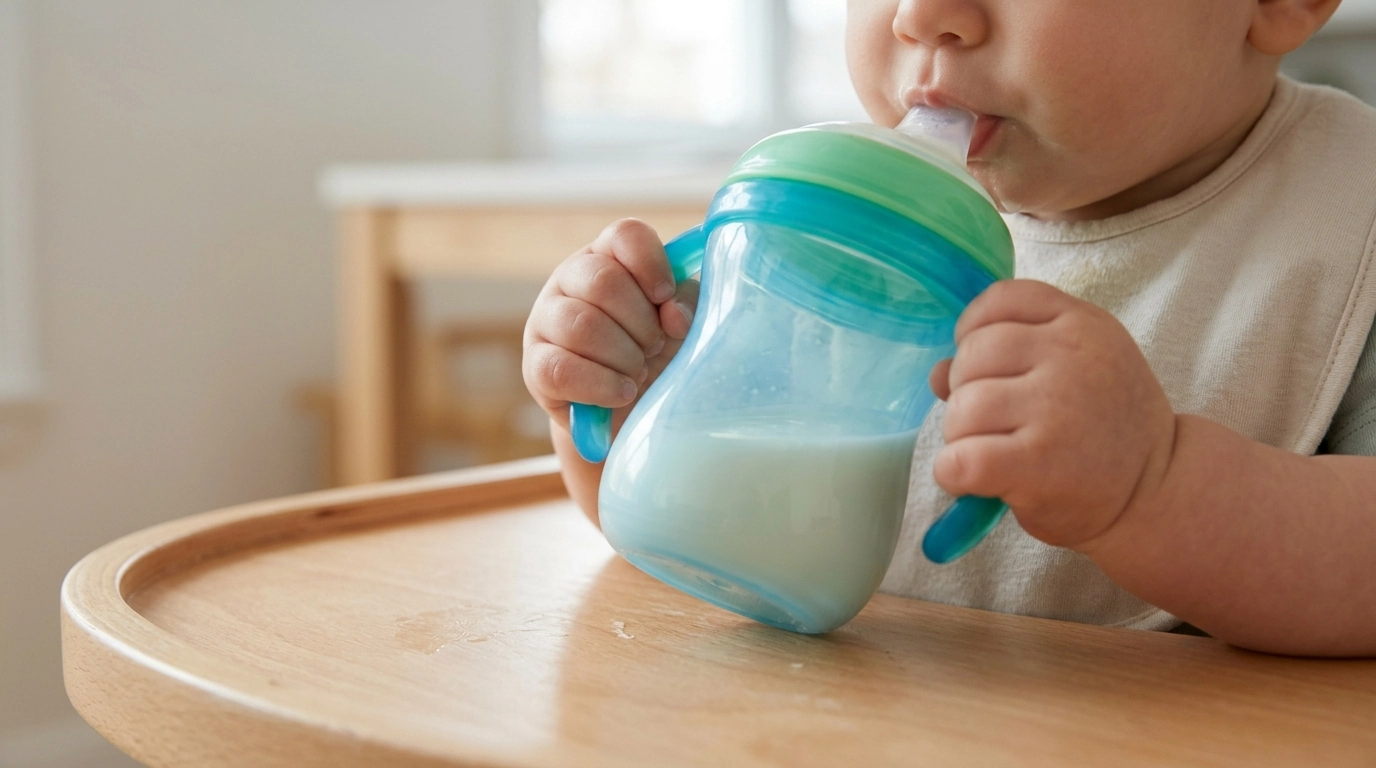
What can I put in my 8 month old sippy cup?
At 8 months old, the safest, most common option for a sippy cup is plain water in small amounts—especially with meals and snacks. Water helps your baby practice sipping without adding extra sugar or acidity that can irritate gums or cling to emerging teeth.
You can also use a sippy cup for breast milk or prepared formula if your pediatrician is okay with it and you’re using it as a transition tool (not as a “sip all day” habit). If you offer milk or formula in a cup, keep it to mealtimes and clean the cup promptly, since milk residue can build up quickly.
If your baby is already drinking from an open cup with help, you can still use a handled sippy as an in-between step. Many families find that a lightweight, easy-to-grip cup makes practice sessions smoother and less messy. For tips on choosing a baby-friendly cup style and features like handles and silicone components, see this guide: silicone sippy cup with handles guide.
What to avoid putting in the sippy cup
Skip juice (even 100% fruit juice) for regular sippy cup use, since frequent sipping bathes teeth in sugar and acid. Avoid soda, sweet tea, flavored milk, sports drinks, and anything caffeinated. Also avoid adding honey to drinks before age 1 due to botulism risk.
Simple safety and hygiene tips
Offer only what your baby can finish within a reasonable time, then rinse and wash the cup. Use warm, soapy water and clean any valves, straws, or spouts thoroughly to prevent buildup. If a cup has multiple parts, disassemble it after each use.
If your baby has reflux, sensitive digestion, or you’re unsure about beverages beyond water and milk/formula, check with your pediatrician for personalized guidance.
FAQ
How do I clean a sippy cup to prevent mold?
Take the cup apart completely after each use, including valves, spouts, and any silicone seals, then wash with hot soapy water. Let every piece dry fully before reassembling, since trapped moisture is what encourages mold.









Leave a comment