Calm Toddler Bedtime Routine: Easy Steps for Better Sleep
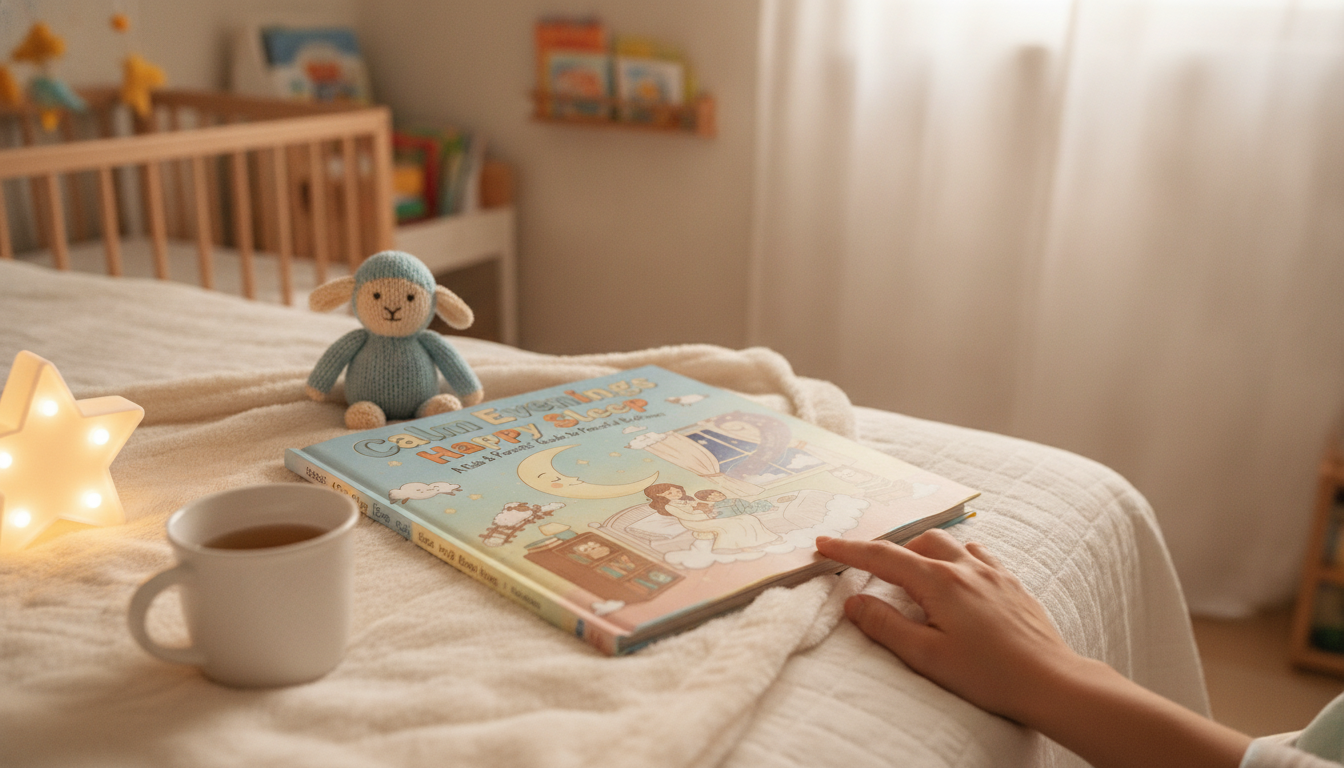
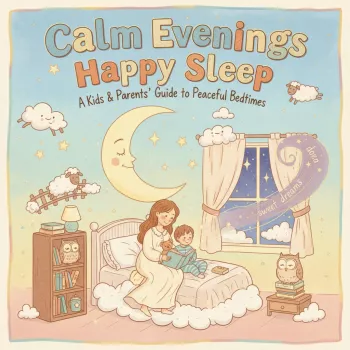
Calm Evenings, Happy Sleep: A Toddler Bedtime Guide for Parents
Evenings with a toddler can swing from sweet to stressful in minutes—especially when tiredness, big feelings, and boundary-testing collide. A predictable, calming routine helps toddlers feel secure, lowers bedtime resistance, and supports more consistent sleep for the whole family. Below are practical steps to calm a toddler before bed, from the last 90 minutes of the day to connection tools and gentle limits that hold.
Why toddlers fight bedtime (and why it’s not “bad behavior”)
Toddlers aren’t trying to “win” bedtime; they’re often showing stress, fatigue, or a need for reassurance.
- Overtiredness can look like energy. Hyperactivity, goofiness, and sudden bursts of running can be a sign your toddler has passed their “sleepy window,” making settling harder.
- Separation worries rise at night. Requests for water, extra hugs, or “one more story” are often bids for comfort when the house gets quiet.
- Bedtime is a control hotspot. Toddlers practice independence with “No pajamas!” or “Different cup!” because bedtime is predictable—and therefore a safe place to test limits.
- Developmental leaps can disrupt sleep. New language, imagination, and awareness can lead to stalling, new fears, and more nighttime wake-ups.
For toddler sleep duration guidelines by age, the CDC’s sleep recommendations are a helpful reference point.
Set the stage: timing, light, and the last 90 minutes
The most effective calming strategies start before anyone is upset. Aim to protect a consistent “wind-down window” so your toddler’s body has time to shift from active to sleepy.
- Pick a realistic bedtime and keep it steady. A consistent start time (plus/minus 15 minutes) helps the body anticipate sleep.
- Dim lights after dinner. Lower, warmer lighting cues nighttime; bright overhead light can keep little brains alert.
- Swap stimulation for calm. In the final hour, avoid exciting screens, roughhousing, and chase games. Choose books, puzzles, or quiet pretend play.
- Front-load snacks and drinks. Offer a predictable snack and water before teeth brushing so “I’m hungry” doesn’t become a repeat exit strategy.
- Adjust naps gently if needed. If naps are pushing bedtime too late, reduce nap length or shift it earlier in small steps rather than skipping naps abruptly.
Sample 60–90 minute wind-down plan
| Time before bed | What to do | Why it helps |
|---|---|---|
| 90–60 min | Bath or warm washcloth routine, pajamas | Warmth + repetition cue the body to slow down |
| 60–30 min | Quiet play (puzzles, coloring) or a simple family tidy-up | Shifts energy from “go” to “slow” without power struggles |
| 30–15 min | Teeth, potty/diaper, choose stuffed animal/blanket | Prevents repeated trips out of bed |
| 15–0 min | Two short books, cuddle, same goodnight phrase | Connection + predictability reduces bedtime anxiety |
A calming routine that actually sticks (simple, repeatable, firm)
A bedtime routine works best when it’s short enough to repeat every night and firm enough to signal a clear endpoint.
- Keep it to 4–6 steps. Many families do best with a 20–40 minute routine that doesn’t leave room for endless add-ons.
- Use the same order nightly. Example: bath → pajamas → teeth → books → cuddle → lights out.
- Offer limited choices that don’t extend time. “Blue pajamas or green?” “One book or two?” Choices reduce power struggles while keeping you in charge of the schedule.
- Create a “closing script.” Repeat one short phrase every night: “It’s sleep time. You’re safe. I’ll see you in the morning.”
- When stalling starts, don’t negotiate. Calm repetition works better than new explanations, which often add fuel to bedtime debates.
If you want a structured routine you can follow step by step, Calm Evenings Happy Sleep – Toddler Bedtime Guide for Parents | Best Way to Calm Toddler Before Bed is designed to keep responses consistent across caregivers.
Connection first: calming the nervous system before lights out
Toddlers settle faster when their “connection cup” is full. A small dose of focused attention can reduce clinginess, stalling, and tears.
For family-friendly sleep habit tips, the American Academy of Pediatrics sleep guidance is a reliable place to start.
Handling common bedtime battles without escalating
When sleep struggles continue: quick checks that make a big difference
And if your toddler has lots of pent-up energy late in the day, consider channeling big movement earlier (after daycare, before dinner) so the evening can stay calm. Some families like active toys for daytime play—like the High-Speed 1/8 Scale Monster Tank RC Car—while keeping the last hour screen-free and low-key.
A ready-to-follow plan for calmer evenings
For a structured routine that’s easy to follow nightly, visit Calm Evenings Happy Sleep – Toddler Bedtime Guide for Parents | Best Way to Calm Toddler Before Bed. And for cozy after-bath warmth before stories, a soft layer can help some kids settle—like the Girls Knit Sweater Dress with Heart Print & Ruffle Collar on cooler evenings.
For additional practical sleep-settling ideas, the NHS guidance on helping children get to sleep offers straightforward tips that pair well with a consistent routine.
FAQ
What is the best way to calm a toddler before bed?
Use predictability and connection: dim lights, calm activities, a short routine with limited choices, and a consistent closing phrase. Add 5–10 minutes of focused attention plus a simple regulation tool like a breathing game or gentle pressure hugs if your child enjoys them.
How long should a toddler bedtime routine be?
Most families do well with 20–40 minutes and 4–6 repeatable steps. Longer routines can invite stalling, so keep the order consistent and adjust only enough to fit your child’s temperament.
What should be avoided right before bedtime?
Avoid exciting screens, rough play, bright lights, sugary snacks close to bed, and long negotiations. Swap in a warm bath or wash-up, quiet play, books, and a steady schedule to help the body wind down.









Leave a comment