10pcs Baby Safety Cabinet Locks: Install, Use & Tips
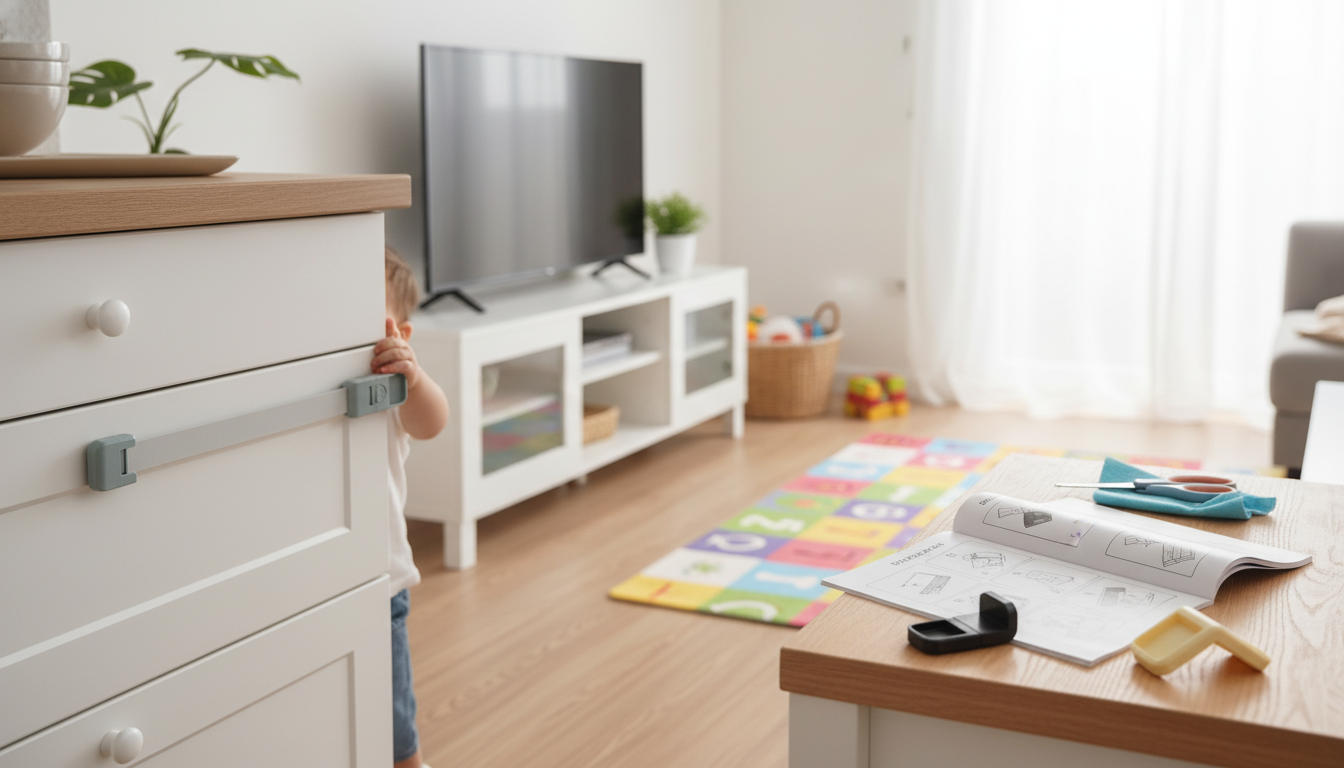
10pcs Baby Safety Cabinet Locks for Safer Kitchens, Bathrooms, and Storage Areas
Cabinets and drawers are often within easy reach for crawling babies and curious toddlers. A reliable set of cabinet locks helps limit access to cleaning supplies, sharp tools, breakables, and other hazards while keeping everyday storage convenient for adults. If you’re working through a whole-home childproofing checklist, a 10-pack makes it easier to secure the most child-accessible areas without mixing different lock types or juggling mismatched hardware.
What Cabinet Locks Help Prevent
Cabinet and drawer locks are a simple barrier that can reduce common at-home risks during the “open everything” stage. They’re especially helpful in lower cabinets and frequently used drawers where tempting items tend to live.
- Access to household cleaners, detergents, medicines, and small choking hazards stored in lower cabinets
- Pinched fingers from slamming drawers and cabinet doors
- Broken glass and heavy items tipping from opened doors
- Unsupervised access to pet food, trash bins, and recycling pull-outs
For broader home-safety guidance, the American Academy of Pediatrics and the U.S. Consumer Product Safety Commission both offer practical checklists that pair well with cabinet locking.
Where to Use a 10-Pack of Cabinet Locks
A 10-pack is a sweet spot for most homes because it covers the “top priority” cabinets first—then leaves a few extras for trouble spots you notice later.
- Kitchen: under-sink cabinet, pantry doors, utensil drawers, and trash pull-outs
- Bathroom: under-sink cabinet, medication storage, hair tool drawers (after cooling and unplugging)
- Laundry area: detergent cabinets and hampers that store pods or chemicals
- Living areas: media console doors, sideboards, and craft cabinets
- Bedroom/nursery: dresser drawers holding creams, nail tools, or small accessories
Product Snapshot: 10pcs Baby Safety Cabinet Locks
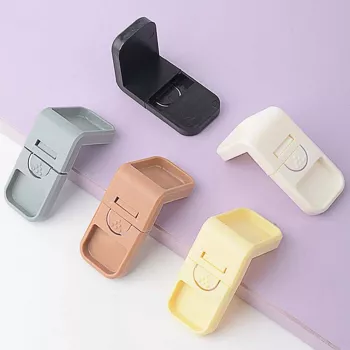
If you want one consistent solution across multiple rooms, 10pcs Baby Safety Cabinet Locks are designed to slow down toddler access while staying practical for daily adult use. A multi-pack helps you keep placement and operation consistent so caregivers can open and re-secure storage quickly.
- Pack size supports multi-room childproofing without mixing different lock types
- Designed to reduce quick access for toddlers while remaining practical for daily adult use
- Best used as part of a broader safety setup (safe storage, supervision, and hazard reduction)
Quick checklist before installing cabinet locks
| Cabinet/drawer type | Surface considerations | Placement tip | Common mistake to avoid |
|---|---|---|---|
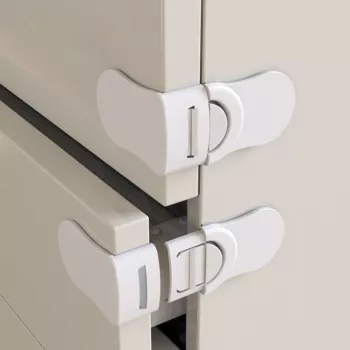
| Double doors (kitchen/bath) | Clean, dry finish; avoid dusty or oily areas | Align lock so doors meet evenly before securing | Mounting while doors are slightly misaligned |
| Drawers | Check for recessed faces or rounded edges | Place where the release is harder for small hands to reach | Placing too low so a toddler can leverage it |
| Under-sink cabinets | Humidity and cleaning splashes are common | Install higher on the door when possible and wipe dry regularly | Assuming a lock replaces safe chemical storage |
| Furniture cabinets (media console/sideboard) | Varying materials (laminate, wood, veneer) | Test placement so adults can open with one hand | Skipping a test fit and blocking hinges or handles |
Installation and Setup Tips for Better Holding Power
Even the best lock performs better with careful setup. A few extra minutes during installation can help reduce shifting, misalignment, and day-to-day frustration.
- Prep the surface: remove dust and residue; let it fully dry before attaching.
- Plan the position: do a quick test alignment so doors close flush and the latch engages smoothly.
- Press firmly during attachment: apply steady pressure and avoid stressing the lock immediately after installation.
- Re-check after 24–48 hours: after normal use, retighten/reposition if any shifting is noticed.
- Use consistent placement across rooms: it builds muscle memory for adults and helps in rushed moments.
Daily Use: Keeping It Secure Without Making Life Hard
Cabinet locks work best when the whole household uses them the same way—every time. Consistency matters because toddlers learn patterns quickly, and adults can accidentally leave a cabinet unsecured when distracted.
- Keep “high-risk” items (chemicals, medicines, sharp tools) locked and also stored up high when possible.
- Create a routine: always relock immediately after accessing the cabinet.
- Teach adults in the home the same open/close method to reduce accidental breakage.
- Inspect regularly for loosening, cracked parts, or weakened adhesion—especially in humid rooms.
If you’re updating a child’s space at the same time, a cozy outfit like the Girls Knit Sweater Dress with Heart Print & Ruffle Collar is an easy add-on while you’re already refreshing nursery and bedroom essentials.
When Cabinet Locks Aren’t Enough
Locks are one layer of protection, not a substitute for safe storage. If you’re still noticing risky access points, a few adjustments can make the entire setup more effective.
- If a toddler can still reach hazards after opening a different cabinet, reorganize storage to reduce temptation and access.
- For heavy or dangerous contents, add secondary measures (higher shelving, bins with lids, or moving chemicals out of reach).
- If cabinets are damaged or misaligned, repair hardware first so locks can engage consistently.
- For renters or delicate finishes, test on an inconspicuous area and follow manufacturer guidance to avoid surface damage.
Troubleshooting Common Issues
FAQ
Do cabinet locks damage cabinets when removed?
It depends on the cabinet finish and how the lock is attached. Test a small, hidden area first and follow the removal directions slowly to reduce residue or finish lift.
How many cabinet locks are needed for an average home?
A practical estimate is 4–8 for a kitchen, 2–4 for bathrooms, and 1–2 for a laundry area. A 10-pack often covers the most child-accessible storage first, then leaves a few for problem spots.
Should hazardous products still be stored up high if cabinets are locked?
Yes—locks are a layer of protection, not the only safeguard. Store chemicals and medicines out of reach and locked when possible, keeping items in original packaging and using child-resistant caps where applicable.








Leave a comment