Non-Toxic Plastic Drinking Cups: What to Look For
82% off on product page · save $29.63
Non-Toxic Plastic Drinking Cups: What to Look For
Are non-toxic plastic drinking cups available?
Yes, you can find plastic drinking cups made without BPA, but “non-toxic” is not a blanket guarantee that every plastic cup is suitable for every child or every use. For a toddler, we recommend choosing a cup intended for food contact and the child’s age, then following its instructions for hot liquids, dishwashing, and replacement.

What should you look for in a plastic cup?
Look for a clearly identified food-contact material and a BPA-free claim if avoiding BPA is important to you; if the material is unclear, you can ask what the cup and each removable part are made from. Our team also suggests choosing a size and shape your child can handle comfortably, since a cup that is easy to grip may be more useful at mealtimes than one selected by material alone.

Featured in this guide
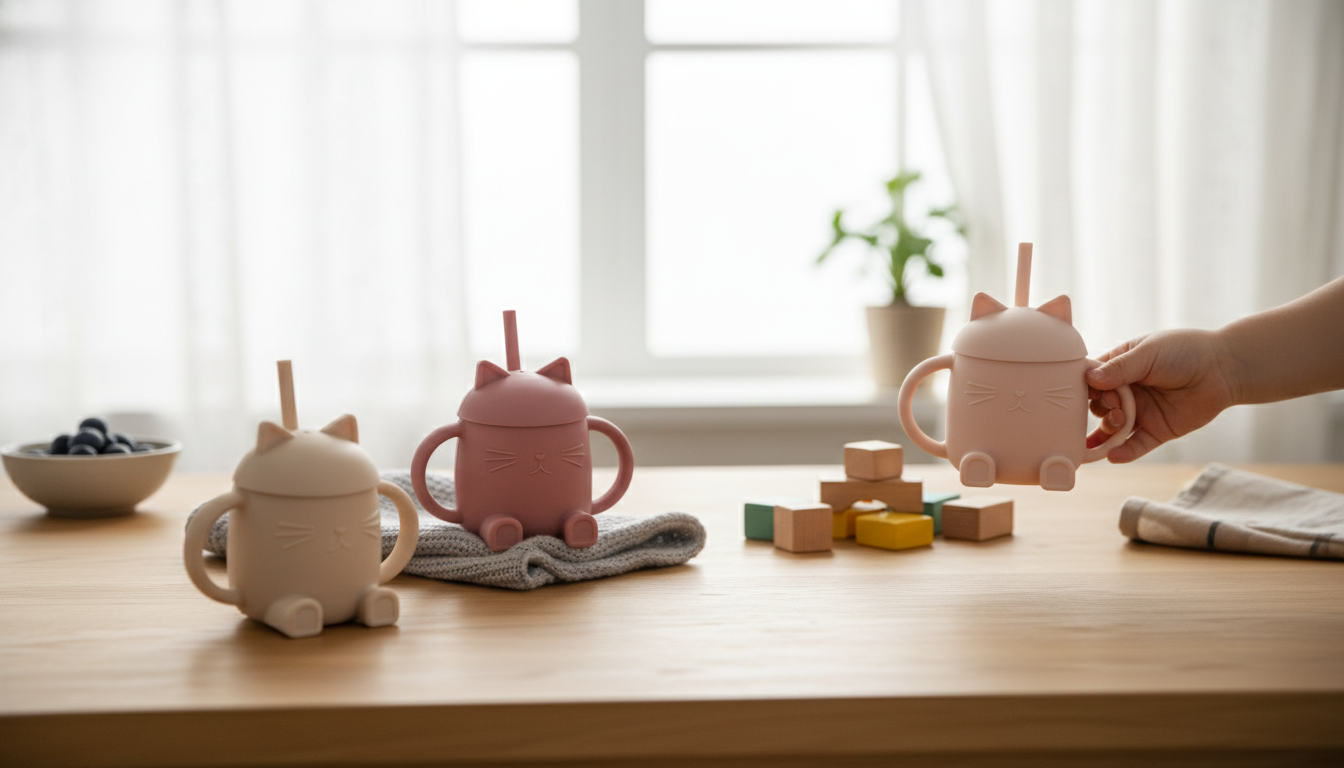
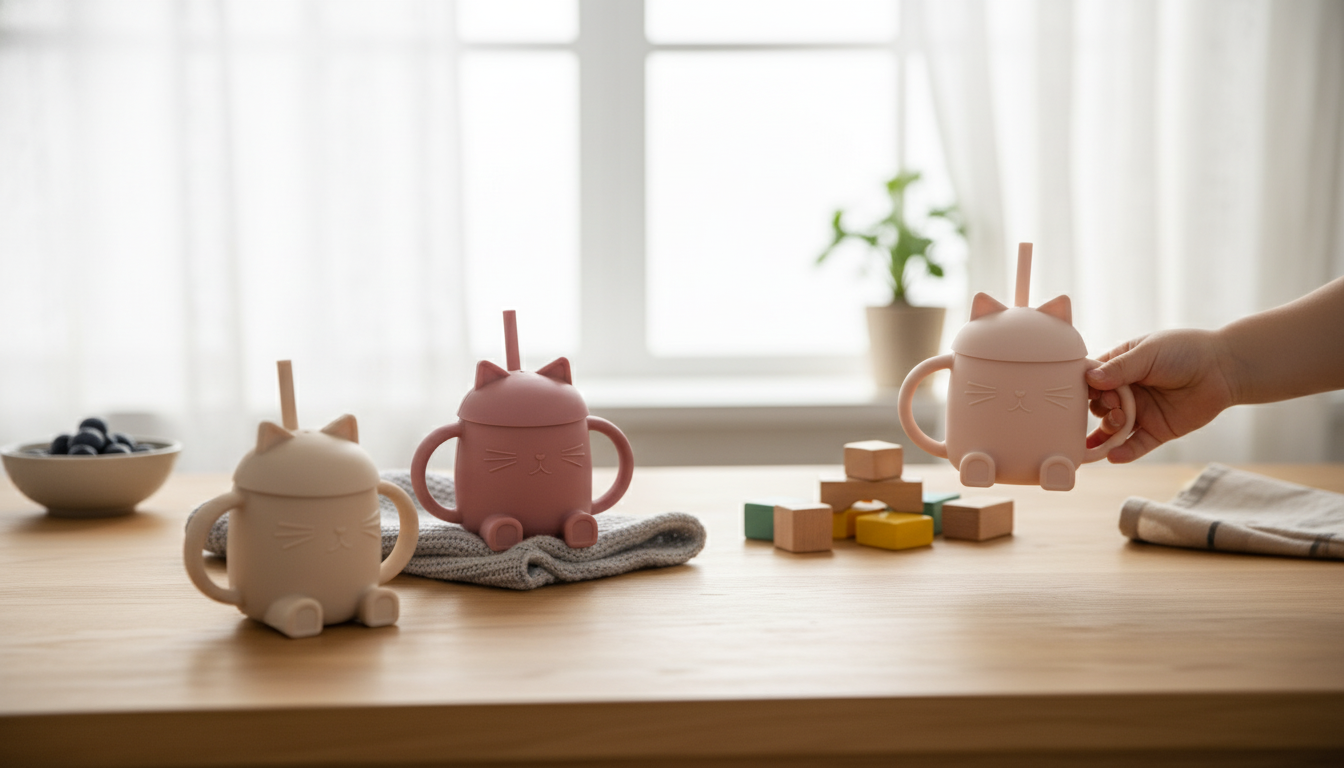
Baby Silicone Cat Lid Sippy Cup with Handles – BPA Free Toddler Drinking Cup
How does plastic compare with other materials?
Plastic is lightweight, while stainless steel is another durable option and silicone offers a flexible feel; none of these materials makes every cup equally suited to every family. If you prefer to avoid plastic altogether, compare cups by the material of the drinking surface as well as the body, lid, spout, and any other parts that touch the drink.
How can you use and care for a cup safely?
Wash a new cup before use, clean all drink-contact parts after use, and let them dry thoroughly before putting the cup away. Follow the maker’s directions rather than assuming a cup is microwave- or dishwasher-safe, and replace it if you notice cracks, rough edges, or parts that no longer fit securely.
Where does our featured cup fit in?
Our Baby Silicone Cat Lid Sippy Cup with Handles – BPA Free Toddler Drinking Cup is a toddler drinking-cup option if you are looking for a handled design. Its name identifies a silicone cat lid and a BPA-free claim, but it does not establish that every part is plastic, so we would not describe it as an all-plastic cup.
FAQ
What is the safest plastic cup to drink from?
There is no single safest plastic cup for everyone; choose one made for food contact and appropriate for the drinker’s age and intended use. Use it within the maker’s temperature and cleaning directions, and stop using it if it becomes damaged.
What is the healthiest material for drinking cups?
No one material is the healthiest choice in every situation: food-contact plastic, stainless steel, and silicone each have different handling and care considerations. Choose a cup you can clean thoroughly and use as directed, with a drinking design that fits your child’s stage.
See if Baby Silicone Cat Lid Sippy Cup with Handles – BPA Free Toddler Drinking Cup fits your setup






Leave a comment