How to Help Your Toddler Drink More Water, Without Pressure
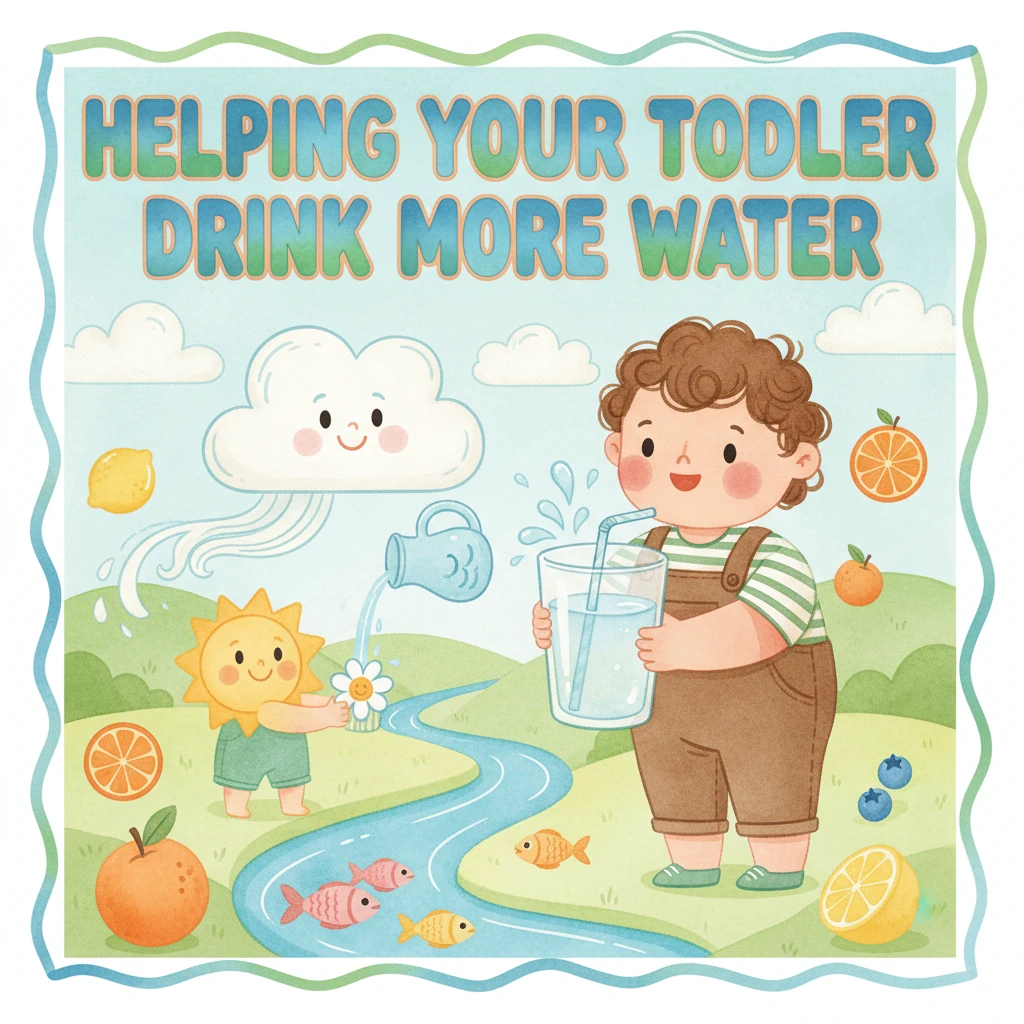
How to Help Your Toddler Drink More Water, Without Pressure
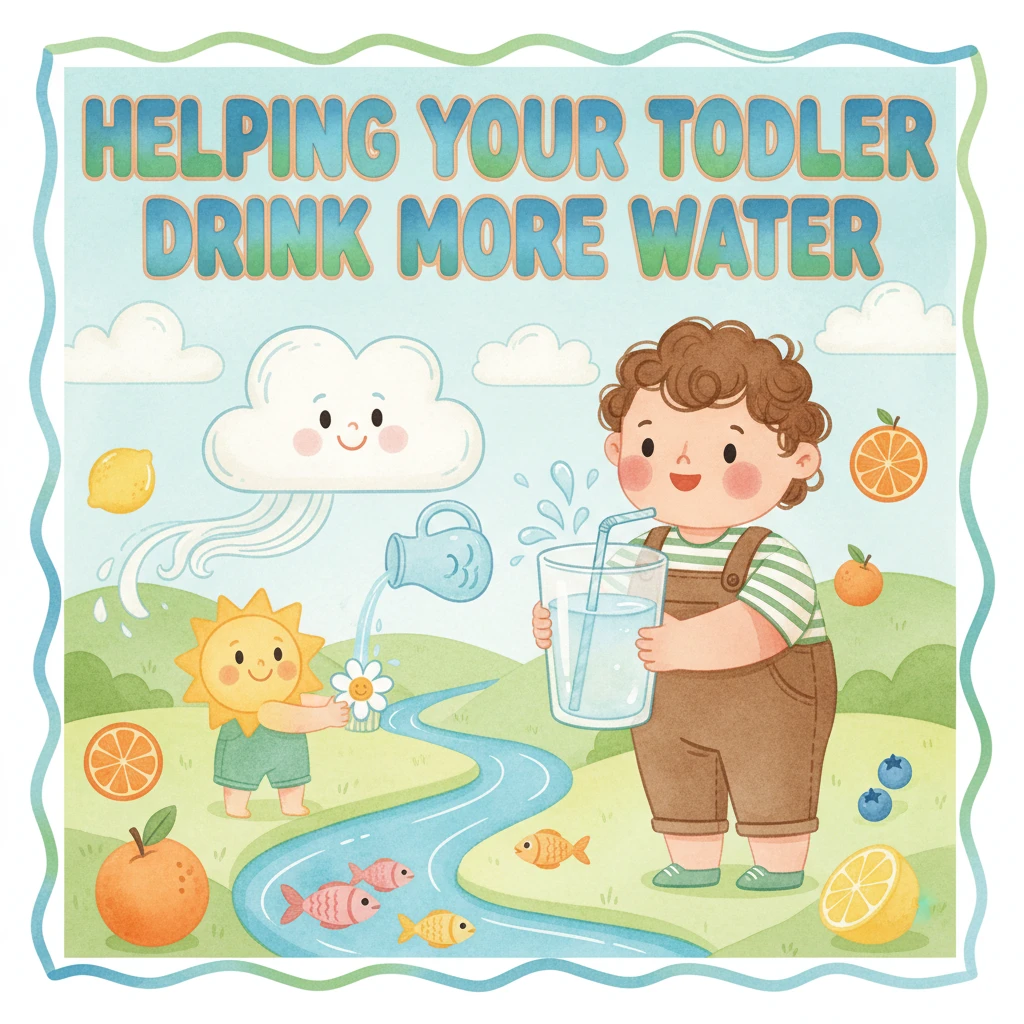
Start with small, predictable offers
Try offering water when your toddler wakes up, with meals and snacks, after active play, and when you come indoors on a warm day. These moments are easy to remember, and they give your child repeated chances to drink without constant reminders.
When practical, keep a familiar, easy-to-handle cup within reach. Offer a few sips rather than asking your toddler to finish a full cup. If they take one sip and return to playing, you can simply offer water again at the next usual time.
One cup does not tell the whole story of your toddler’s hydration. Milk and water-rich foods, including fruit, contribute fluids too. Plain water is still a useful everyday drink, but you do not need to judge the entire day by how much is left in a single cup.
Give choices without bargaining
Try asking, “Would you like the blue cup or the green cup?” Both answers keep water available while giving your toddler a say. You can model the habit by pouring yourself a glass and taking a break together.
If you want help building a low-pressure routine, our Helping Your Toddler Drink More Water (Without the Struggle) parent’s guide is an option to consider. Choose it if you would find a guide useful for planning everyday offers; it is not a substitute for advice tailored to your child by a pediatrician.
Featured in this guide
Helping Your Toddler Drink More Water (Without the Struggle) | A Parent’s Guide on How to Get Toddler to Drink More Water
A routine that leaves room for your child
Use familiar moments as prompts, not a required schedule or drinking target:
- After waking: Offer a small cup with breakfast.
- At snacks: Put water alongside the food and let your toddler sip at their own pace.
- After active play: Pause for a drink together.
- With dinner: Offer their usual cup without focusing on whether they empty it.
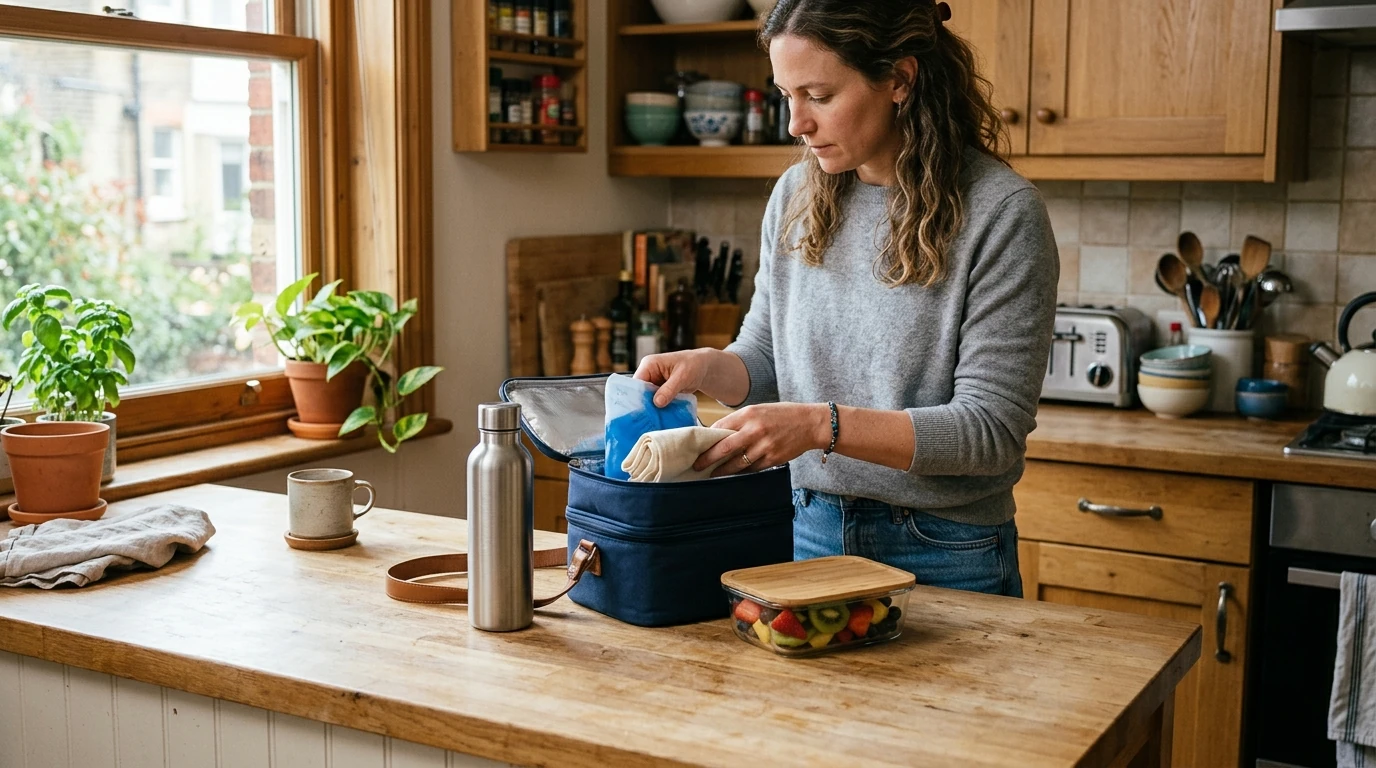
For a family outing, pack water and make time for a break after play. If you are also choosing an outfit, our Girls Knit Sweater Dress with Heart Print & Ruffle Collar is a separate option; what your child wears does not change the drinking routine.
When water is refused
If your toddler resists, try changing one detail at a time: the cup, the water temperature, or when you offer it. Keeping the rest of the routine familiar helps you notice what works for your child.
If your toddler usually asks for sweet drinks, work toward making water the usual drink between meals without pressuring them to finish it. Ask your pediatrician about a persistent drinking pattern, especially if it affects eating.
Check the product’s listed specifications when evaluating when water is refused.
Know when to ask for help
Contact your child’s healthcare professional if they are drinking much less than usual or you are worried about dehydration. Seek prompt medical advice if you notice unusually few wet diapers or bathroom trips, a very dry mouth, no tears when crying, or unusual sleepiness.
Heat and illness can change a child’s fluid needs. Follow guidance specific to your toddler rather than relying on a fixed amount or an everyday routine when something seems wrong.
Check the product’s listed specifications when evaluating know when to ask for help.
Before choosing, compare the product details with your daily routine, available space, care needs, and preferred setup. The strongest option is usually the one that fits the intended use clearly and remains simple to clean, store, and check before repeat use.
It is also worth checking measurements, material notes, included parts, and compatibility details so the item matches the way it will be used after delivery.
Before choosing, compare the product details with your daily routine, available space, care needs, and preferred setup. The strongest option is usually the one that fits the intended use clearly and remains simple to clean, store, and check before repeat use.
FAQ
What is the 3-3-3 rule for toddlers?
There is no single standard “3-3-3 rule” for toddler hydration. If someone has suggested one to you, ask what it refers to rather than using it to decide how much your child should drink.
What is the hardest toddler age to parent?
There is no one hardest age for every family. Changes in independence, communication, and routines can make different stages challenging, including when you are trying to establish a new drinking habit.
See if Helping Your Toddler Drink More Water (Without the Struggle) | A Parent’s Guide on How to Get Toddler to Drink More Water fits your setup






Leave a comment