Silicone Toddler Cups: Safety Tips, Materials & Cleaning
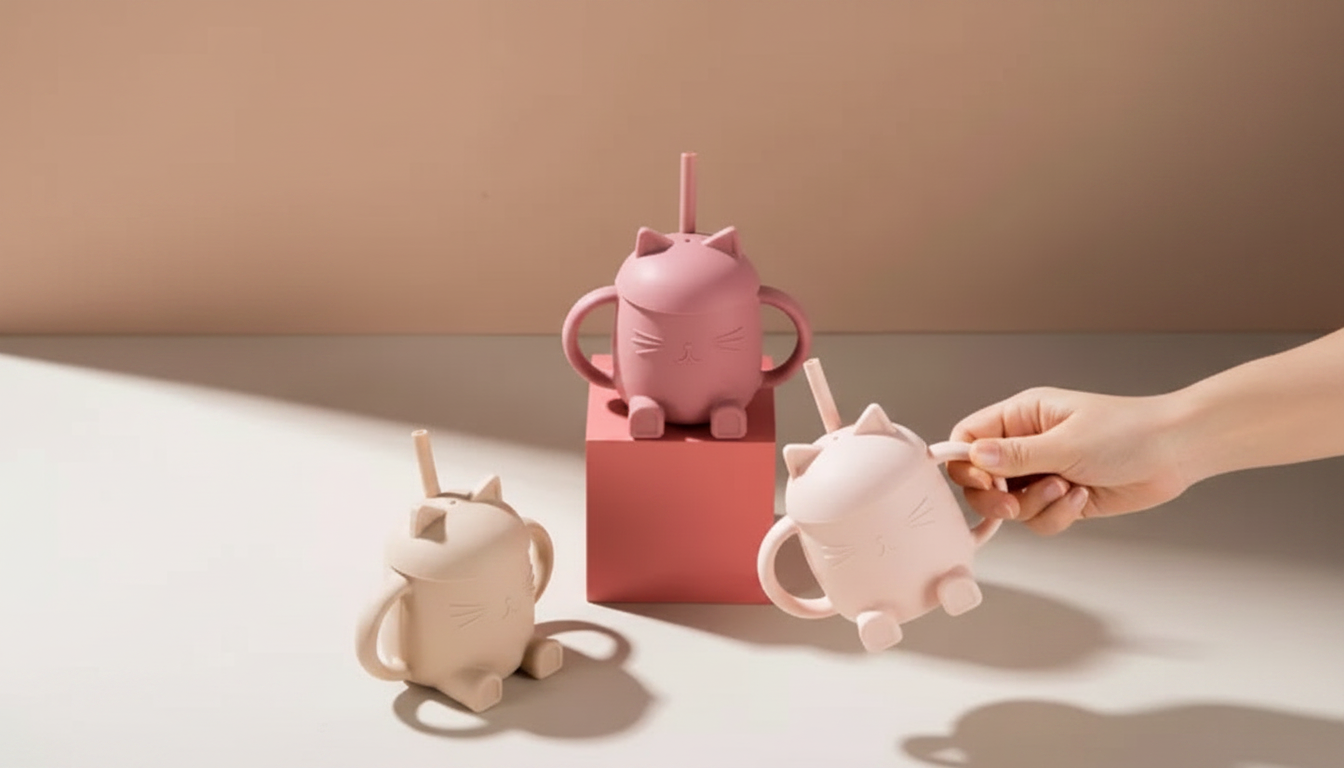
Are silicone cups safe for toddlers?
Silicone cups can be safe for toddlers when they’re made from food-grade (platinum-cured) silicone and used as intended. Many parents choose silicone because it’s lightweight, soft on gums, and less likely to crack or chip compared to hard plastic or glass. Safety, however, depends on the material quality, the design of the cup, and how it’s cleaned and inspected over time.
What makes a silicone toddler cup “safe”?
Start with the silicone itself. Look for cups labeled food-grade, BPA-free, and free from common plastic additives (such as BPS and phthalates). Reputable brands also provide compliance details for U.S. safety standards and disclose testing for heavy metals in pigments. Avoid very strong chemical odors or oily residue—those can be signs of lower-quality materials or manufacturing leftovers.
Design features that matter for toddlers
A well-designed cup reduces choking and spill risks. Prefer a lid and spout that fit securely, with no small detachable parts that could come loose. For sippy cups, a valve or spout should be firmly seated and difficult for a toddler to pull out. Handles can help toddlers grip the cup and reduce drops, but check that the handle attachment points don’t create gaps that trap grime.
Heat, cleaning, and daily use
Most quality silicone is heat-resistant, but safety improves when you follow the care instructions. If the manufacturer allows it, dishwasher cleaning and occasional sterilizing can help keep the cup sanitary. Replace the cup if you notice tearing, cracks, swelling, sticky surfaces, or a lingering odor after washing. Also avoid using silicone with sharp utensils or letting toddlers chew aggressively on damaged spouts.
Choosing a toddler-friendly option
If you’re comparing features like lids, handles, and materials, see this guide for a closer look at a silicone sippy cup style and what to check before buying: https://babyjoyboutique.com/guide-silicone-cat-lid-sippy-cup-with-handles-bpa-free-toddler/.
FAQ
How do you clean silicone cups for toddlers?
Wash with hot water and mild dish soap, rinsing thoroughly. If the product allows it, run it through the dishwasher or sterilize occasionally, and dry completely to prevent odors.









Leave a comment