Tubeless Breast Pumps: Wearable and Manual Options
76% off on product page · save $637.98
Tubeless Breast Pumps: Wearable and Manual Options

Yes, Tubeless Breast Pumps Are Available
Some breast pumps operate without external tubing, including certain wearable electric pumps that fit inside a bra and manual pumps that you operate by hand. A tubeless design can mean fewer separate pieces to manage, but you will still need to assemble, empty, and clean the parts that collect milk.

Choose Between Wearable and Manual Designs
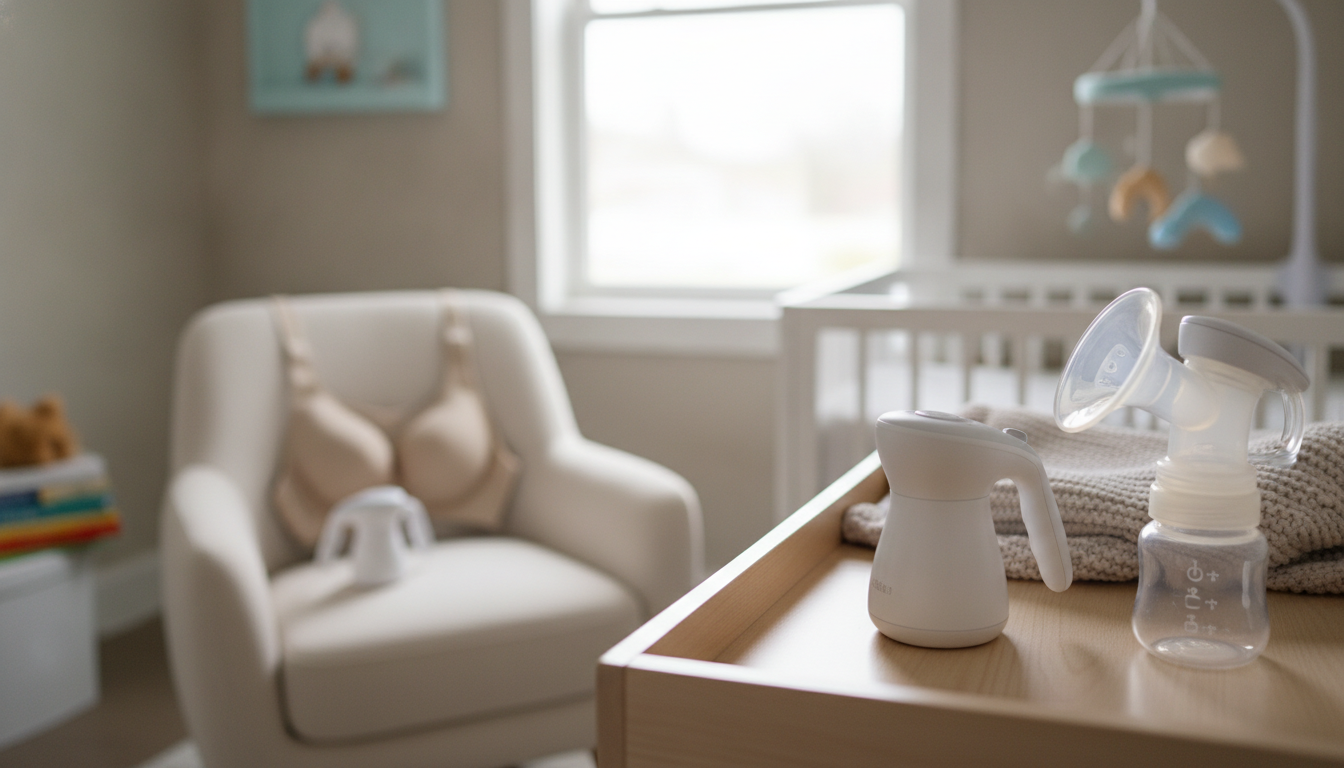
A wearable tubeless pump usually combines its motor and milk-collection components in a compact unit, while a manual pump uses a hand-operated lever or handle instead of an electric motor. You might prefer a wearable option when you want your hands free, whereas a manual pump may suit occasional use when you are comfortable operating it yourself.
Featured in this guide
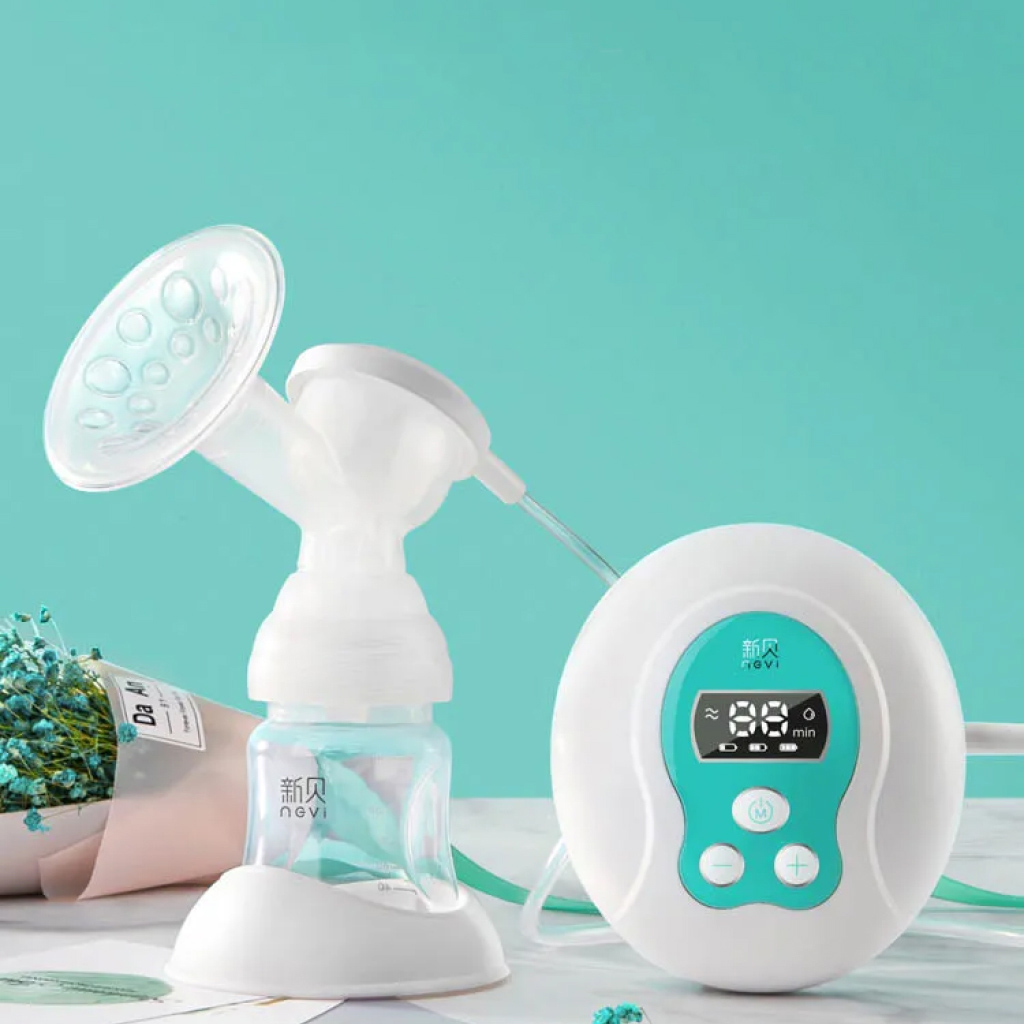
USB Breast Pump for Postpartum Women
Consider Fit and Your Pumping Routine
For comfortable, effective pumping, choose a flange or insert size that allows your nipple to move freely in the tunnel without excessive rubbing or a large amount of surrounding tissue being pulled in. Wearable pumps also need a supportive bra and correct positioning, so consider whether you can check alignment and maintain suction while going about your usual activities.
Plan for Cleaning and Milk Storage
After each use, take apart the components that contact breast milk and wash them according to the pump manufacturer’s instructions; let them air-dry completely on a clean surface before reassembly. Transfer expressed milk to a clean storage container, label it with the date, and follow current breast milk storage guidance for refrigeration or freezing.
Explore Our Postpartum Pumping Guide
Our team features the USB Breast Pump for Postpartum Women in our guide to using a USB breast pump in your postpartum routine. USB power and a tubeless design are different features, so you should confirm whether any pump uses tubing before choosing it for that reason.
FAQ
Can I go 4 hours without pumping at night?
Some people can go four hours between nighttime pumping sessions, but the right interval depends on your baby’s feeding needs, your milk supply, and how established your supply is. If you are exclusively pumping, have supply concerns, or feel uncomfortably full, ask a lactation consultant or your healthcare professional for a schedule suited to you.
Do I need to replace breast pump tubing?
If your pump uses tubing, replace it when it is damaged or when the manufacturer recommends replacement. If milk or moisture gets inside, follow the manufacturer’s instructions for cleaning or replacing it, and replace tubing that has mold.
See if USB Breast Pump for Postpartum Women fits your setup









Leave a comment