Do Rotating Car Seats Take Up More Space? Fit Guide
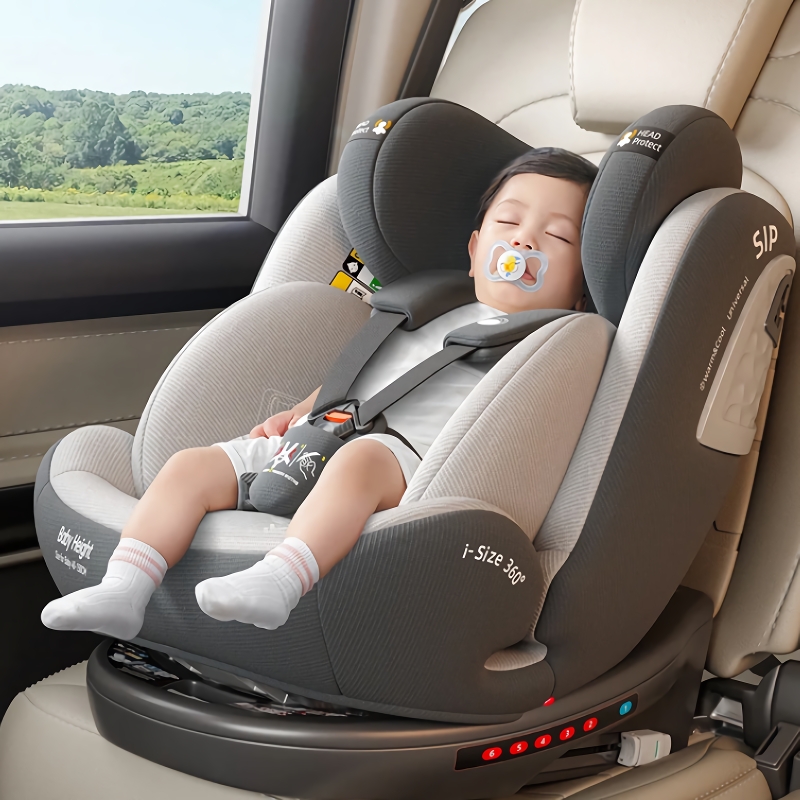
35% off on product page · save $388.00
Do Rotating Car Seats Take Up More Space? Fit Guide

Why a rotating seat may need more room
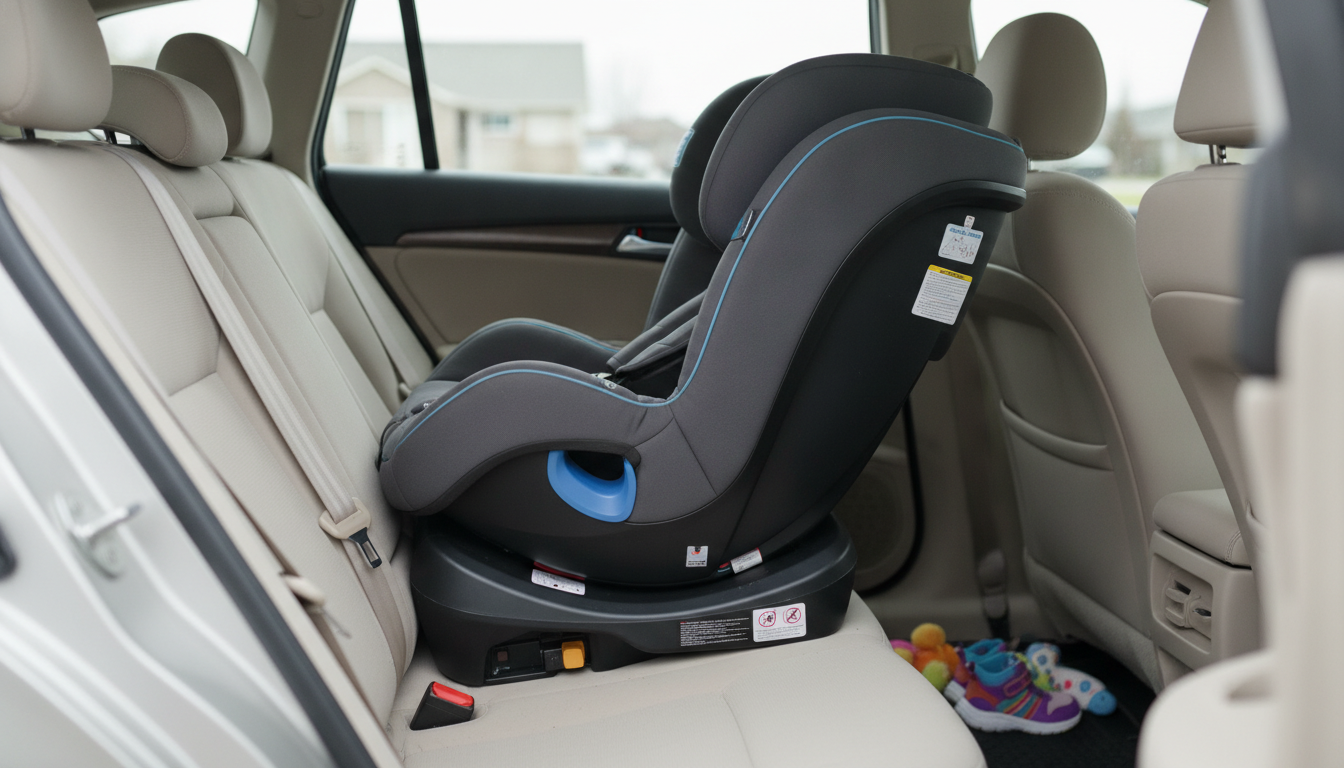
A rotating seat has a base and a turning mechanism, which can make its shape or footprint different from that of a conventional seat; however, not every rotating model is larger than every non-rotating model. The space required can also change as the seat turns, so a seat that fits facing forward or rearward may have less clearance when positioned toward the door.
Check the product’s listed specifications when evaluating why a rotating seat may need more room.
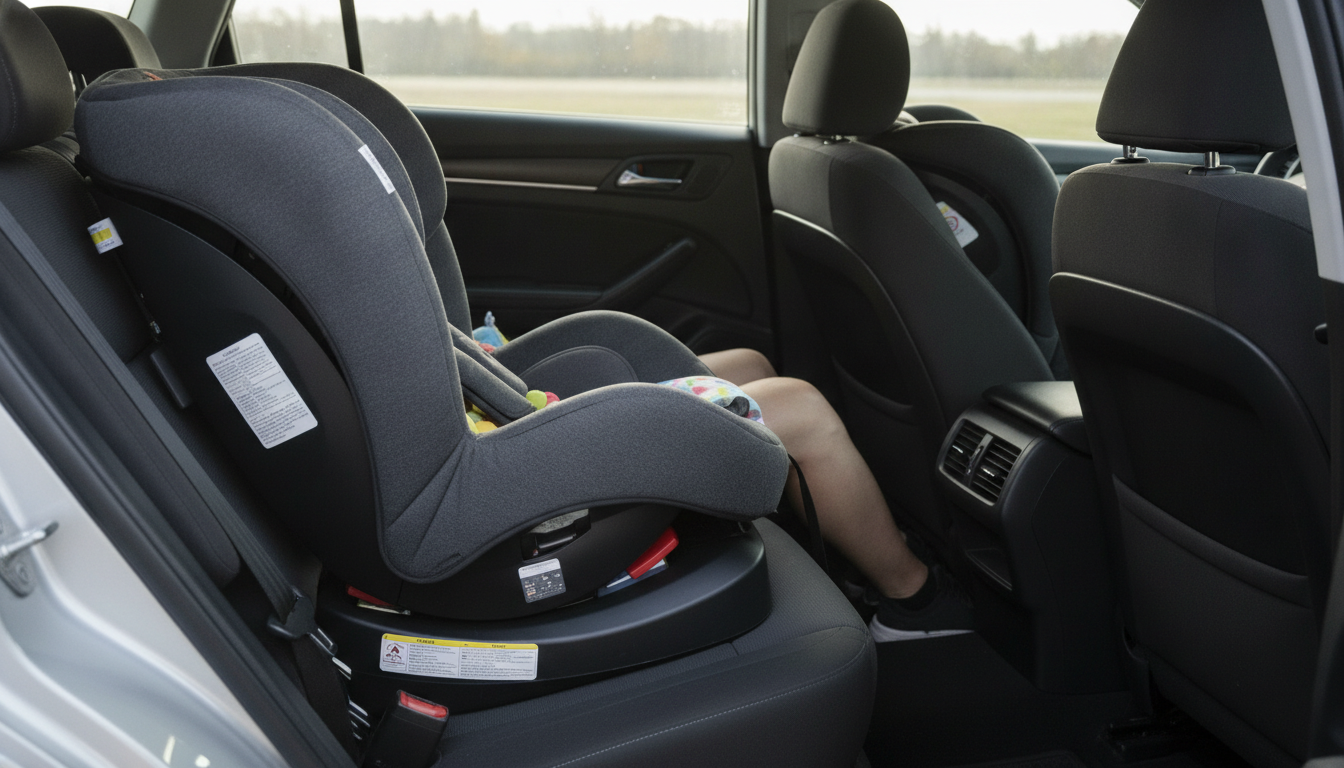
Consider front-to-back and side clearance
In a smaller vehicle, a rear-facing seat may limit how far the front passenger seat can move back, while a narrow back seat can make it harder to accommodate other passengers or car seats alongside it. Door openings, armrests, and the shape of the vehicle seat can also affect how easily you can turn the car seat and place your child in it.
Check the product’s listed specifications when evaluating consider front-to-back and side clearance.
Featured in this guide
360° Rotatable Child Safety Car Seat
How to assess the fit
Compare the car seat’s dimensions with your available back-seat space, then review both the car seat instructions and your vehicle owner’s manual for installation requirements and permitted seating positions. If you can try the seat in your vehicle before committing, make sure it installs securely, has room to rotate as intended, and leaves the front seats in safe, usable positions.
Choosing a seat for your vehicle
Our guide to what to check in a rotatable child safety car seat can help you think through the practical details as you consider our 360° Rotatable Child Safety Car Seat. We recommend prioritizing a correct installation and a fit that works for your family’s everyday trips rather than assuming that either a rotating or a conventional design will always save space.
FAQ
Do rotating car seats take up more room?
Some do, although the amount of room varies by model and vehicle. Consider the installed footprint, front-to-back clearance, and space needed to turn the seat before deciding whether it works for you.
See if 360° Rotatable Child Safety Car Seat fits your setup








Leave a comment