How to Create a Flexible Baby Nap Schedule

20% off on product page · save $3.00
How to Create a Flexible Baby Nap Schedule

Start with your baby’s cues
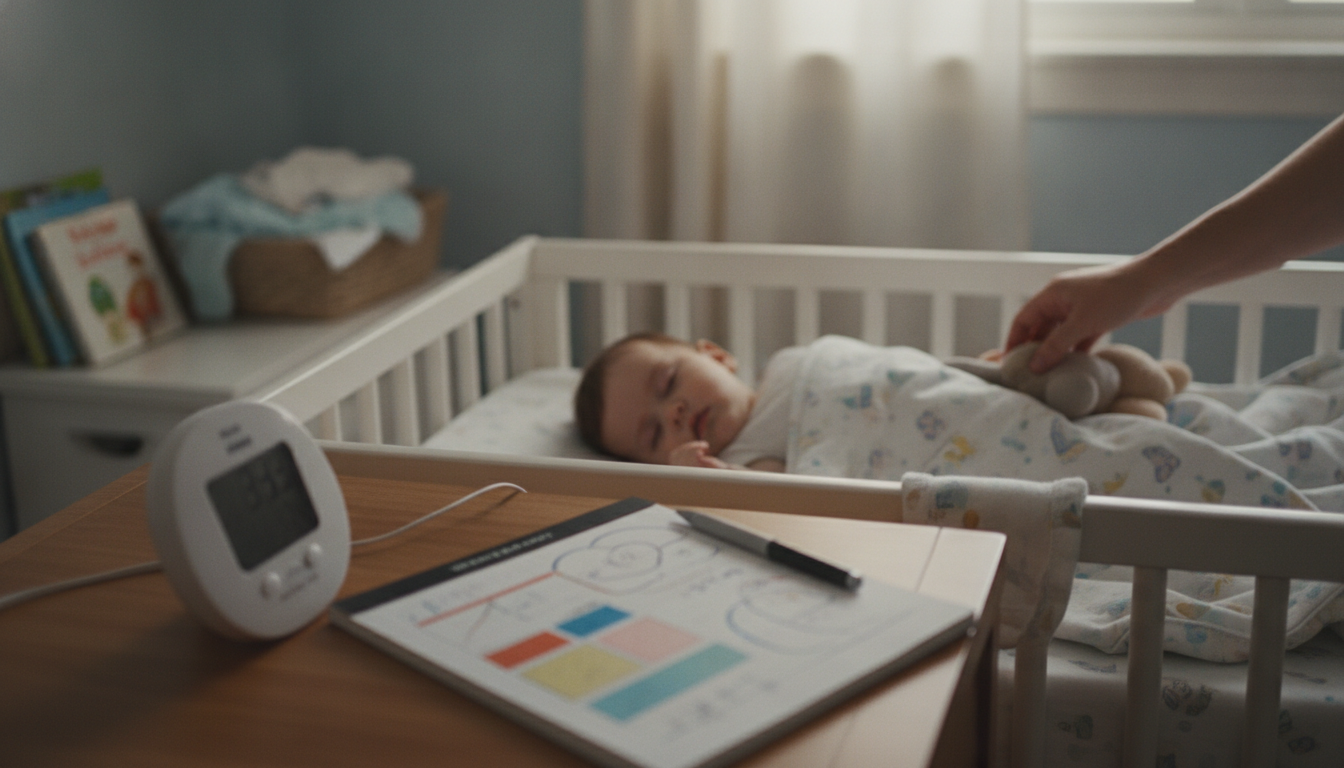
To create a nap schedule, begin by observing when your baby naturally gets sleepy over several days, noting wake-up times, naps, and signs such as yawning or looking away. Use those patterns as a starting point rather than expecting every nap to happen at the same time, especially with a newborn whose sleep is spread throughout the day and night.
Build a flexible daily rhythm
Choose a reasonably consistent morning wake-up time, then plan naps around your baby’s usual periods of alertness, offering a nap when you notice sleepy cues rather than waiting until your baby is overtired. Younger babies generally need more frequent naps, while older babies gradually spend longer awake and may take fewer naps, so adjust the rhythm as your baby grows.
Check the product’s listed specifications when evaluating build a flexible daily rhythm.
Featured in this guide
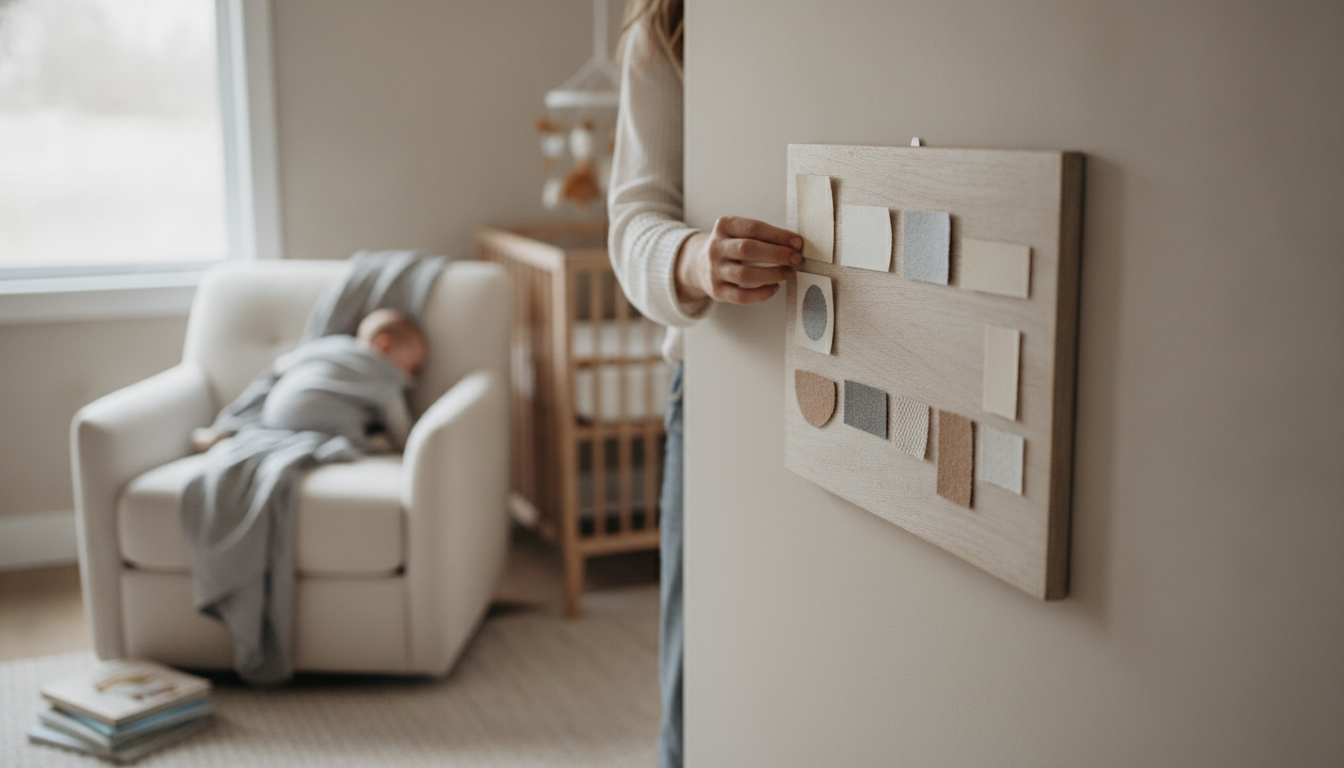
How to Build a Baby Nap Schedule | The Best Way to Set Nap Schedule for Baby | Digital Download eBook for Parents
Make naps easier to recognize
Create a short, repeatable wind-down routine, such as changing your baby’s diaper, dimming the room, and quietly cuddling before placing your baby down. For every nap, place your baby on their back on a firm, flat sleep surface in a crib, bassinet, or play yard that meets safety standards, with no loose blankets, pillows, toys, or other soft items.
Check the product’s listed specifications when evaluating make naps easier to recognize.
Adjust as your baby’s needs change
If naps are consistently difficult or bedtime becomes unusually late, try shifting a nap slightly earlier or later and observe how your baby responds over the next few days. Travel, illness, and developmental changes can temporarily disrupt the routine, so we recommend keeping the familiar wind-down steps while allowing room for flexibility and asking your pediatrician about persistent sleep or feeding concerns.
Check the product’s listed specifications when evaluating adjust as your baby’s needs change.
Keep a simple record
Write down when your baby wakes, falls asleep, and wakes from each nap; after a few days, look for a pattern you can use to plan the next day without treating the clock as a strict rule. For more help organizing your approach, explore our digital parenting guide, How to Build a Baby Nap Schedule.
See if How to Build a Baby Nap Schedule | The Best Way to Set Nap Schedule for Baby | Digital Download eBook for Parents fits your setup









Leave a comment