When Parenting Feels Too Much: A 10-Minute Calm Reset
When Parenting Feels Too Much: A Calm, Practical Reset You Can Use Today
Parenting can tip from busy to unbearable fast—especially when sleep is short, demands stack up, and everyone needs something at once. The goal isn’t to eliminate stress (that’s not realistic); it’s to catch overload earlier, stabilize the moment, and return to your child with steadier energy. Below is a simple, repeatable reset for hard minutes, plus practical ways to lower daily pressure so tough seasons don’t become the new normal.
Recognizing the “too much” moment (before it explodes)
Overwhelm often announces itself quietly before it gets loud. Common early warning signs include irritability, racing thoughts, snapping, going numb, crying easily, and getting stuck on small decisions (what to make for lunch, which shoes, how to respond).
Your body may also signal overload: a tight chest, clenched jaw, headaches, stomach upset, or that “wired but tired” feeling where you’re exhausted but can’t settle. Environmental triggers can raise the temperature fast—noise, clutter, multitasking, constant interruptions, unresolved conflict, or the pressure of “hurrying up” all day.
Noticing the pattern matters because it shortens recovery time and protects the relationship with your child. When you spot the early cues, you can intervene sooner—before your tone changes, before everyone escalates, and before the moment turns into a guilt spiral.
A 10-minute reset for the hardest moments
When you feel yourself tipping, use a safety-first reset that’s small enough to actually do. You’re not “giving in” by pausing—you’re preventing a blowup and modeling regulation.
Step 1: Pause the situation safely
Move to a calmer room if possible, reduce noise, and give your child a simple safe activity (books, blocks, a snack at the table). If you’re in public, lower the stakes: step aside, squat down, and shift to fewer words.
Step 2: Regulate the body first
Slow your breathing (inhale 4, exhale 6), splash cool water on your wrists, unclench your shoulders, or sit down. These small actions reduce the momentum of fight-or-flight.
Step 3: Use a short script to prevent escalation
Keep it simple and predictable: “I’m feeling overwhelmed. I’m taking a quick calm-down break. You’re safe.” The point is not to convince your child—it’s to set a boundary without adding fuel.
Step 4: Pick the smallest next action
Choose one need at a time: food, diaper/potty, nap/rest, connection, or a transition. Many meltdowns are amplified by unmet basics.
Step 5: Repair quickly if needed
| Minute | Action | Why it helps |
|---|---|---|
| 0–1 | Lower the stakes (sit down, soften voice, reduce noise) | Signals safety to the nervous system and slows escalation |
| 1–3 | Breathe slowly (inhale 4, exhale 6) or splash cool water | Shifts the body out of stress response |
| 3–5 | Use one sentence to set a boundary and a plan | Prevents arguing and creates predictability for the child |
| 5–8 | Meet the first basic need (snack, water, potty, diaper, rest) | Many meltdowns are fueled by unmet needs |
| 8–10 | Reconnect briefly (30-second hug, eye contact, simple choice) | Restores cooperation and reduces guilt/shame spiral |
Lowering daily pressure: reduce, renegotiate, remove
Batch and simplify where you can: repeat breakfasts and lunches, rotate five easy dinners, and keep a default outing plan (library, playground, stroller walk). Add “friction reducers” that save your brain from constant decisions: shoes in one spot, a snack bin, labeled toy zones, and a grab-and-go diaper kit. Even small organization wins can reduce daily stress; a simple desk/home station like the Creative Hollow Star Desk Organizer – Pen & Brush Holder for Office or Study can help keep essentials visible and contained.
Routines that prevent overwhelm (without becoming another job)
If scheduling is a major stress point, a structured tool can reduce decision fatigue. The digital guide Using AI to Organize Kids’ Schedule is built for parents who need a clearer plan without spending hours making one.
Quick connection tools that don’t require extra energy
For child development and age-appropriate expectations, reliable references can help recalibrate what’s “normal.” The CDC child development resources and HealthyChildren.org (American Academy of Pediatrics) offer practical guidance you can return to when behavior feels confusing.
A simple plan for support: partner, family, community
Chronic stress can also affect your health; the American Psychological Association’s stress resources offer coping strategies and context.
When it’s more than overwhelm: signs to get professional help
A guided structure for hard seasons
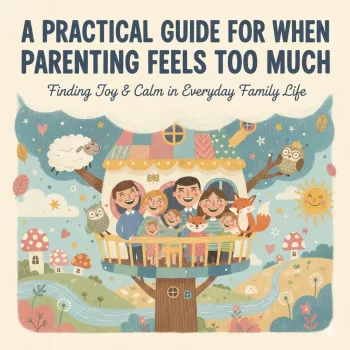
If reading time is short and you want an organized plan you can open on your phone, A Practical Guide for When Parenting Feels Too Much | Digital Parenting Guide | What to Do When Overwhelmed with Parenting walks through resets, routines, and repair in a step-by-step format.
FAQ
What should be done when parenting feels overwhelming in the moment?
Pause the situation safely, regulate your body (slow exhale breathing helps), say one calm sentence like “I’m overwhelmed and taking a quick calm-down break; you’re safe,” meet the first basic need (snack/potty/rest), then reconnect with brief warmth.
How can yelling be stopped when stressed and kids won’t cooperate?
Reduce the main triggers (hunger, poor sleep, rushed transitions, multitasking), use a “tap out” plan if another adult is available, and rely on short scripts instead of arguing. If yelling happens, repair quickly by apologizing for tone and restating the boundary with empathy.
When is overwhelm a sign of burnout or depression?
It’s a sign to get help when it lasts for weeks, interferes with daily functioning, or comes with hopelessness, panic, rage, intrusive thoughts, or safety concerns. Reach out to a clinician, and use emergency or crisis resources immediately if you’re worried about harm to yourself or your child.









Leave a comment