Silicone Toddler Suction Feeding Set: Plates, Bowl & Sippy
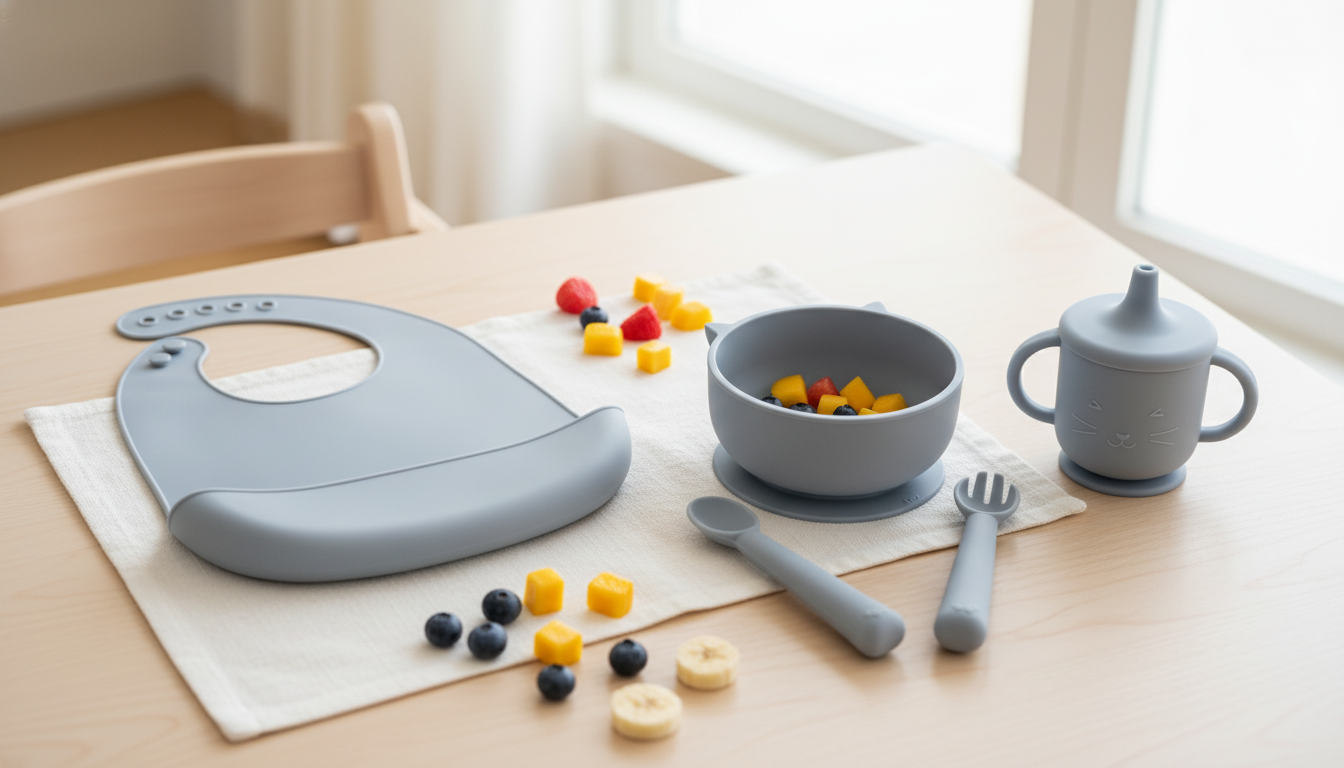
Silicone Toddler Feeding Set with Suction Plates, Bowl & Sippy Cup
Toddlers learn best by doing—especially at mealtime. A silicone feeding set with suction plates, a bowl, and a sippy cup helps reduce spills while supporting independent eating skills and easier cleanup. When little hands are determined to “help,” stable dishes and a grippy cup can turn everyday meals into calmer practice sessions for both toddlers and parents. For more guidance, see Bowl, Plate, Spoon, Sippy Bottle – Kids Dinner Set (Blue/Pink).
What’s Included and What Each Piece Does
A well-designed toddler set covers the basics without overcomplicating your cabinet. Here’s how each piece earns its place at the table: For further reading, see Choosing Safe Feeding Tools for Babies and Toddlers – Nurtured Nest.
- Suction plates: Designed to stay put on smooth surfaces to reduce flipping and sliding—especially helpful for finger foods, toast strips, or early fork practice.
- Suction bowl: Great for yogurt, oatmeal, pasta, rice, and other foods that are easier to scoop when higher sides guide the spoon.
- Sippy cup: Supports the transition from bottle to cup with a toddler-friendly grip and more controlled sipping.
- Silicone material: Flexible and quieter when set down than hard options, which can make mealtime feel less overstimulating.
Why Silicone Works Well for Toddler Mealtimes
Silicone has become a go-to for toddler feeding gear because it fits the stage: lots of learning, lots of drops, and lots of wiping down.
- Grip and stability: Suction bases plus the natural friction of silicone can help keep dishes from “wandering” across the table.
- Gentler on little mouths: Many toddlers prefer the softer feel of silicone over harder plastic or metal when they’re still figuring out utensils.
- Less breakage: Silicone resists shattering compared with ceramic, making it practical for everyday breakfasts and quick snacks.
- Simple routines: Fewer spills and easier washing can help meals stay consistent—even on busy days.
For general guidance on safe materials used with food, the U.S. Food & Drug Administration (FDA) overview of food contact substances is a helpful reference point.
Quick Specs at a Glance
This style of set is a practical match for the phase when toddlers want control but don’t yet have full coordination.
- Best for: Toddlers practicing self-feeding, scooping, and sipping.
- Works best on: Clean, flat, non-porous surfaces (sealed wood, glass, stone, smooth plastic).
- Good for: Everyday meals, snacks, and travel when paired with a mat or smooth tray.
- Budget-friendly option: A simple set can cover the essentials without extra pieces to store.
Plates, Bowl, and Cup: Practical Use Guide
| Item | What it helps with | Parent tip |
|---|---|---|
| Suction plate | Keeps food in one place for finger foods and early utensil practice | Press down firmly and remove air pockets; re-seat if the surface is dusty or textured |
| Suction bowl | Scoopable foods like oatmeal, rice, and soups | Use slightly thicker foods first so toddlers can “win” at scooping |
| Sippy cup | Transitioning to independent drinking | Offer water between meals and practice “sip, rest, sip” to avoid gulping |
How to Get the Best Suction (Without the Struggle)
Most suction complaints come down to the surface or the seal. A few quick adjustments usually make a noticeable difference:
- Start with a clean surface: Wipe away crumbs, grease, and moisture so the suction can seal evenly.
- Use the right surface: Suction is strongest on smooth, non-porous materials; textured tables reduce the hold.
- Seat the suction: Press down in the center and around the base to push out trapped air.
- Teach removal: Model how to lift an edge tab (if present) rather than pulling straight up on the rim.
If your primary eating area is textured, a smooth tray or thin silicone mat can create the flat foundation suction needs—without changing your whole setup.
Care, Cleaning, and Odor Prevention
Silicone is relatively low-maintenance, but it does best with consistent cleaning and thorough drying.
- Wash before first use: Warm soapy water helps remove any packaging residue.
- Daily cleaning: Hand wash or use the dishwasher (top rack if recommended by the product care instructions).
- Odor control: Avoid soaking silicone with strongly scented soaps; air-dry fully before storing.
- Stain management: Tomato-based foods can stain many materials; prompt rinsing and occasional sunning can help lighten discoloration over time.
For food-safe cleaning routines at home, the CDC’s Clean, Separate, Cook, Chill basics are a solid reminder—especially when you’re washing items used for milk, yogurt, and other quick-spoil foods.
Safety Notes for Confident Feeding
When This Set Is a Great Fit (and When to Consider Another Style)
Shop Feeding Set Options
- Silicone Toddler Feeding Set with Suction Plates, Bowl & Sippy Cup (a streamlined setup for everyday meals)
- 6PCS Silicone Baby Feeding Set with Lion Plate, Bib, Cup, Spoon & Fork (a larger bundle for families who want bib + utensils included)
FAQ
Will suction plates and bowls stick to a wooden table?
Suction performs best on smooth, sealed, non-porous surfaces. If the wood is textured or unfinished, suction may be weak; using a smooth tray, placemat, or sealed board under the plate/bowl can help.
Is silicone safe for toddlers to eat from?
Food-grade silicone from reputable sellers is commonly used for toddler feeding items. Follow the manufacturer’s care instructions, avoid harsh cleaners, and discard any pieces that become torn or damaged.
Can the sippy cup go in the dishwasher?
Many silicone cups and lids are dishwasher-safe, but it’s best to check the specific product care guidance. Disassemble removable parts for a thorough wash and dry everything completely to help prevent lingering odors.











Leave a comment