Silicone Socket Covers for EU Outlets (6-Pack)
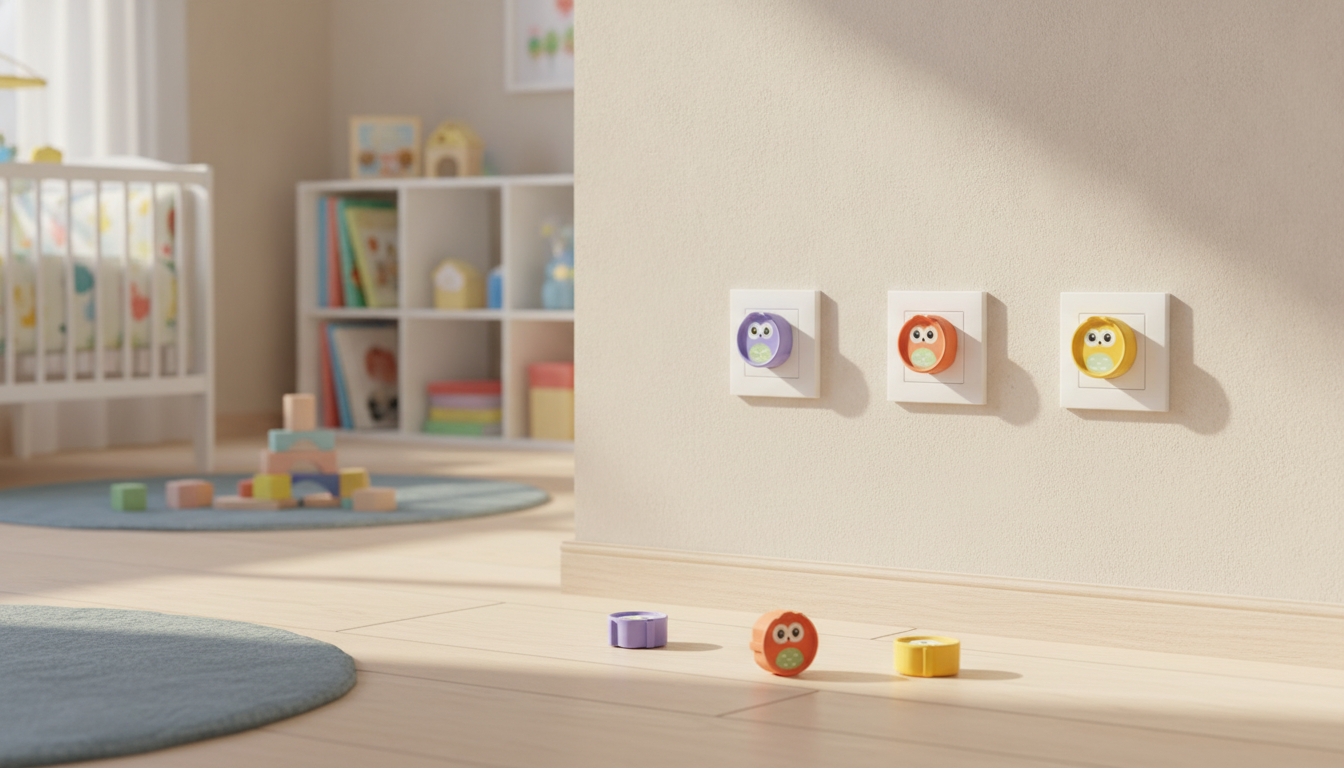
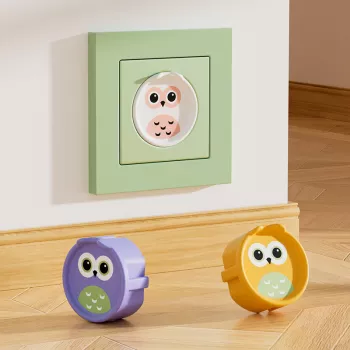
6-Pack Silicone Baby Safety Socket Covers for European Outlets
Small hands explore fast, and wall outlets are often right at eye level. These silicone socket covers are designed to block access to European-style outlets, helping reduce the risk of accidental contact while keeping rooms looking neat and uncluttered. Whether you’re setting up a nursery, babyproofing a living space, or adding quick protection in a vacation rental, a simple cover over unused sockets can reduce tempting “new discoveries” at floor level. For more guidance, see European Style Wall Socket Protectors, White ABS, Easy To ….
What These Socket Covers Do
- Create a physical barrier over unused outlets to help prevent children from inserting fingers or small objects.
- Designed for European-style wall outlets commonly found in homes, apartments, hotels, and nurseries.
- Soft silicone build aims to be gentle on walls and less prone to cracking than rigid plastics.
- 6-pack format covers multiple rooms or key child-height outlets.
Outlet Fit and Compatibility
Before installing any outlet cover, confirm the socket type on your wall. “European outlet” can mean different standards depending on the country, renovation history, or whether the building was updated with hybrid outlets. Recess depth also matters—many European sockets sit slightly recessed, which can affect how securely a cover sits and how flush it looks. For further reading, see Safety Outlet Plugs 20-pack 20-Pack Safety Socket Protectors ….
- Confirm the outlet type before buying or installing—European standards vary by country and building age.
- Most European sockets are recessed, which can affect how securely a cover sits.
- If an outlet is frequently used (chargers, lamps), consider whether a cover that requires removal is practical for that location.
- Avoid forcing covers into outlets that do not match the shape or dimensions.
Quick Compatibility Check (Common European Socket Types)
| Socket type | Common regions | Typical appearance | Fit check before use |
|---|---|---|---|
| Type C (Europlug socket) | Many EU countries | Two round holes (often recessed) | Ensure cover sits flush and does not wobble |
| Type E | France, Belgium, Poland (varies) | Two round holes + earth pin | Verify clearance around the earth pin area |
| Type F (Schuko) | Germany, Spain, Netherlands (varies) | Two round holes + side earth clips | Confirm cover does not interfere with side clips |
| Hybrid E/F outlets | Common in newer builds | Accepts both E and F plugs | Check for snug fit across combined features |
For a helpful overview of plug and socket standards, see IEC World Plugs: Plug & Socket Types (Type C, E, F).
Why Silicone Can Be a Practical Choice
Silicone covers are often chosen for their flexibility and comfort in day-to-day handling. Instead of relying on rigid plastic that may chip or crack if stepped on or removed repeatedly, silicone can feel slightly “grippy” and compliant—useful when you’re installing, doing a quick check, or moving them to another room.
- Flexible material may reduce cracking and chipping over time compared with brittle plastics.
- Low-profile look can blend into walls and reduce visual clutter around outlets.
- Smooth surface is typically quick to wipe clean from dust and fingerprints.
- Comfortable to handle for adults during removal and re-installation.
Where to Use Them in a Childproofing Plan
Outlet covers work best when they’re placed strategically—covering the outlets that are easiest for kids to reach and least necessary for adults to access every day. Think of them as a simple “close the door” step for unused sockets, while you also manage cords and keep frequently used power sources out of reach.
- Nurseries and bedrooms: cover unused outlets near cribs, changing tables, and play corners.
- Living rooms: cover outlets behind or beside furniture where small hands can reach.
- Hallways and entry areas: often overlooked outlets at floor level.
- Grandparents’ homes and vacation rentals: an easy way to add temporary protection.
- Skip outlets that power critical equipment that must remain accessible; prioritize unused sockets instead.
For broader home safety guidance, the American Academy of Pediatrics offers practical, room-by-room tips at HealthyChildren.org (AAP): Home Safety for Children.
Installation and Everyday Use Tips
- Turn off power at the breaker if inspecting loose, damaged, or questionable outlets; have an electrician address faults.
- Press the cover in gently until it sits flat; do not force or bend metal contacts.
- Perform a tug test: the cover should not come out with a light brush from a child’s hand.
- Place frequently used chargers on higher outlets when possible, leaving lower outlets covered.
- Re-check fit periodically, especially after redecorating or moving furniture.
If you’re babyproofing a new space (or relocating between countries), it can help to walk through each room at toddler height. The outlets that look “obvious” at that level are typically the ones to prioritize first.
Care, Maintenance, and Safety Notes
Product Snapshot: 6-Pack Silicone Baby Safety Socket Covers
Shop Baby & Kids Favorites
- 6-Pack Silicone Baby Safety Socket Covers – European Outlet Childproof Guards
- Girls Knit Sweater Dress with Heart Print & Ruffle Collar
FAQ
Will these fit all European outlets?
Europe uses multiple socket standards (commonly Type C, E, and F), so fit depends on the outlet style, recess depth, and features like earth pins or side clips. Check your outlet type and confirm the cover sits snug and flush without forcing it.
Are socket covers enough to make a home safe for toddlers?
Socket covers help block access to unused outlets, but they’re only one part of a safer setup. Combine them with close supervision, repaired or replaced loose outlets, tidy cable management, and moving chargers to higher outlets when possible.
How do these differ from sliding outlet covers or built-in shutters?
Removable covers block unused outlets by physically sealing the socket, while sliding covers or built-in shutters can be more convenient where outlets are used frequently. The best option depends on how often you need access and whether the solution matches your specific European outlet type.









Leave a comment