Silicone Rabbit Baby Teether: Easy Grip for Teething
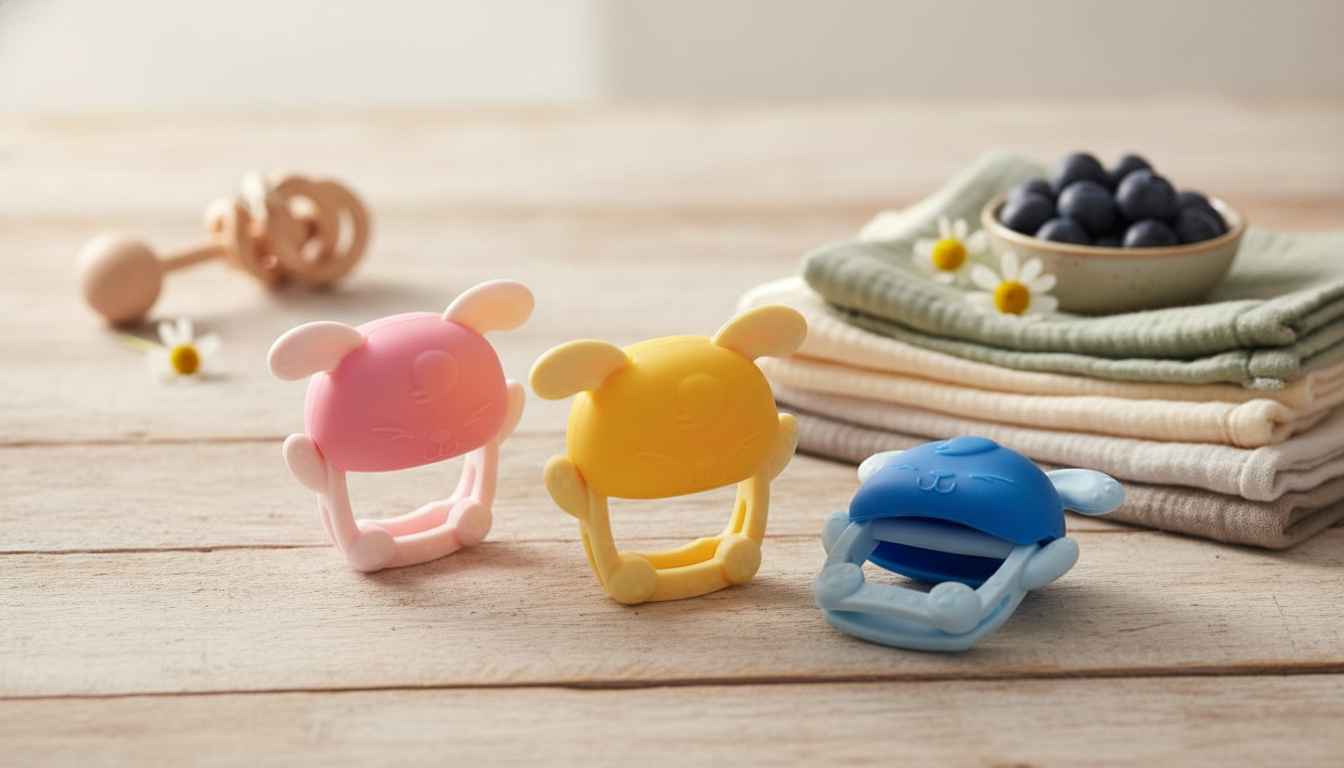
Silicone Rabbit Baby Teether: Gentle Relief for Sore Gums
Teething can bring sore gums, extra drool, and fussy moments. A soft, easy-to-hold teether can help soothe discomfort while giving little hands a safe sensory toy. The Silicone Rabbit Baby Teether is designed to be lightweight, grippy, and simple to clean for everyday use at home or on the go. For more guidance, see Best Pacifiers, Teethers & Teething Relief Reviews and… – Revain.
What Makes a Rabbit-Shaped Silicone Teether Helpful
When babies start exploring with their mouths, a teether becomes more than a “chew toy”—it’s a practical comfort tool. A rabbit shape works especially well because it naturally creates multiple edges and curves for different chewing stages. For further reading, see The 7 Best Teething Toys of 2023 – WonderBaby.org.
- Comfortable texture for tender gums: Soft silicone can provide gentle counterpressure that helps massage sore areas during teething phases.
- Multiple chewing angles: Rabbit ears and rounded curves give little ones options—front gum nibbling, side gum chewing, and changing positions as new teeth come in.
- Easy-to-grip shape: A well-sized teether supports early hand-to-mouth coordination, helping babies practice holding, rotating, and bringing it to their mouth independently.
- Lightweight for travel: A compact teether is a simple add-in for a diaper bag, stroller, or car seat—especially when a familiar comfort item makes transitions easier.
For general teething symptoms and common comfort strategies, the American Academy of Pediatrics provides a helpful overview here: American Academy of Pediatrics — Teething.
Everyday Use: Best Times to Offer a Teether
Timing matters. Offering a teether before fussiness peaks can help babies stay calmer and may reduce the urge to chew on fingers, clothing, or straps.
- After naps or feeds: Gums can feel more sensitive during these transitions, and a teether can be a soothing “reset.”
- During supervised playtime: Keep it within reach on a play mat to redirect chewing to a safer, purpose-made option.
- On outings: A familiar teether can be a calming object in the car seat or stroller (always used under adult supervision).
- Before bedtime routines (while supervised): If baby tends to get extra fussy in the evening, a few minutes with a teether can help settle them before the next step in the routine.
For additional safety reminders around teethers (including what to avoid), see: U.S. Food & Drug Administration — Tips for Pacifiers and Teethers.
Quick Product Snapshot
If you’re building a baby essentials kit or looking for a small, useful add-on for a gift, the rabbit teether is a simple option: cute, compact, and designed for teething relief with a soft silicone feel suitable for gentle gum pressure.
Silicone Rabbit Baby Teether at a Glance
| Feature | Details |
|---|---|
| Product | Silicone Rabbit Baby Teether |
| Price | $2.82 USD |
| Availability | In stock |
| Best for | Everyday teething comfort, at-home play, and on-the-go soothing |
Care and Cleaning Tips
Teethers get dropped, pocketed, and taken on outings—so cleaning routines should be easy and consistent. A few small habits can help keep a silicone teether fresh and ready to use.
- Wash before first use and after drops/outings: A quick clean after floor time or public outings helps reduce grime and residue.
- Use mild soap and warm water: Clean all surfaces, then rinse thoroughly so no soap film remains.
- Air-dry completely before storing: Let it dry fully to help prevent odor buildup and trapped moisture.
- Inspect regularly: Replace if the silicone looks torn, cracked, sticky, or unusually discolored, or if debris seems trapped in any area.
For general cleaning guidance and good hygiene habits around frequently handled items, the CDC provides practical recommendations: Centers for Disease Control and Prevention — Cleaning and Sanitizing.
Safe Teething Practices to Keep in Mind
Teethers are meant to be helpful, but safety always comes first—especially during sleepy times or when baby is very young.
- Use under adult supervision: This is particularly important during naps, in car seats, or anytime baby might drift off.
- Avoid cords and risky attachments: Don’t tie teethers around the neck or use long cords that can create hazards. If you use a clip, keep it short and follow the clip’s safety guidance.
- Follow age and use instructions: Use the product as intended and retire it when it shows signs of wear.
- Know when to call a clinician: If symptoms go beyond typical teething—such as persistent fever, dehydration signs, or unusual lethargy—contact a pediatric clinician.
Pairing Ideas for a Simple Baby Gift
- Add a burp cloth or bib: Teething often means lots of drool, and having an extra bib in rotation can be a lifesaver.
- Include a baby-safe washcloth: Great for quick wipe-downs while traveling or after outdoor errands.
- Build a “comfort-on-the-go” set: Pair the Silicone Rabbit Baby Teether with a small pouch in the diaper bag so it stays clean and easy to find.
- Add a cute outfit as the “fun” item: For a baby shower or welcome-home basket, a cozy piece like the Girls Knit Sweater Dress with Heart Print & Ruffle Collar can balance the practical items with something celebratory.
FAQ
Can a silicone teether be chilled for extra soothing?
If the product instructions allow it, chilling in the refrigerator (not the freezer) can add extra soothing relief. Always supervise use, and avoid extreme cold that could irritate sensitive gums.
How often should a baby teether be cleaned?
Clean before first use, at least daily during frequent use, and any time it’s dropped or taken outdoors. Rinse thoroughly and let it fully air-dry before storing.
When should a teether be replaced?
Replace a teether if you notice tears, cracks, a sticky feel, discoloration, trapped debris, or any sign the material is breaking down. If it can’t be cleaned well anymore, it’s time for a new one.








Leave a comment