Parenting Stress Relief: Calm in the Chaos eBook

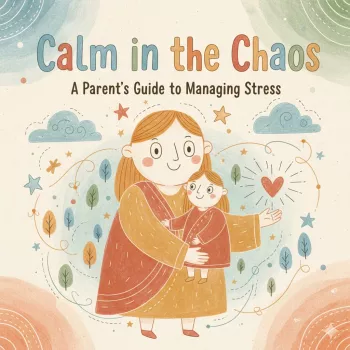
Calm in the Chaos: A Parent’s Guide to Managing Stress (Digital eBook)
Parenting can feel like a constant stream of decisions, interruptions, and emotional labor—often on too little sleep. The good news: calm doesn’t require a perfectly quiet house or endless free time. It’s built through practical mindset shifts, quick regulation tools, and realistic self-care that fits into real family life. Designed for moms and dads, the digital eBook format makes it easy to start today and revisit the strategies whenever stress spikes.
Why Parenting Stress Feels So Intense
Parenting stress often comes from being in a load-bearing role all day long: managing schedules, emotions, meals, school needs, and household logistics—while also trying to stay patient and present. Even when life is “fine,” the mental load can stay loud.
Common stress multipliers include sleep deprivation, pressure to do it “right,” and the lack of uninterrupted recovery time. Many parents aren’t just tired; they’re tired without a true off switch. Over time, chronic stress shrinks patience and decision-making, so small problems start to feel urgent and personal.
A helpful reframe: stress is a signal to adjust supports and expectations, not a verdict on parenting ability. The body is reacting to demand, not measuring your worth. For a deeper look at how stress affects the body, the American Psychological Association offers a clear overview.
What “Calm” Looks Like in Real Life (Not Perfection)
Calm isn’t “never getting triggered.” Calm is the ability to return to baseline faster after a trigger. It’s feeling the surge of irritation and still finding a way to respond—maybe not flawlessly, but more intentionally.
Micro-moments count. Thirty to ninety seconds of regulation can change how the next hour unfolds, because it interrupts the stress spiral before it becomes a full-blown blow-up.
Family calm is built through repeatable routines, clear boundaries, and repair after conflict. Progress markers often look like fewer blow-ups, quicker recovery, less rumination, and more flexible thinking when things don’t go to plan.
Mindset Shifts That Reduce Stress Fast
When stress spikes, the mind tends to demand immediate solutions and perfect outcomes. Small reframes can lower the temperature quickly—without ignoring real needs.
- From “Everything must be fixed now” to “One next step is enough.”
- From “Good parents don’t lose it” to “Good parents repair and reset.”
- From “I should handle this alone” to “Support is part of responsible parenting.”
- From “My child is giving me a hard time” to “My child is having a hard time (and so am I).”
- From all-or-nothing self-care to small, consistent recovery habits.
These shifts don’t erase the mess of real life—they make it easier to move through it without adding extra shame and pressure.
Quick Regulation Tools for the Moment Things Boil Over
In heated moments, the goal is simple: reduce intensity long enough to choose your next move. Start with fast tools that work even when kids are melting down and time is tight.
- Name the state: Silently label what’s happening (overwhelmed, rushed, overstimulated). Naming reduces emotional intensity and helps the brain re-engage.
- Use a short reset: Take five slow breaths, unclench jaw and shoulders, and soften your gaze before responding.
- Lower the input: Reduce noise, lights, or multitasking when possible. Overstimulation drives reactive parenting.
- Delay the lecture: Choose safety and connection first; problem-solve after everyone is calmer.
- Try a 60-second body reset: Cold water on wrists, step outside for one minute, or do a brief wall push to discharge adrenaline.
If you’d like additional stress-coping ideas grounded in public health guidance, the CDC’s coping with stress resource is a helpful companion read.
Self-Care That Works When Time Is Tight
Self-care for parents works best when it’s treated like capacity maintenance—not an occasional luxury. Aim for the “minimum effective dose”: tiny actions that restore your ability to cope.
Quick self-care menu for busy parents
| Time | Option | When it helps most |
|---|---|---|
| 1–2 minutes | Two slow breaths + shoulders down + sip water | Irritability, rushing, snapping |
| 5 minutes | Step outside or open a window + light stretch | Overstimulation, restlessness |
| 10 minutes | Walk, gentle yoga, or quiet shower reset | Low mood, agitation, mental fog |
| 15–20 minutes | Meal prep shortcut, tidy one surface, or plan tomorrow’s first step | Decision fatigue, feeling behind |
| 30 minutes | Nap, early bedtime, or device-free decompression | Burnout signs, chronic exhaustion |
Practical Tools for Smoother Days
Even one default—like a dependable outfit choice—can reduce morning battles. Some parents find it easier to streamline getting-ready routines by keeping a few go-to clothing options on hand, such as a cozy everyday piece like the Girls Knit Sweater Dress with Heart Print & Ruffle Collar.
When to Get More Support
Digital eBook Details: Calm in the Chaos
If you want a guided, practical approach you can return to whenever stress spikes, Calm in the Chaos: A Parent’s Guide to Managing Stress (Digital eBook) is designed for busy parents who need tools that work in real time.
FAQ
Is this eBook helpful for both moms and dads?
Yes. It’s written for parents and caregivers broadly and focuses on shared stressors like decision fatigue, emotional overload, and lack of recovery time, with tools that adapt to different family roles and routines.
How fast can the strategies make a difference?
Some tools (like short breathing resets and naming your stress state) can help in the moment, while mindset and routine changes build steadier results over days and weeks. Consistency matters more than doing everything at once.
Is the download instant, and can it be used on a phone or tablet?
It’s a digital download designed for convenient access, and it can typically be opened on common devices like phones, tablets, and computers. Once saved, it’s easy to revisit whenever you need a refresher.









Leave a comment