Number-Matching Lock Toy: Unlock Car Learning Game
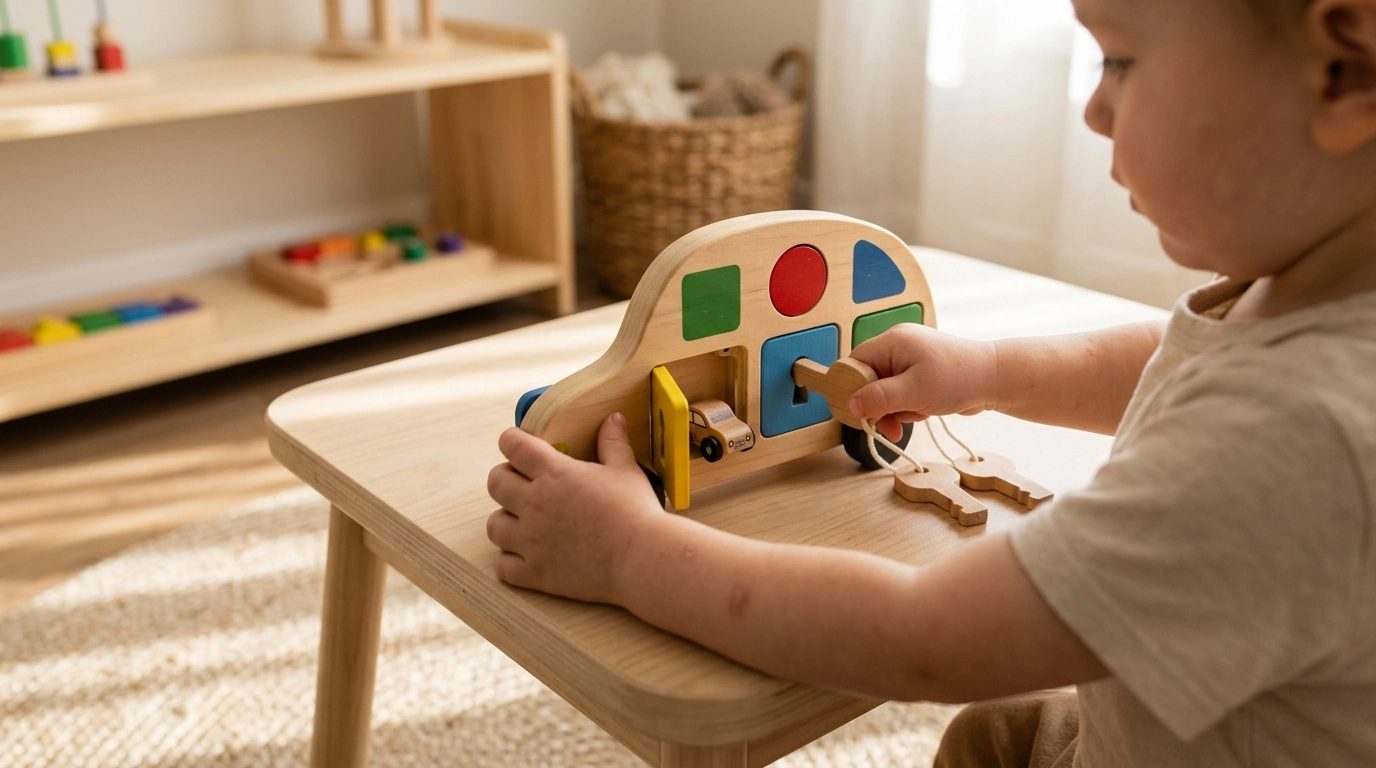
Interactive Baby Learning Lock Toy – Number Matching Unlock Car Game
A lock-and-key style learning toy turns early number practice into something kids can feel in their hands. With this car-themed unlock game, children match a printed number to the correct “key” or mechanism, complete the action, and open each door for a fun reveal. The quick open-close cycle keeps the activity satisfying and repeatable—ideal for building confidence through independent play and gentle trial-and-error.
What This Lock-and-Unlock Game Is
This is a hands-on number-matching activity where each lock corresponds to a number, and the right matching piece (or correct slider/twist/press action) opens it. The car-themed reveal adds a playful payoff that encourages “one more try,” while the simple, repeatable sequence supports practice without feeling like a worksheet.
- Number-matching play: find the number, choose the match, unlock the door.
- Car surprises behind doors create curiosity and repeat engagement.
- Short success cycles help kids feel capable and motivated.
- Works well for quiet time, travel, or a dedicated learning shelf.
How Kids Play (Simple Steps)
Most children pick up the routine quickly. A quick demo from an adult can help the first time, then kids typically enjoy taking over and repeating the process on their own.
- Pick a door/lock and identify the number shown.
- Find the matching key or mechanism associated with that number.
- Try the action: insert, slide, twist, or press (depending on the lock style).
- Open the door to reveal the car element, then close and reset to try a new number.
Skills This Toy Supports
Lock toys are deceptively rich in early learning benefits because they combine thinking, language, and precise hand movements in one activity.
- Number recognition and matching: connects visual symbols (numbers) with the correct corresponding piece.
- Fine-motor control: grasping, turning, aligning parts, and using controlled pressure.
- Hand–eye and bilateral coordination: stabilizing with one hand while operating with the other.
- Problem-solving and persistence: testing options, noticing what works, and trying again.
- Language development: naming numbers, describing actions (open/close/turn/slide), and sequencing steps.
For a broader view of age-appropriate learning through play, the NAEYC’s guidance on developmentally appropriate practice can be a helpful reference: NAEYC — Developmentally Appropriate Practice.
Why the Lock Mechanism Is So Engaging
Locks make the goal obvious: open it. That clarity is powerful for toddlers and preschoolers, especially when the reward is immediate and visible.
- Clear cause-and-effect: the right match leads to a satisfying “open” moment.
- Repetition without boredom: the same concept (match and unlock) feels fresh across multiple numbers.
- Built-in self-correction: the wrong key or action doesn’t work, so kids can adjust without being “graded.”
- Low-stakes resilience practice: “try again” becomes part of the fun, not a failure.
Quick Guide to Ages, Setup, and Supervision
This style of toy is typically best for toddlers and preschoolers who are working on early numbers and strengthening dexterity. Start simple and add challenge as your child’s comfort grows.
- Begin with a small set of numbers (for example, 1–3), then introduce more.
- For younger toddlers, model one unlock first and narrate the steps (“Find the 2… turn… open!”).
- Place the toy on a stable surface to reduce slipping and frustration.
- Follow all product safety guidance and supervise play, especially if small parts are included.
For general play safety reminders, see: American Academy of Pediatrics — Toy Safety. If you’re curious about typical developmental skills around age two (often when lock play becomes especially interesting), the CDC milestones are also useful: CDC — Important Milestones: Your Child By Two Years.
Play Ideas to Extend Learning
Once the unlock routine is familiar, a few small tweaks can stretch the learning without changing the toy.
Feature Snapshot and Comparison
| Toy Type | Primary Skill Focus | Best For | Why It Helps |
|---|---|---|---|
| Number matching lock-and-unlock | Numeracy + fine-motor problem-solving | Toddlers/preschoolers who like cause-and-effect | Self-correcting practice with a clear goal and reward |
| Shape sorter | Shapes + spatial reasoning | Younger toddlers learning basic forms | Immediate feedback through fitting and dropping pieces |
| Lacing cards | Pincer grasp + bilateral coordination | Kids ready for longer focus | Repetitive threading strengthens hand control |
| Counting bears/counters | Counting + sorting | Early math routines | Hands-on counting, grouping, and color practice |
Gifting, Storage, and Care Tips
Product Highlight
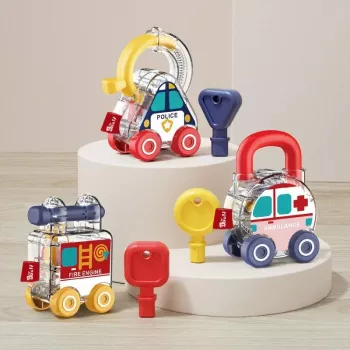
If your child loves switches, doors, and “open/close” tasks, Interactive Baby Learning Lock Toy – Montessori Number Matching Unlock Car Game for Kids is a compact option that pairs number matching with satisfying lock mechanics. Short daily sessions—just a few minutes—can add up to meaningful practice over time.
- Kids’ 12V Ride On Land Rover with Remote Control and LED Lights
- High-Speed 1/8 Scale Monster Tank RC Car
FAQ
What age is a number matching lock toy best for?
It’s typically a great fit for toddlers through preschoolers who are learning early numbers and strengthening hand control. Start with just a few numbers for younger kids and add more as confidence grows, and always follow the manufacturer’s age guidance and supervision recommendations.
How can this help with early math skills?
It builds number recognition by asking kids to identify a numeral and match it to the correct key or mechanism. You can extend learning by adding simple prompts like “find number 3,” then counting three small objects after the door opens.
How do you keep kids from getting frustrated if they can’t unlock it?
Demonstrate one unlock slowly, then let your child try with a simpler lock first; brief hand-over-hand support can help them feel the motion. Keep practice short, celebrate effort, and lean on the toy’s self-correcting design—if it doesn’t open, it’s simply time to try a different match.







Leave a comment