Keep Baby Warm Without Blankets: Safe Sleep + TOG
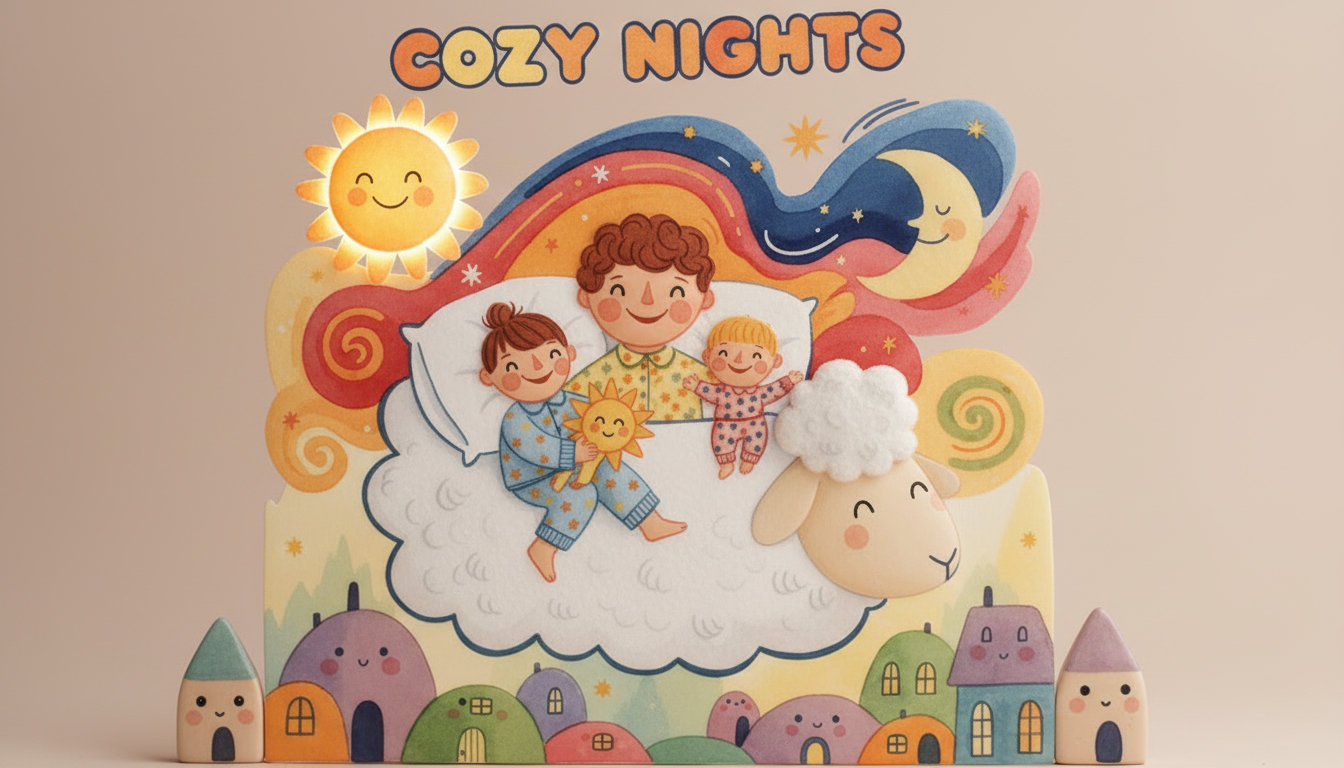
Cozy Nights Without Blankets: A Safe Sleep Checklist and TOG Guide for Keeping Baby Warm
Babies should sleep on a firm, flat surface with no loose blankets in the sleep space—but that can leave parents wondering how to keep a baby comfortably warm. The good news: warmth doesn’t have to come from loose bedding. With the right room setup, a simple layer strategy, and a basic understanding of TOG ratings, it’s possible to keep baby cozy while supporting safer sleep habits.
Why blankets aren’t recommended for baby sleep
Loose blankets can shift during the night and may cover a baby’s face, which can interfere with breathing. Because of this risk, safer sleep guidance generally recommends a clear sleep space with no loose bedding.
Instead of traditional blankets, warmth can be achieved with appropriate sleep clothing and wearable blankets (sleep sacks) that stay in place. This approach reduces loose items in the crib or bassinet while still providing insulation.
A consistent bedtime setup also helps caregivers avoid last-minute layering guesses. When everyone uses the same “room temp → layers → sleep sack” routine, it’s easier to stick to a safer, calmer process.
Set the stage: room temperature and sleep environment basics
Start with the environment. Many pediatric resources suggest keeping the room comfortably cool—often around 68–72°F (20–22°C). The exact “right” temperature can vary by home, humidity, and airflow, so treat it as a starting range rather than a strict rule.
- Use a firm, flat mattress with a fitted sheet only.
- Keep the sleep space free of pillows, quilts, bumpers, and stuffed items.
- Place baby on their back for sleep.
- Make sure the crib or bassinet meets current safety standards.
- If helpful, use gentle air circulation (like a fan) and avoid direct heat sources near the sleep space.
For more detailed safe sleep guidance, review the American Academy of Pediatrics safe sleep recommendations and the CDC overview on SUID/SIDS.
How to keep baby warm without blankets: layer strategy that stays put
Think in simple, breathable layers that won’t ride up or bunch. A practical rule: adjust warmth by changing the base layer first, then the sleep sack, rather than stacking bulky clothing.
1) Start with a breathable base layer
Choose a onesie or footed sleeper that matches the room temperature. Cotton and other breathable fabrics are popular for everyday use; the goal is comfort without trapping too much heat.
2) Add a wearable blanket (sleep sack)
A sleep sack provides consistent insulation without the loose-blanket risk. Choose the correct size so it fits snugly around the chest and arms and doesn’t allow baby to slip down into it.
3) Skip anything that complicates safe sleep
Prefer snug-fitting sleepwear that won’t ride up. Avoid sleep items with hoods or neck ties. For indoor sleep, hats are typically not used unless a clinician specifically advises it.
4) If baby needs more warmth, change weight—not bulk
If baby seems chilly, it’s usually better to switch to a slightly warmer base layer (for example, long sleeves or a thicker fabric) before adding multiple layers. Too many bulky layers can restrict movement and increase overheating risk.
TOG ratings made simple (and how to choose one)
TOG is a measure of insulation: higher TOG generally means warmer. It’s helpful as a starting point, but it’s not a perfect formula—airflow, humidity, base-layer fabric, and baby’s individual comfort all matter.
Example TOG layering guide by room temperature (general starting points)
| Room temperature | Sleep sack TOG (example) | Base layer (example) | Notes |
|---|---|---|---|
| 75–78°F (24–26°C) | 0.2–0.5 | Short-sleeve onesie | Lightweight fabrics; focus on breathability |
| 72–74°F (22–23°C) | 0.5–1.0 | Short- or long-sleeve onesie | Adjust sleeves based on baby’s comfort |
| 68–71°F (20–22°C) | 1.0 | Long-sleeve onesie or light footed sleeper | Common comfort zone for many homes |
| 64–67°F (18–19°C) | 1.5–2.5 | Footed sleeper (or long-sleeve + leggings) | Avoid overheating; monitor neck/chest warmth |
Cold vs. overheating: quick comfort checks that matter
Printable bedtime checklist: a repeatable routine for cozy, safer sleep
If a one-page reference would help everyone stay on the same page, see the Cozy Nights Without Blankets printable checklist and TOG guide.
Common warmth challenges and easy fixes
Drafty room
Daycare vs. home differences
Night wakings and the blanket temptation
Travel and overnight stays
A simple tool to keep on hand
A one-page checklist and TOG reference can reduce decision fatigue and help all caregivers follow the same plan—especially when the weather changes quickly. For busy households, pairing a sleep routine reference with a planning system can also help keep handoffs smooth; the Using AI to Organize Kids’ Schedule digital guide is another option for organizing daily routines.
For additional safe sleep information, the NHS guidance on reducing SIDS risk is also a helpful reference.
FAQ
Can a baby sleep safely without a blanket?
Yes. A clear sleep space without loose bedding is commonly recommended for safer sleep, and warmth can be handled with sleep clothing and a properly fitted wearable blanket (sleep sack).
How do you know if a baby is cold at night without blankets?
Check the back of the neck or the chest rather than hands and feet. If the chest/neck feels cool, adjust one layer at a time and re-check after 10–15 minutes.
What TOG should a baby wear at night?
TOG depends on room temperature and the base layer. Use a TOG chart as a starting point, then fine-tune based on baby’s neck/chest warmth and any signs of overheating.








Leave a comment