Extreme Terrain 4WD RC Crawler: Grip and Precision
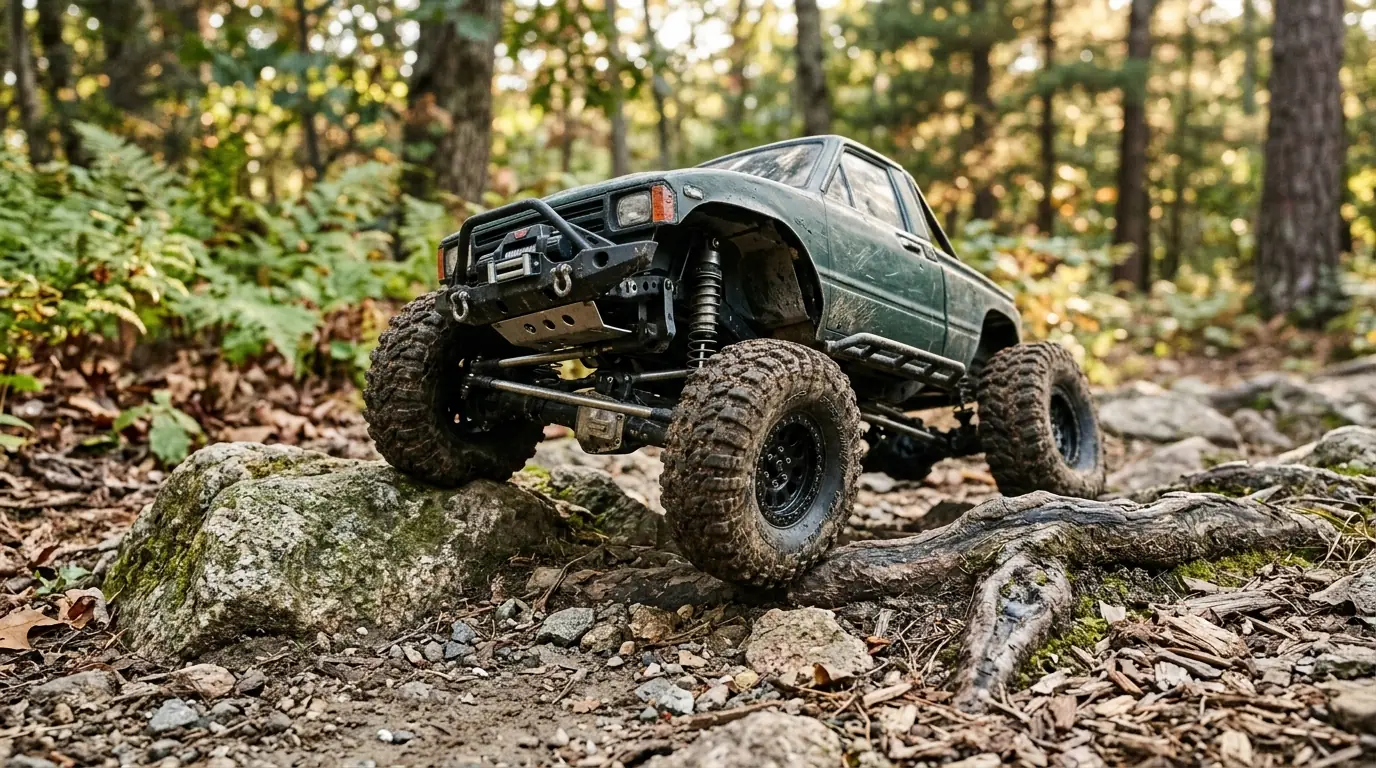
Extreme Terrain 4WD RC Crawler: Trail-Ready Control for Rocks, Ruts, and Backyard Obstacles
Built for slow, controlled climbing rather than straight-line speed, the Extreme Terrain 4WD RC Crawler is designed to keep traction when surfaces get uneven. Instead of chasing top speed, a capable crawler helps you “solve” obstacles—finding the right line over rocks, up roots, and across rutted ground with steady throttle and confident grip. Below is a practical breakdown of what makes a crawler different, where this style performs best, and how to set one up for better climbs in everyday spaces like backyards, driveways, and local trails.
What Makes a 4WD RC Crawler Different
A crawler’s job is simple: move forward when the ground is trying to stop it. That changes the way the whole vehicle is designed—power delivery, tires, stance, and suspension all emphasize control.
- Low-speed torque and precise throttle control: Crawlers prioritize smooth, usable power at low speeds so the tires can “walk” up ledges without spinning out.
- 4WD traction support: A 4WD drivetrain helps keep the vehicle moving when one or more wheels lose grip on loose dirt, angled rock, or uneven yard debris.
- Clearance and angles matter: Ground clearance plus approach/departure angles often matter more than speed because the goal is to climb over obstacles, not blast around them.
- Tires are the real drivetrain: Tread pattern and compound influence grip on rock, dirt, grass, and even indoor obstacles like foam blocks or ramps.
- Suspension articulation: More articulation helps keep tires planted across uneven surfaces, reducing wheel lift and maintaining forward bite.
Key Highlights of the Extreme Terrain 4WD RC Crawler
The Extreme Terrain 4WD RC Crawler is a strong fit for technical driving—where the fun comes from controlled movement and traction management rather than wide-open speed runs.
- Purpose-built for uneven terrain: Ideal for rocks, gravel paths, and backyard setups where obstacles show up every few feet.
- 4WD capability for climbs and side-hills: More consistent grip and stability when the course turns off-camber or the surface changes mid-line.
- Crawler-style stance: A balanced, planted feel helps when squeezing between obstacles or easing down steep descents.
- Great for DIY courses: Ramps, stones, small logs, edging pavers, and foam blocks can quickly become a repeatable crawl line.
- Best for “line choice” driving: Suits drivers who enjoy slow precision—tiny steering corrections, gentle throttle, and clean tire placement.
Where It Performs Best (and When to Choose Something Else)
Crawlers shine in compact areas where the terrain itself creates the challenge. If the space is large and open, a faster off-road platform can feel more exciting.
- Excels on: rocks, roots, packed dirt, small logs, and DIY crawl courses.
- Works well on: short grass and gravel when the route is technical and speeds are kept low.
- Less ideal for: wide-open high-speed runs where acceleration and top speed are the main goal.
- If speed is the priority: A faster off-road basher like the High-Speed 1/8 Scale Monster Tank RC Car can be a better match for open dirt areas and aggressive driving.
- If you need something rideable for kids: That’s a different category—consider a powered ride-on such as the Kids’ 12V Ride On Land Rover with Remote Control and LED Lights.
Setup Tips for Better Crawling
Small adjustments can make a crawler feel dramatically more capable. The key is to change one variable at a time so it’s obvious what helped (or hurt) performance.
- Tire feel (foam compliance): Aim for compliant tires that conform to rocks and edges for extra grip. If the tire feels overly stiff, it may bounce or slide instead of “wrapping” the obstacle.
- Weight bias: A slight front bias can reduce lifting on climbs and help the front tires bite. Avoid going too nose-heavy, which can make descents twitchy and increase end-over risk.
- Suspension balance: More articulation helps on uneven terrain, but keep enough damping/control to prevent excessive body roll on side-hills and off-camber sections.
- Driving technique: Use gentle throttle and steady steering. Sudden inputs break traction and create wheelspin—especially on smooth rock or loose gravel.
- Practice a repeatable line: Run the same obstacle sequence, then adjust tires, weight, or suspension and re-run it. Consistency is how you learn what truly improves climbing.
Quick Comparison: Crawler vs Faster Off-Road Options
Match the vehicle to your space and your style. Small technical areas favor crawlers; large open areas favor faster RC cars.
| Model | Best for | Driving style | Typical terrain |
|---|---|---|---|
| Extreme Terrain 4WD RC Crawler | Climbing and technical obstacles | Slow, precise, high-traction | Rocks, roots, gravel, backyard courses |
| High-Speed 1/8 Scale Monster Tank RC Car | Fast off-road runs and bashing | High-speed, aggressive | Open dirt areas, rough ground, larger spaces |
Care, Batteries, and Storage Basics
A crawler spends a lot of time grinding over gritty surfaces, so simple routine care can protect run time, climbing ability, and drivetrain smoothness.
For general guidance on wireless equipment compliance and consumer product safety considerations, see the FCC equipment authorization resources and the CPSC toy safety guidance.
FAQ
Is a 4WD RC crawler good for beginners?
Yes. Crawlers reward slow, controlled inputs, which makes them approachable for beginners. Start with gentle throttle, wider turns, and simple obstacle lines before attempting steeper climbs or side-hill sections.
Can an RC crawler run on grass and gravel?
It can, especially on short grass and packed gravel. Crawling is most enjoyable when speeds stay low and the route includes obstacles or elevation changes rather than long, flat high-speed stretches.
What maintenance matters most for a crawler used on rocky terrain?
Regularly remove grit, inspect wheel hubs and suspension joints, and confirm the drivetrain spins smoothly. After wet runs, dry the vehicle thoroughly to help prevent premature wear and performance loss.









Leave a comment