Electric Scooter for Kids: Safe Riding & Buying Tips
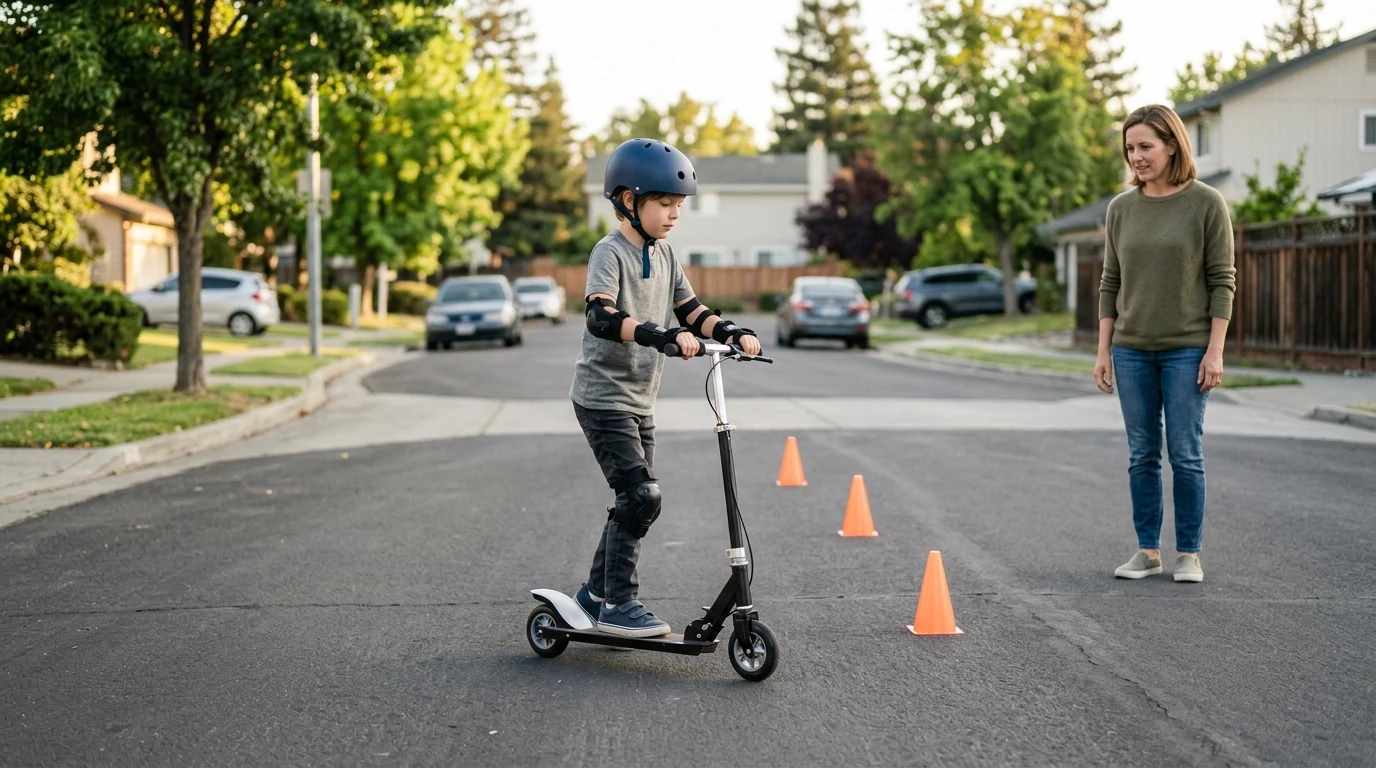
Electric Scooter for Kids: A Parent’s Guide to Safe, Fun Riding
A kids’ electric scooter can be a great step up from a kick scooter—offering independence, outdoor time, and confidence-building skills. The best choice is the one that fits your child’s size and skill level, with sensible speed, predictable braking, and clear rules for where (and how) riding happens.
What matters most for kids’ electric scooters
Not all electric scooters feel the same under a child’s feet. Prioritize the features that directly affect balance, stopping distance, and everyday usability.
- Fit and control: Handlebar height, deck length, and grip comfort should match your child’s stance and reach. If elbows are locked or shoulders are shrugged, the scooter will feel harder to steer.
- Speed and acceleration: A modest top speed and smooth start are ideal for first-time riders. Sudden acceleration is a common cause of wobbles and panic braking.
- Braking: A reliable brake with an easy-to-reach lever matters more than extra speed. Kids should be able to brake without shifting their grip.
- Stability: Wheel size, wheelbase, and deck width all influence how stable the scooter feels over cracks and small bumps.
- Battery and charging: Look for a predictable range for neighborhood rides and a realistic charge time. Consistent charging habits help the battery last longer.
- Weight and portability: Lighter scooters are easier for kids to reposition and for caregivers to carry up steps or store in a trunk.
- Durability: Check frame materials, fender strength, and whether the scooter can handle occasional splashes (without riding through puddles).
Quick checklist before buying
| Category | What to look for | Why it helps |
|---|---|---|
| Age/size fit | Adjustable handlebar, comfortable deck length | Improves balance and reduces fatigue |
| Top speed | Kid-appropriate speed range, gentle throttle response | Helps new riders stay in control |
| Brakes | Responsive brake with easy reach | Shorter stopping distance and safer stops |
| Wheels/tires | Stable wheelbase; larger wheels for cracks/bumps | Smoother ride and fewer sudden jolts |
| Visibility | Reflectors and/or lights if riding near dusk | Better seen by others |
| Safety gear | Helmet plus pads recommended | Reduces common injury risks |
Safety basics: gear, rules, and supervision
Most scooter mishaps come down to speed + surprise (a driveway, a bump, a dog on a leash) combined with limited braking practice. A few habits dramatically improve safety.
- Helmet first: Choose a properly fitted bike or skate-style helmet and replace it after a significant impact. The CDC has a helpful overview of helmet safety at https://www.cdc.gov/helmet-safety/.
- Pads help beginners: Wrist guards, elbow pads, and knee pads can reduce common fall injuries, especially during the first month of riding.
- Closed-toe shoes: Skip sandals and slides. Shoes with grip and a snug fit help kids “stick” their stance when braking.
- Ride zones: Use smooth sidewalks or quiet paths where scooters are permitted. Avoid traffic, steep hills, and crowded areas until skills are consistent.
- Supervision and boundaries: Set a clear ride perimeter (for example, “between these two driveways”) and practice stopping before longer loops.
- Visibility habits: Bright clothing helps. If riding near dusk, lights/reflectors make a meaningful difference.
- Weather limits: Avoid wet surfaces and standing water unless the scooter is clearly rated for those conditions.
For more kid-focused helmet fit and safe riding guidance, the AAP’s safety resources can be useful: https://www.healthychildren.org/English/safety-prevention/on-the-go/Pages/Bicycle-Safety.aspx. General road-safety reminders are also available from NHTSA: https://www.nhtsa.gov/road-safety/bicycle-safety.
How to teach a confident first ride (15-minute practice plan)
A short, structured session tends to work better than a long free-for-all. The goal is calm control: smooth starts, straight braking, and slower turns.
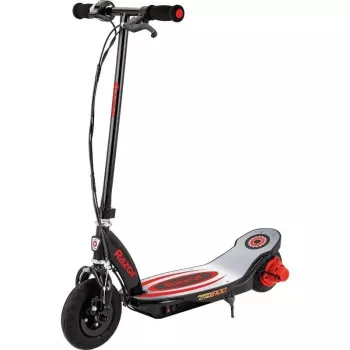
Electric Scooter for Kids 8+: a fun, kid-friendly option
For families shopping for an electric upgrade that still feels manageable for a growing rider, the Electric Scooter for Kids 8+ is designed with older kids in mind. It can be a good match for driveway practice, neighborhood loops, and weekend outdoor play—especially when paired with a properly fitted helmet and basic pads for a smoother learning curve.
At-a-glance
| Product | Age group | Price | Availability |
|---|---|---|---|
| Electric Scooter for Kids 8+ | 8+ | $309.51 | In stock |
Care, charging, and storage tips
When a different ride might be a better fit
- Not ready for powered speed yet: Start with a kick scooter to build balance and braking habits first, then transition to electric later.
- Driveway adventures with more parental control: A ride-on vehicle with a remote can keep the fun high while giving adults more oversight, such as the Kids’ 12V Ride On Land Rover with Remote Control and LED Lights.
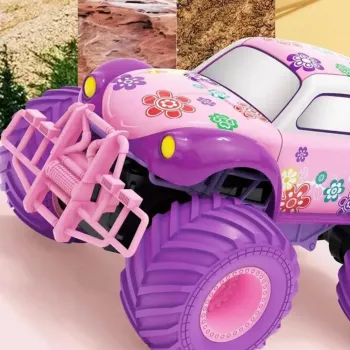
- Indoor/backyard hobby play: If street/path riding isn’t ideal in your area, an RC option can be a safer outlet for “speed cravings,” like the High-Speed 1/8 Scale Monster Tank RC Car.
FAQ
What age is appropriate for an electric scooter?
Readiness depends on your child’s size, coordination, and ability to follow rules consistently. Many scooters are designed for specific age ranges (such as 8+), and close supervision is especially important during the first few weeks of riding.
Do kids need a helmet on an electric scooter?
Yes—wearing a properly fitted helmet is strongly recommended and may be required by local law. Wrist guards and elbow/knee pads are also a smart add-on for beginners who are still learning how to brake and turn smoothly.
Where can kids ride an electric scooter safely?
Choose smooth, low-traffic areas where scooters are permitted, like quiet sidewalks or paved paths. Avoid roads with cars, steep hills, wet surfaces, and crowded pedestrian zones, and check local rules before riding.









Leave a comment