Easy-Clean 4-Piece Stainless Baby Feeding Set
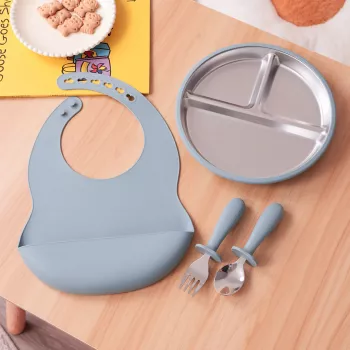
Mealtime gets easier when baby gear is simple to clean, comfortable to use, and sized for little hands. This 4-piece set pairs sturdy stainless steel feeding pieces with BPA-free utensils and a bib—built for everyday use at home or on the go, and designed to support early self-feeding routines. For more guidance, see Personalized Name Food Grade 6pcs Baby Feeding Set with Spoon ….
What’s in the set
This bundle is designed to cover the daily basics without overcomplicating your routine. You get durable stainless steel plate components plus BPA-free utensils that are easier for small hands to manage, along with a bib for the inevitable learning-stage mess. For further reading, see Stainless Steel Feeding Set for Babies & Toddlers 304 … – Instagram.
- 4-piece bundle designed for daily meals and snack times
- Stainless steel components for durability and long-term use
- BPA-free utensils made for small hands and gentle mouths
- Bib included to help reduce clothing changes during messy stages
Set at a glance
| Piece | Material | What it’s for |
|---|---|---|
| Detachable plate components | Stainless steel | Serving baby-sized portions; separates for easier washing and storage |
| Spoon | BPA-free material | Soft, baby-friendly feeding and early self-feeding practice |
| Fork | BPA-free material | Toddler practice with thicker foods and soft bites |
| Bib | Easy-clean material (varies by batch) | Helps catch spills and protect outfits during meals |
Why stainless steel can be a smart choice for baby meals
Stainless steel is a popular pick for families who want a plate that can handle real-life use: repeated washing, occasional drops, and foods that leave strong colors or smells behind. Compared with many porous materials, stainless steel tends to resist staining and lingering odors, which can make it feel fresher from meal to meal.
- Resists staining and holding onto odors compared with many porous materials
- Holds up well to frequent washing and everyday drops
- A practical option for parents who want a long-lasting feeding plate
- Often preferred for mixed-temperature foods because it doesn’t warp like some plastics
If you’re choosing feeding gear with materials in mind, it can also help to review current guidance on food-contact materials and baby feeding safety. The U.S. Food & Drug Administration’s overview of BPA in food contact applications is a useful reference point for families comparing options.
Detachable plates: how the design helps during real-life mealtimes
Detachable plate pieces are all about reducing friction in your routine. Instead of wrestling with hard-to-reach corners, separating components can make it simpler to wash thoroughly, dry completely, and store efficiently—especially when you’re cycling through multiple meals and snacks each day.
- Detachable pieces can make cleanup faster by reducing tight corners where food collects
- Easier stacking and packing for travel bags, daycare, or grandparents’ houses
- Helps portioning: use a single plate section for snacks or combine pieces for fuller meals
- Convenient for parents who batch-prep foods and rotate dishes throughout the day
A practical example: one section can hold soft fruit or toast strips for a quick snack, while combining sections can better separate textures (like yogurt plus soft-cooked veggies) when you’re offering variety. Just remember to check connection points during cleanup so no residue gets trapped after meals.
Utensils and comfort: supporting early self-feeding
Early self-feeding is messy by nature, but the right utensil shape can make the learning curve feel more manageable. BPA-free utensils are often chosen to align with common family preferences for baby feeding items, and a baby-sized handle can encourage a more stable grip as hand-to-mouth coordination develops.
- Baby utensils in BPA-free material to better match early feeding safety preferences
- Sized for small grips, encouraging hand-to-mouth coordination
- Useful for spoon-fed purees as well as thicker textures as baby advances
- Fork supports the transition to soft finger foods and toddler meals with supervision
As baby moves from smoother purees to thicker textures, utensils become less about “perfect bites” and more about practicing independence. For guidance on readiness and safe feeding progression, the American Academy of Pediatrics resource on starting solid foods is a reliable place to double-check timing and cues.
Bib basics: keeping mess manageable
A bib won’t stop every spill, but it can dramatically reduce the number of outfit changes in a week—especially during the grab-and-swipe stage. Keeping mess contained also helps make meals feel less stressful, which can support more consistent routines.
- Bib helps reduce laundry by catching drips and dropped bites
- Pairs well with high-chair routines and quick wipe-down cleanups
- Consider using a bib plus a washable mat under the chair during messy stages
- For travel, pack the bib in a wet bag to separate it from clean items
Care and cleaning tips
When this set fits best (ages and stages)
Pairing options: stainless steel vs. silicone sets
In-stock feeding picks
- 4PCS Stainless Steel Baby Feeding Set with Detachable Plates, BPA-Free Utensils & Bib
- 6PCS Silicone Baby Feeding Set with Lion Plate, Bib, Cup, Spoon & Fork
FAQ
Is the set safe for babies who mouth utensils and dishes?
The utensils are made with BPA-free material, but adult supervision is still important during meals. Wash before first use, inspect pieces regularly for damage or sharp edges, and replace any item that shows cracks, deep bite marks, or wear.
How do detachable plates help with cleanup and storage?
Separated parts can be easier to wash thoroughly, can dry faster, and often stack more compactly in cabinets or travel bags. During washing, check connection points and edges where small bits of food can get trapped.
What’s the best way to clean stainless steel baby plates?
Wash promptly with mild dish soap and a non-abrasive sponge, then rinse and fully dry before storing. Use a soft brush along seams and edges, and avoid harsh scouring pads that can scratch the surface.









Leave a comment