Drawer Changing Station with Safety Belt: Safety & Storage
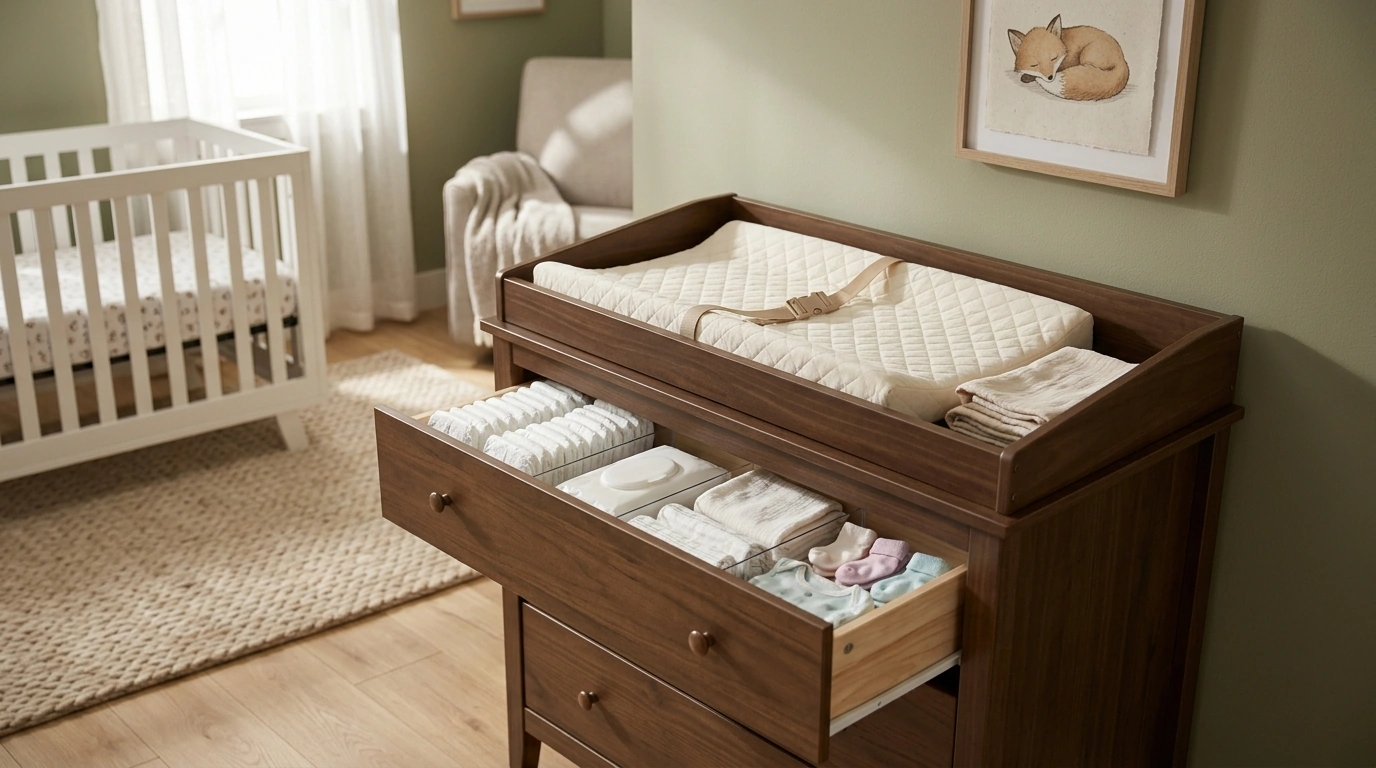
Drawer Baby Changing Station with Safety Belt: Safer Changes and Smarter Storage
A drawer-style changing station combines an elevated changing surface with built-in storage so essentials stay within reach during every diaper change. A safety belt adds an extra layer of security to help prevent slips and sudden wiggles—especially useful as babies become more active. This guide breaks down the features that matter most, how to set up a safer changing area, and what to look for in day-to-day use.
What a Drawer Changing Station Is (and Why It Works Well)
A drawer baby changing station is essentially a changing surface paired with a multi-drawer base. That combination is practical because it keeps the baby up at a comfortable height while keeping supplies organized directly underneath.
- A dedicated changing surface sits on top of a multi-drawer base, keeping diapers, wipes, creams, and spare outfits organized below.
- The safety belt is designed to help keep a baby positioned on the changing surface during brief moments when movement increases (it does not replace hands-on supervision).
- A higher work surface can reduce bending, which can be more comfortable during frequent changes throughout the day.
- Drawers create a consistent “everything has a place” routine, reducing the chance of turning away to search for supplies.
Safety Features to Prioritize During Every Change
Changing tables and dressers are safest when the setup reduces “reach-and-turn” moments and the structure stays stable under real daily use. For additional guidance, review safety info from HealthyChildren.org (AAP) and consumer alerts from the U.S. Consumer Product Safety Commission (CPSC).
- Safety belt: Confirm it’s easy to buckle and adjust quickly with one hand while the other hand stays on the baby.
- Sturdy construction: Look for a stable base that resists wobbling when drawers open and close.
- Guardrails and changing area edges: Raised edges can help reduce rolling risk when paired with a properly fitted changing pad.
- Secure placement: Keep the station away from cords, blinds, heaters, and furniture the baby could grab as they grow.
- Non-slip changing pad fit: Use a pad that sits securely and does not shift; keep the surface dry and clean to prevent slipping.
Storage That Actually Helps: Organizing the Drawers
Drawer storage is most useful when it supports one-handed access. When supplies are predictable, changes feel calmer and faster—especially overnight or during fussier moments.
- Top drawer: high-frequency items (diapers, wipes, diaper cream, disposable bags) for fastest access.
- Middle drawer: backup supplies (refill wipes, extra diapers in next size, burp cloths, changing pad covers).
- Bottom drawer: larger items (swaddles, sleep sacks, spare outfits, seasonal layers).
- Use small bins or dividers so one-handed retrieval stays simple, even in low light.
- Keep a compact “blowout kit” together (extra outfit, wipes, diaper bags) to avoid leaving the baby unattended.
If you like having a “ready-to-grab” backup outfit on hand, keep a soft, easy-change option folded in the bottom drawer—like the Girls Knit Sweater Dress with Heart Print & Ruffle Collar—so you can swap clothes quickly without hunting through closets.
Placement and Setup Tips for a Calmer Changing Routine
Even the best changing station performs poorly if it’s placed in a cramped corner or surrounded by tempting cords and dangling items. A thoughtful setup lowers stress and reduces rushed movements.
- Choose a spot with good lighting and enough space to stand comfortably without bumping into doors or furniture.
- Keep a lidded trash can or diaper pail within arm’s reach but positioned so the baby cannot access it later.
- Store items so the belt can be fastened immediately, then reach for supplies without turning away.
- If using drawer liners or dividers, secure them so they don’t slide when drawers open quickly.
- Maintain a clear top surface: only the changing pad and a few essentials should be on top to reduce clutter and distractions.
Quick Checklist: What to Compare Before Buying
Small design differences matter when you’re using a changing station multiple times a day. Compare the belt, stability, and drawer function first—then move to fit and finish.
Feature Comparison Checklist
| What to check | Why it matters | What to look for |
|---|---|---|
| Safety belt | Helps reduce sudden slips during active phases | Adjustable length, secure buckle, easy one-hand fastening |
| Drawer capacity | Keeps supplies within reach to avoid turning away | 3+ drawers, smooth glide, space for bins/dividers |
| Stability | Prevents wobble when opening drawers or leaning in | Solid base, balanced weight, minimal rocking |
| Changing surface edges | Adds a boundary alongside hands-on supervision | Raised sides/guardrails and a stable pad fit |
| Cleanability | Diaper changes are messy; surfaces need frequent wiping | Sealed/finished surface that tolerates gentle cleaners |
Daily Use and Care: Keeping It Safe and Looking New
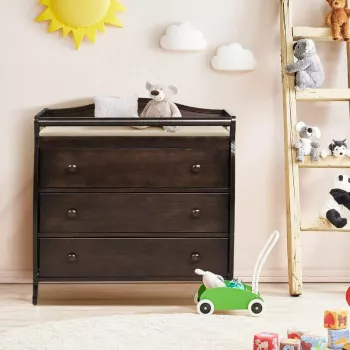
Product Spotlight: Brown 3-Drawer Baby Changing Station with Safety Belt
FAQ
Is a safety belt enough to prevent falls on a changing station?
No. A safety belt can help reduce slipping during wiggly moments, but constant hands-on supervision is still required—never leave a baby unattended, and keep supplies within arm’s reach.
What size changing pad works best on a drawer changing station?
The best pad is one that matches the changing surface dimensions closely, sits flat without overhang, and stays stable. Look for a non-slip base or a pad that fits securely so it won’t shift during changes.
How should the drawers be organized for safer diaper changes?
Keep the most-used items (diapers, wipes, cream) in the top drawer so you don’t need to turn away, backups in the middle, and heavier or bulkier items in the bottom drawer to help maintain stability.






Leave a comment