Connected at Home: 7 Days of Easy Family Bonding
What “bonding” looks like in everyday life
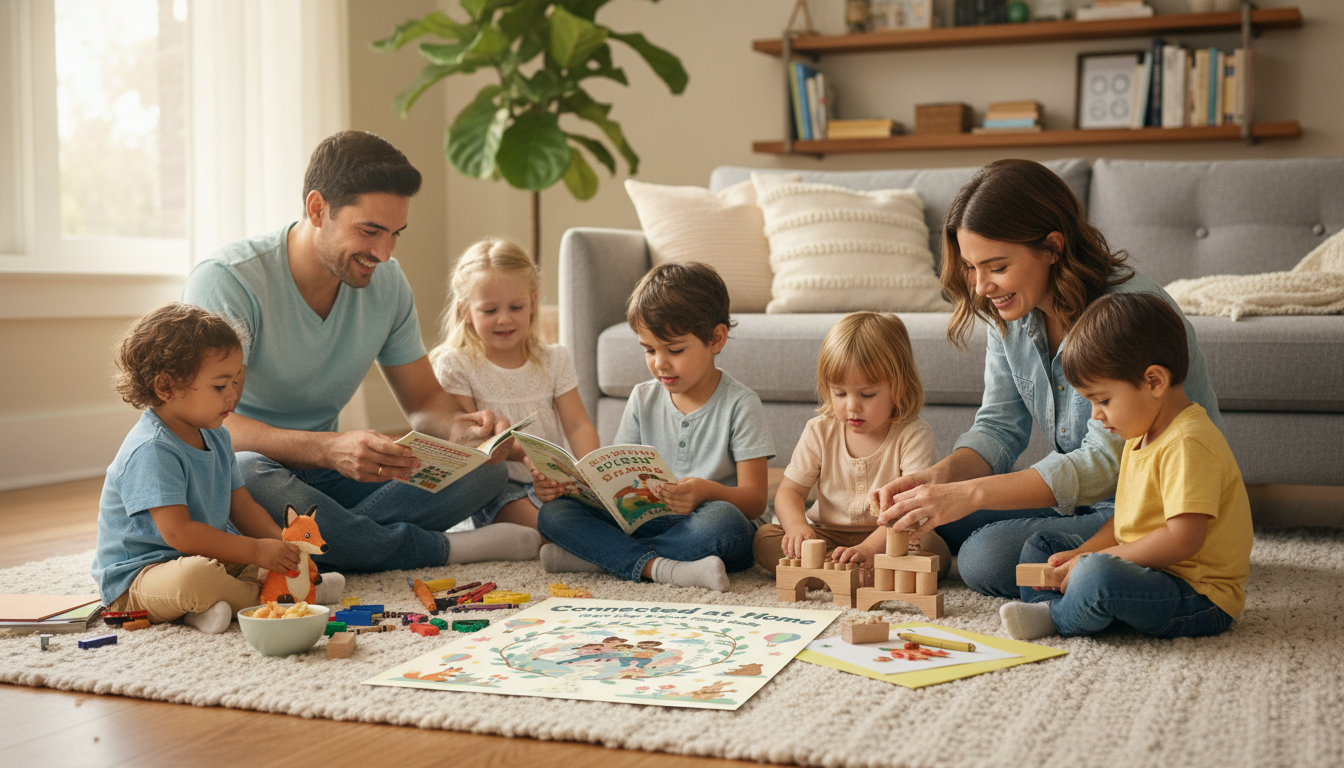
Family bonding doesn’t have to look like a picture-perfect game night or a weekend getaway. In real homes, connection is built through frequent small interactions—warmth, attention, and simple responsiveness. When a child shows you a drawing and you pause to look, when a teen talks from the other room and you answer with genuine interest, those moments add up.
Consistency tends to matter more than intensity. A few minutes of reliable connection most days often does more for closeness than a rare, “big” event that takes lots of planning. Different ages also connect differently: toddlers bond through play and proximity, grade-school kids through shared activities and storytelling, and teens through mutual interests, respect, and autonomy.
Look for “micro-moments” already built into your day—greetings, transitions, and bedtime are natural windows for closeness because they’re predictable and repeated. When you treat these as mini-rituals instead of rushed chores, the whole home feels more connected.
Set the tone with simple family rituals (5 minutes or less)
Rituals are small repeatable actions that tell everyone, “You matter here.” To keep it realistic, choose one anchor ritual for each part of the day: morning, after school/work, and bedtime. Start with just one if that’s all that fits.
A simple favorite is the “high–low–hope” check-in: one good thing, one hard thing, and one thing you’re looking forward to. It’s fast, it works for kids and adults, and it normalizes talking about both wins and challenges. At bedtime, a consistent closing gesture—one short story, a quick gratitude round, or even the same phrase every night—adds security and calm.
Once a week, try a short “family huddle” to plan one shared activity and one helpful task everyone supports. Keeping it brief helps it actually happen.
| Time | Ritual | How long | Why it helps |
|---|---|---|---|
| Morning | Two-minute cuddle + one intention for the day | 2–3 min | Starts the day with attention and calm |
| After school/work | Snack + “tell me one moment” | 5–10 min | Eases transitions and invites sharing |
| Dinner | Rose–thorn–bud (good, hard, next) | 5 min | Builds communication and empathy |
| Bedtime | Gratitude round + calming breath | 3–7 min | Signals safety, helps sleep, strengthens closeness |
Screen-smart connection: make tech support togetherness
Screens can pull families apart—or they can become a shared space when you’re intentional. Pick one “together screen” activity per week: sort family photos and make an album, play a cooperative game, plan a weekend outing, or watch a recipe video and cook it together. The goal isn’t more screen time; it’s shared time.
Boundaries work best when they feel fair and simple. A shared charging spot (kitchen counter, hallway shelf) and one short device-free window daily can reduce power struggles. If you want a clear structure, the American Academy of Pediatrics offers a helpful Family Media Plan that makes expectations easier to discuss and maintain.
For older kids, invite them to teach you something on a screen—editing a photo, making a playlist, or customizing a game setting. When they’re the “expert,” screens shift from isolation to collaboration.
Low-prep bonding activities for different ages
Bonding doesn’t require special supplies; it requires shared attention. Keep a short “menu” of options so you’re not trying to invent fun while you’re tired.
Ages 2–5
Ages 6–9
Ages 10–13
Teens
Turn chores into teamwork (and reduce battles)
Chores become less tense when they include connection. Fold laundry while sharing stories, do a clean-up race with music, or cook together with assigned roles. “Serve and return” interactions—when one person initiates and the other responds—are a powerful way to build relationships, and Harvard’s Center on the Developing Child explains why these back-and-forth moments matter for connection across ages (Serve and Return).
Conversation starters that invite real sharing
A simple 7-day connection plan (repeatable)
Family routines can be protective in stressful seasons; the American Psychological Association notes that routines support well-being and stability (protective effects of family routines).
Family bonding toolkit (printable-style prompts and activities)
If you want something structured and easy to revisit, Connected at Home: Simple Ways to Spark Family Bonding | Digital Family Guide for Meaningful Connection, Practical Tips & Activities | Best Way to Encourage Family Bonding Time at Home includes practical prompts, routines, and at-home activity ideas designed for real schedules.
To reduce the chaos that crowds out connection, a streamlined schedule helps—especially with multiple kids and activities. Using AI to Organize Kids’ Schedule | Digital Guide for Parents on How to Use AI to Organize Family Schedule can support planning so family time isn’t always last-minute.
For a simple “home base” where pens, checklists, and routine cards don’t disappear, a tidy workspace can help the whole household stay on track. The Creative Hollow Star Desk Organizer – Pen & Brush Holder for Office or Study is a practical spot for supplies used in daily rituals and weekly huddles.
FAQ
What’s the simplest way to encourage family bonding at home when everyone is busy?
Pick one daily ritual that takes under five minutes (a check-in, gratitude round, or bedtime phrase) and one weekly shared activity. Keeping it consistent and low-pressure makes it sustainable.
How can families bond without relying on screens?
Use low-prep options like a walk, cooking together, a read-aloud, a puzzle, or a quick scavenger hunt. Tie a short device-free window to a transition you already have, like right after dinner.
How do you get teens to participate in family time?
Offer autonomy and collaboration: let teens choose the activity sometimes, keep it brief, and try side-by-side conversation (driving, walking, cooking). Aim for connection without forcing immediate emotional sharing.









Leave a comment