Child Door & Window Alarm Lock: Home & Hotel Safety
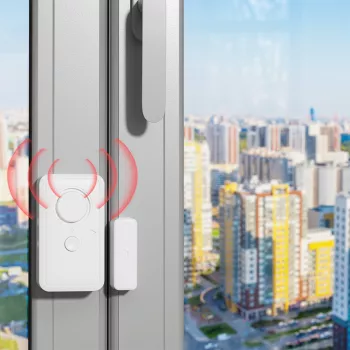
Children Safety Door & Window Alarm Lock for Home and Hotel Protection
Keeping kids safely inside and giving caregivers an early warning when a door or window opens can reduce stressful “where did they go?” moments at home and while traveling. A compact door/window alarm lock adds a simple layer of protection: it helps limit access to exits and alerts adults to unexpected openings, especially during naps, nighttime, or busy transitions in hotels and rentals.
Why door and window alarms matter for child safety
Doors, sliders, and low or easily reached windows are common “curiosity points” for toddlers and preschoolers—especially during transitions when adults are distracted. A door and window alarm lock helps by combining two important safety benefits: deterrence and notification.
- Reduces the chance of an unsupervised exit by adding a barrier and/or alert at common escape points like entry doors, balcony sliders, and accessible windows.
- Provides an immediate sound cue that can help caregivers respond quickly, including in noisy environments or unfamiliar hotel layouts.
- Supports safer routines during high-distraction times (packing, checking in/out, meal prep, bedtime).
- Adds peace of mind for families who travel with toddlers who can quietly roam or reach door handles earlier than expected.
For broader home safety context—especially for windows and fall prevention—authoritative resources like the U.S. Consumer Product Safety Commission’s window fall prevention guidance and the American Academy of Pediatrics home safety tips are helpful references.
What this alarm lock is designed to do
A child-focused door/window alarm lock is best thought of as a portable “extra set of ears.” It’s designed to help deter opening and/or trigger an alert when an opening is moved (depending on the configuration and placement), giving adults a faster chance to intervene.
- Acts as a child-focused add-on for doors and windows to help deter opening and/or trigger an alarm when the door/window is moved (depending on configuration and placement).
- Works well for common travel scenarios: hotel room doors, patio doors, and accessible windows that open to hallways, balconies, or ground level.
- Offers a lightweight, compact safety tool that fits easily in a suitcase or diaper bag for consistent use across locations.
- Best used as a secondary safety measure alongside active supervision and existing locks/latches.
If you want a simple, travel-friendly option to keep in your home safety kit, see Children Safety Door & Window Alarm Lock for Home and Hotel Protection.
Where it helps most: home vs. hotel vs. rentals
Different spaces create different risks. What feels routine at home can become unpredictable in a hotel or rental—new door hardware, unfamiliar layouts, and tempting balcony access can quickly change the safety picture.
- Home: place on frequently used exterior doors, basement doors, garage-entry doors, or low windows that a child can reach.
- Hotel: prioritize the main door and any balcony/patio access; consider windows that open wide enough for a child to fit through.
- Short-term rentals: check all exits on arrival—sliding doors, back doors, and ground-floor windows can differ from what children are used to at home.
- Multi-caregiver households: an audible alarm helps everyone notice an opening, even if the nearest adult is not the primary caregiver.
Quick placement checklist for common layouts
| Location | Priority spots | Why it matters | Notes |
|---|---|---|---|
| Apartment/Home | Front door, balcony door, ground-floor windows | Most likely exit points for wandering | Test alarm volume from bedroom and kitchen |
| Hotel room | Entry door, patio/balcony slider, accessible window | Unfamiliar environment; hallways/balconies can be risky | Confirm placement won’t damage surfaces |
| Short-term rental | Back door, pool-facing doors, basement/garage entry | Hidden exits and outdoor hazards vary by property | Do a full “exit sweep” on arrival |
| Visiting family/friends | Any door leading outside, low windows near furniture | Kids can climb to reach windows/handles | Re-check after furniture moves |
Choosing a safe setup and using it consistently
For busy families, routines are easier to stick with when they’re written down and shared. If you’re coordinating caregivers, nap windows, and travel days, Using AI to Organize Kids’ Schedule can help streamline the daily “who’s watching what, when” plan.
Limitations and safety notes
- It’s an alert system, not supervision: it should support safer habits rather than replace them.
- Plan for emergency egress: adults should be able to exit quickly in case of fire or other emergencies; avoid setups that delay adult escape routes. The NFPA’s home fire escape planning guidance is a strong reference for keeping exits usable.
- Test audibility and sensitivity: volume and triggering can vary by placement; test from the rooms where caregivers will be (bedrooms, bathroom, kitchen).
- Avoid creating a climbing target: do not place items beneath windows that encourage climbing, even if an alarm is installed.
- Respect hotel rules: follow property policies and avoid permanent adhesives or modifications where prohibited.
Simple steps for installation, testing, and daily use
Who this is a good fit for
FAQ
Will a door and window alarm lock damage hotel doors or windows?
Many are designed for temporary placement, but it depends on the mounting method and the surface finish. Check the instructions, choose removable options when possible, and follow hotel policies—testing on a small, inconspicuous area first can help avoid surprises.
Can this replace adult supervision?
No. It’s an added layer of protection that can alert you faster, but it doesn’t replace supervision, safe routines, or properly secured locks and latches.
Where should it be placed for the best alert?
Prioritize the main exit door first, then any balcony or patio doors; for windows, choose those a child can reach or that open wide enough to pose a risk. After placement, test that the alarm is clearly audible from sleeping areas and other common caregiver locations.










Leave a comment