Baby Gear on a Budget: Checklist, Essentials & Savings Plan
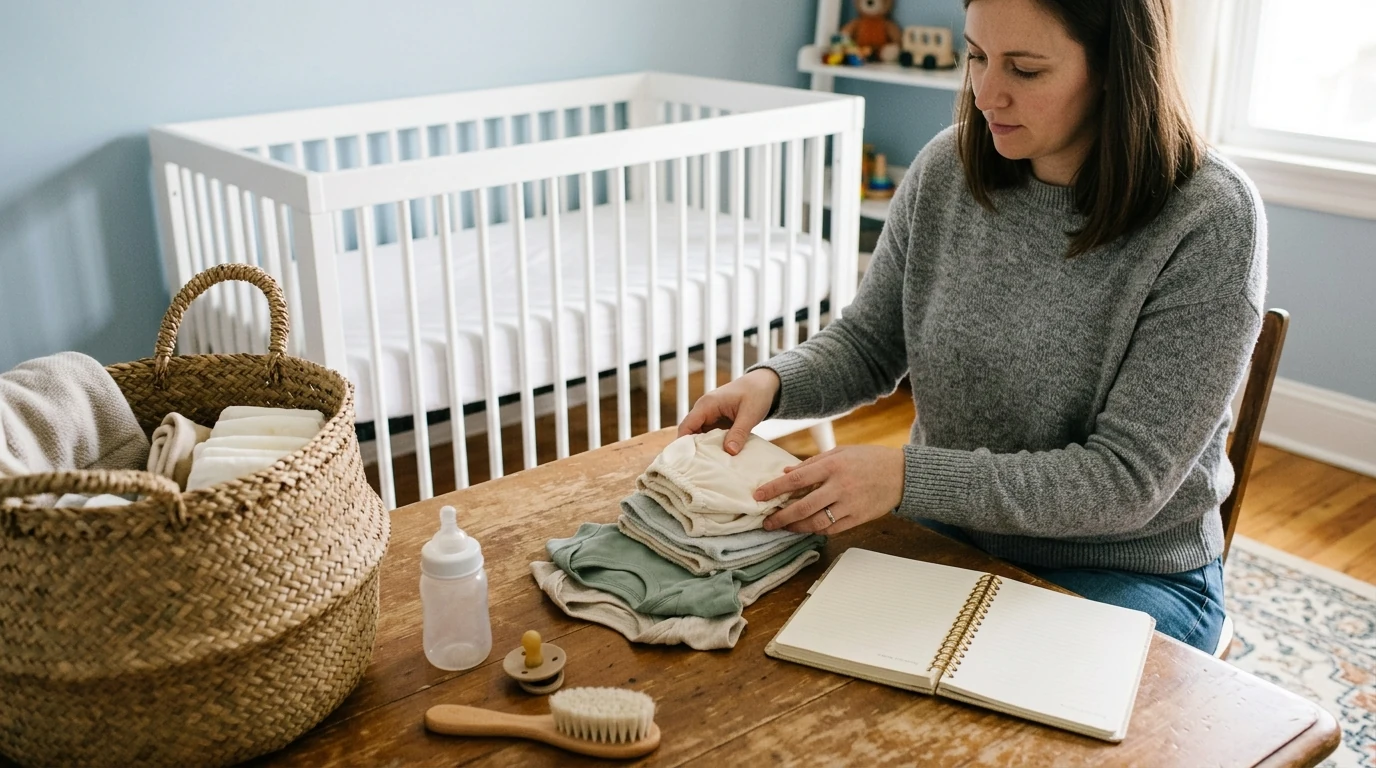
Baby Gear on a Budget: Printable Checklist, Frugal Essentials, and a Simple Savings Plan
Building a baby setup doesn’t have to mean buying everything new—or buying everything at once. A budget-friendly approach focuses on safety-first essentials, smart timing, and a repeatable system for tracking what’s truly needed versus what’s nice to have. Use the checklist and savings planner mindset below to prioritize purchases, compare options, and avoid costly duplicates.
Start with the “need it now” list (and ignore the noise)
The easiest way to stay on budget is to plan for the first 2–4 weeks only. That window covers the core routines: feeding, diapering, sleep, basic clothing, and safe transport. Everything else can be evaluated once real life (and your baby) sets the pace.
- Define the first month: feeding supplies that match your plan, a safe sleep space, diapers/wipes, a small clothing capsule, and a properly installed car seat.
- Separate essentials from convenience: convenience items can be great, but only after you’ve identified the problem they solve (time, space, mobility, reflux, blowouts, etc.).
- Create one “staging area” at home: a single shelf/basket/bin for backup supplies prevents duplicate purchases and forgotten returns.
- Set category caps before shopping: pick a hard dollar limit for sleep, feeding, diapering, travel, and health/care so “small add-ons” don’t quietly become a second stroller.
If a simple system would help, the Printable Baby Gear on a Budget Checklist & Savings Planner keeps essentials, optional items, and “wait until baby arrives” decisions in one place.
A frugal baby gear plan by category
Think “safe baseline first, upgrades later.” Start with one reliable option per category, then add extras only when they reduce friction in your daily routine.
Sleep
- Prioritize a safe sleep space first (firm surface + fitted sheet). Add extras only if they solve a clear problem, like needing a second fitted sheet set for middle-of-the-night changes.
- Follow current guidance for safe sleep practices from the American Academy of Pediatrics (AAP).
Diapering
- Start small with a trial-size approach: a couple of small packs in one or two brands, plus wipes and a barrier cream.
- Stock up only after you know what fits your baby’s body shape and what their skin tolerates.
Feeding
- Buy based on your feeding method (breastfeeding, pumping, formula, combo).
- Avoid large bottle sets until your baby shows a preference; some babies strongly dislike certain nipples or flow speeds.
Clothing
- Focus on weather-appropriate basics you can rotate easily.
- Skip excessive newborn sizes; many babies outgrow them quickly, and laundry frequency matters more than sheer quantity.
For budget-friendly “nice to have” clothing that’s more relevant after the newborn stage, consider one versatile outfit instead of multiple specialty pieces—like the Girls Knit Sweater Dress with Heart Print & Ruffle Collar for cooler months.
Bathing & care
Budget map: what to buy first, what can wait, and where to save
| Category | Buy first (essential) | Can wait | Best ways to save |
|---|---|---|---|
| Sleep | Safe crib/bassinet setup (firm mattress, fitted sheet) | Extra sleep accessories, specialty swaddles beyond 1–2 | Buy used furniture only if it meets current safety standards; avoid older/drop-side cribs; watch for recalls |
| Diapering | Diapers (small starter supply), wipes, diaper cream | Wipe warmers, large organizers | Subscribe-and-save for refills; try store brands; stock up only after a brand works |
| Feeding | A few bottles or nursing basics (based on plan), burp cloths | Bottle sterilizer machines, large bottle bundles | Buy small sets; look for registry completion discounts; consider borrowing pumps via insurance options |
| Clothing | 7–10 simple outfits, socks, 1–2 warm layers | Shoes, fancy outfits, lots of newborn size | Accept hand-me-downs; shop seasonal clearance one size up |
| Travel | Car seat (new), stroller or carrier as needed | Travel systems if not needed, multiple strollers | Buy stroller/carrier used if in good condition; buy car seats new and check expiration dates |
What not to buy used (and what’s usually fine secondhand)
- Avoid used car seats unless you know the full history and the seat is unexpired, uncrashed, and complete with labels and manual. Review basics from NHTSA’s car seat safety resources.
- Avoid older cribs that don’t meet current standards. Verify model numbers and recall status using the U.S. Consumer Product Safety Commission (CPSC) recalls page.
- Usually fine secondhand: clothing, books, many toys, maternity items, and non-safety baby furniture in good condition.
- Sanitize and inspect: check for missing parts, sharp edges, mold, frayed straps, and broken buckles.
- Quick safety check: “Is it recalled? Does it have all parts? Is it cleanable? Does it fit baby’s age/size?”
Smart timing: when to buy, when to wait
A simple savings system that actually works
Printable checklist & planner: turn decisions into a one-glance plan
To keep everything organized, use the Baby Gear on a Budget printable checklist and savings planner as a single source of truth for your purchases.
Common budget traps (and easy fixes)
FAQ
What baby items are worth buying new even on a tight budget?
Buy safety-critical items new whenever possible—especially a car seat and a crib mattress. If you consider secondhand gear, confirm it meets current standards, is complete, and has no recall or missing-history risks.
How many baby outfits are actually needed for the first month?
A practical range is about 7–10 simple outfits, plus socks and 1–2 warm layers depending on weather and laundry frequency. Keep newborn sizes minimal and shift more of your budget to 0–3 months.
How can new parents avoid overspending on baby gear they won’t use?
Use a wait-and-see list and a 72-hour rule for non-urgent purchases, and test preference-based items in small quantities first. Category caps and a return-deadline tracker make it easier to say no to duplicates and upgrades you don’t need.






Leave a comment