At-Home Baby Growth Tracker Checklist (Length, Weight, Head)
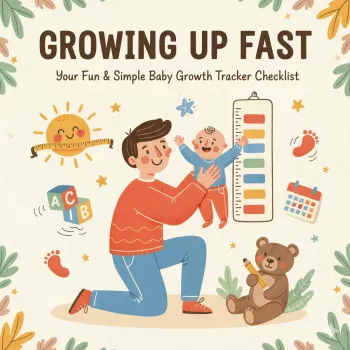
Baby Growth Tracker Checklist: A Fun, Simple Way to Measure at Home
Tracking a baby’s growth at home can be simple, reassuring, and even enjoyable when it follows a repeatable routine. With a few basic measurements, a consistent schedule, and quick notes that add context, you can build a clear record you’ll be glad to have later—without turning it into a daily stressor. Below is a practical, parent-friendly checklist approach for what to measure, how often to check, and how to write it down in a way that stays useful.
What “growth tracking” means (and what it doesn’t)
Home growth tracking is mainly about noticing patterns over time. It focuses on consistent measurements such as length, weight, and head circumference—plus a few notes that help explain normal ups and downs (like growth spurts or illness).
It’s also a great memory-keeping tool: you’ll remember when a sleeper size changed, when naps shifted, or when rolling and sitting took off. That said, home tracking doesn’t replace pediatric visits, professional measurements, or medical growth charts. For trusted references, the CDC growth charts and the WHO child growth standards are widely used, and pediatric guidance is available at HealthyChildren.org (American Academy of Pediatrics).
Consistency matters more than perfection. Measuring at a similar time of day, using the same tools, and keeping clothing/diaper conditions similar helps reduce confusing “swings” that are really just measurement differences.
What to measure at home: the simple set
Length
Length is best measured with two adults when possible—one to keep the head positioned and one to align the legs. For consistency, record to the nearest 0.25 inch (or 0.5 cm) so you’re comparing “like to like” over time.
Weight
A baby scale is ideal, but not required. If you’re using an adult scale, weigh yourself first, then weigh yourself holding the baby. Subtract the two numbers, and note that it’s an estimate (especially if your scale rounds aggressively).
Head circumference
Measure above the eyebrows and around the widest part of the back of the head. Keep the tape snug but not tight. This can be surprisingly tricky at first, so a repeat-and-confirm approach helps.
Notes that help later
Alongside measurements, jot down quick context: feeding changes, sleep shifts, illness, suspected growth spurts, and new skills (rolling, sitting, crawling, standing). These notes often explain why a month looked “different” without turning your tracker into a long journal.
How often to track (a realistic rhythm)
A good home rhythm is one that fits real life. Early on, babies change fast, but frequent weighing can also increase worry. A reasonable baseline looks like this:
| Age range | How often to measure | What to record |
|---|---|---|
| 0–3 months | Weekly or every 2 weeks | Weight, length, head circumference, brief notes |
| 3–12 months | Monthly | Weight, length, head circumference, sizes, milestones |
| 12–24 months | Every 2–3 months | Height/length, weight, clothing size notes, milestones |
If your baby seems unwell, is feeding poorly, or you’re worried about growth, it’s better to contact a pediatrician than to increase home measurements and second-guess every number.
Step-by-step: measuring length, weight, and head size with fewer frustrations
Measuring length
Lay your baby on a firm, flat surface. Align the head to a fixed edge (a book or a sturdy box can help). Gently straighten the legs without forcing them, mark where the heel lands, then measure between the head edge and the heel mark. If your baby wiggles, repeat and take the most consistent result.
Weighing
Weigh at roughly the same time of day each session (many parents choose after a diaper change). If you use an adult scale, repeat the two-weigh method twice and average the result. Always note the method used so you remember whether a number came from a baby scale or an estimate.
Measuring head circumference
Wrap a flexible tape measure above the eyebrows and around the widest part of the back of the head. Take three measurements and record the largest—this mirrors a common pediatric approach for reducing error when the tape slips or hair changes the fit.
Record the “why it might look off” details
Each entry should include the date, your baby’s age (weeks or months), and anything that could affect results (recent feeding, diaper on/off, illness, extra squirmy day). That small context keeps the record meaningful months later.
The checklist method: turning measurements into an easy habit
A checklist turns “I should track this sometime” into a routine that happens almost automatically.
Printable tracker option: simple, fun, and ready to use
For a ready-to-go option, see the Baby Growth Tracker Checklist printable digital download. If you like keeping family routines streamlined, the Using AI to organize kids’ schedule (digital guide) can pair nicely with a monthly tracking day by helping you set recurring reminders and organize home “admin” tasks.
When to contact a pediatrician instead of relying on home tracking
FAQ
How can baby’s growth be measured at home accurately?
Use the same tools and measure at a similar time of day, with similar clothing/diaper conditions. Measure length with two adults when possible, take three head circumference readings and record the largest, and always note whether weight came from a baby scale or an adult-scale estimate.
How often should baby’s weight and length be checked at home?
Weekly or every two weeks can be workable from 0–3 months, then monthly from 3–12 months, and every 2–3 months after 12 months for memory-keeping. Daily weighing is usually unnecessary unless a clinician specifically recommends it.
What should be written down besides measurements?
Add short notes on feeding changes, sleep shifts, illnesses, diaper/clothing size changes, and new milestones. These details often explain normal fluctuations and make the record far more helpful later.










Leave a comment