4-in-1 Baby Carrier with Cute Hat: Safe, Comfy Fit
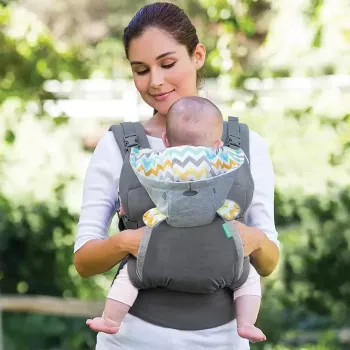
4-in-1 Baby Carrier with Cute Hat: Comfortable Carrying for Everyday Outings
A well-designed baby carrier can turn quick errands and longer walks into calmer, hands-free moments. A 4-in-1 baby carrier with a cute hat is made for flexible carrying positions as baby grows, while helping distribute weight more comfortably for the adult. Below is a practical breakdown of carry options, comfort features to look for, safety checks to follow, and simple care tips—plus a quick comparison table to help decide if it fits typical routines.
What “4-in-1” Carrying Typically Means
“4-in-1” usually refers to multiple carry modes intended to match developmental stages and different activities—soothing at home versus sightseeing on a walk. Exact configurations depend on the model, but most include variations of front, hip, and back carry.
- Multiple carry modes are intended to match developmental stages and different activities (soothing at home vs. sightseeing on a walk).
- Common configurations include inward-facing front carry, outward-facing front carry, hip carry, and back carry (exact modes depend on the model).
- Inward-facing positions are often preferred for younger babies who need more head/neck support and closeness.
- Outward-facing can be useful in short bursts for curious babies with steady head control; comfort and overstimulation are common limits.
- Hip and back carries can help redistribute weight for longer outings once baby is heavier and has stronger trunk control.
Carry Modes at a Glance
| Carry mode | Best for | What to check before using |
|---|---|---|
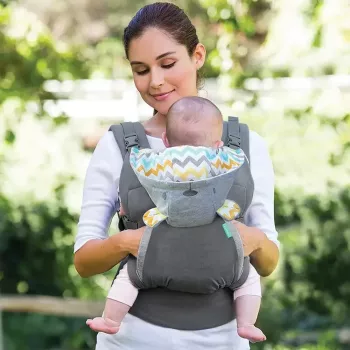
| Front carry (inward-facing) | Bonding, naps, newborn-style closeness | Airway clear, chin off chest; snug enough to kiss; head supported as needed |
| Front carry (outward-facing) | Short walks, looking around | Baby has strong head control; limit time; watch for chin-to-chest and overstimulation |
| Hip carry | Quick ups/downs, errands | Seat supported knee-to-knee; adult shoulder/waist straps balanced |
| Back carry | Longer wear with heavier babies/toddlers | High and snug placement; secure fasteners; practice over a bed or with a helper first |
Comfort Features That Matter for Adult and Baby
Comfort is what turns babywearing from “possible” to “actually doable” on a busy day. Look for features that help both the wearer and the baby stay supported as minutes turn into miles.
- A supportive waistband can move some load from shoulders to hips; this often helps during longer wear sessions.
- Wide, adjustable shoulder straps help spread pressure and allow different body types to fit comfortably.
- A structured seat area supports baby in a natural, tucked posture rather than letting the legs dangle straight down.
- Breathable materials can improve comfort in warmer weather; consider layering choices instead of over-bundling inside the carrier.
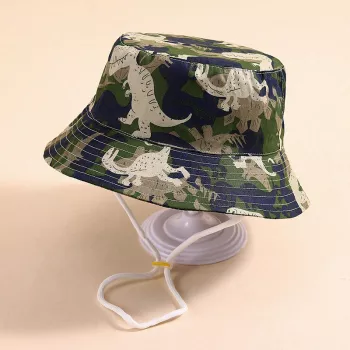
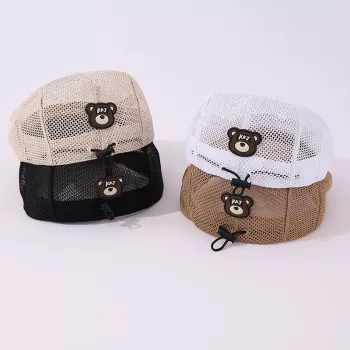
- A cute hat adds warmth and sun/wind coverage; ensure it doesn’t obstruct baby’s breathing or vision and remove it indoors if overheating is possible.
- If sharing the carrier between caregivers, look for quick, intuitive adjustments so fit stays consistent and safe.
For additional guidance on safe babywearing basics, the American Academy of Pediatrics offers an overview worth reviewing at HealthyChildren.org. If hip positioning is a top concern, the International Hip Dysplasia Institute also explains what supportive “M-position” seating looks like.
Fit and Safety Checks Before Every Outing
A carrier can feel secure and still need small adjustments. A quick “pre-walk check” helps keep baby comfortable while reducing strain on your shoulders and back.
- Airway: keep baby’s face visible and uncovered; baby’s chin should not be forced to the chest.
- Height: baby should ride high enough to monitor easily; a common quick check is that baby can be kissed on the top of the head without straining.
- Snugness: the carrier should hold baby close so there’s no slumping; looseness can increase pressure on baby’s airway and the adult’s back.
- Seat support: aim for a supported seat with baby’s knees higher than the bottom (a comfortable, tucked posture).
- Fasteners and stitching: confirm buckles are clicked, webbing is threaded correctly, and there is no twisting of straps.
- Movement: for bending, bend at the knees; keep one hand on baby for extra security when adjusting positions.
For broader product-safety information and recalls, it’s also smart to periodically check the Consumer Product Safety Commission safety education resources.
How to Use the Cute Hat Comfortably
The included hat can be more than a photo-ready accessory when it’s used with comfort in mind. The main goal is warmth and coverage without restricting breathing or trapping too much heat.
Care, Cleaning, and Everyday Durability
Who This Style of Carrier Fits Best
In-Stock Picks for Outings
- 4-in-1 Baby Carrier with Cute Hat ($48.51) — designed for multiple carry positions as your little one grows.
- Girls Knit Sweater Dress with Heart Print & Ruffle Collar ($18.97) — a cozy layer option for cooler outings.
FAQ
When can a baby face outward in a carrier?
Generally once baby has strong head and neck control. Keep sessions short, monitor comfort and breathing, and switch back to inward-facing if baby seems tired or overstimulated.
How tight should a baby carrier be?
Snug enough that baby stays close without slumping and the face remains visible and uncovered. A loose fit can strain the adult’s back and may compromise baby’s airway.
Is it safe for a baby to nap in a carrier while wearing a hat?
It can be, but the hat must not cover the face or push the chin down. Check frequently for clear breathing, normal color, and signs of overheating.








Leave a comment