3-in-1 Baby Car Seat: ISOFIX and Stroller Fit Guide
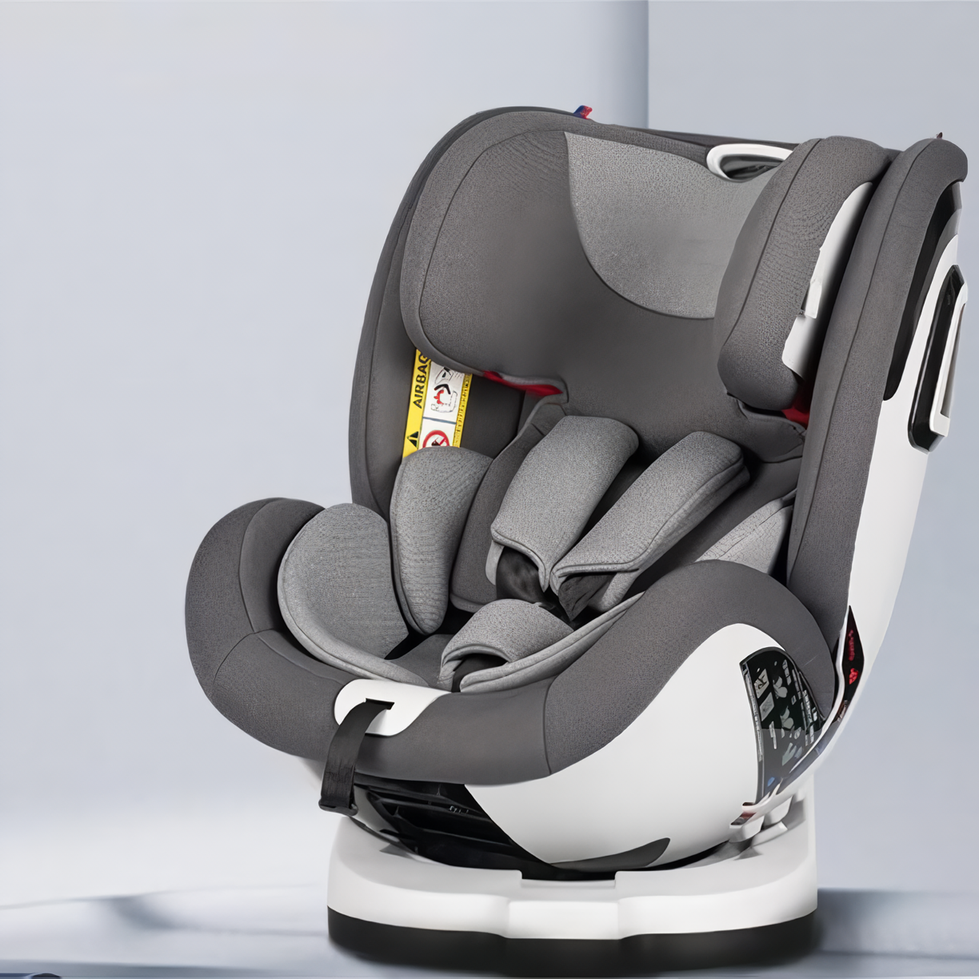
40% off on product page · save $519.20
3-in-1 Baby Car Seat: ISOFIX and Stroller Fit Guide

Start with your child’s current fit
The 0–36 kg range in the name of our 3-in-1 Baby Car Seat with Isofix Connect and Stroller Compatibility for 0–36kg is not a substitute for its mode-by-mode instructions. Confirm the permitted height and weight, required recline, and harness position for the way you intend to use the seat now. A child must meet the requirements for a mode before you use it, even if they fall within the product’s overall weight range.
Keep your child rear-facing until they reach the rear-facing height or weight limit specified for their seat. Age alone is not a reason to turn a seat forward-facing. When a transition is due, read the next mode’s minimum requirements and installation directions before making the change. The National Highway Traffic Safety Administration’s car seat guidance can help you understand the stages, while your seat manual provides the instructions for your particular model.
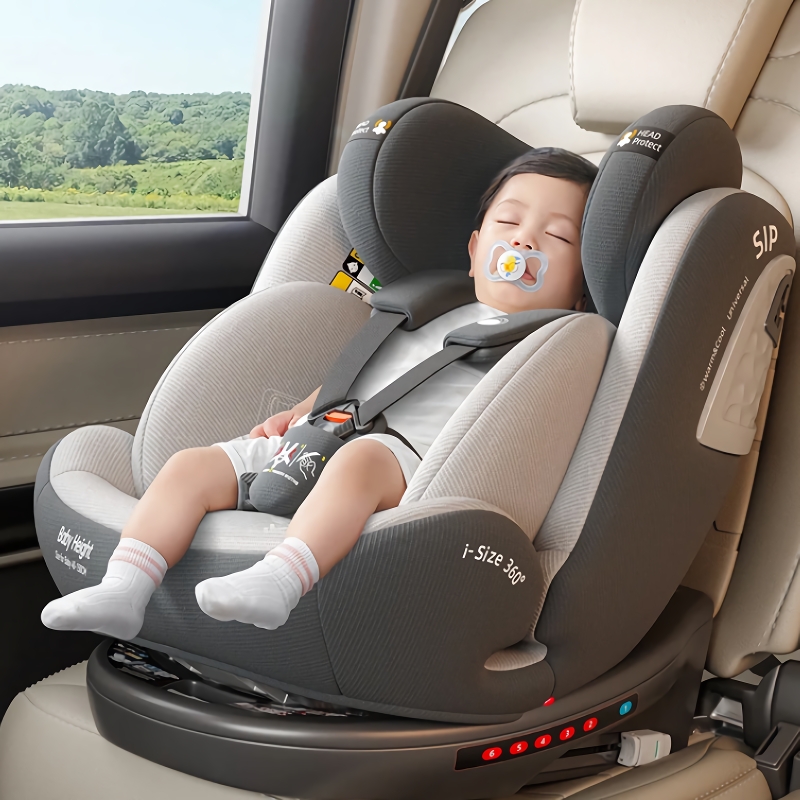
For every harnessed ride, use the strap position directed by the manual and tighten the harness so it fits snugly. Avoid bulky coats or thick layers under the straps; they can interfere with a snug fit. Dress your child in thinner layers for the ride and add warmth over the fastened harness if needed.
Know when a change of mode is due
| Stage | Decision to make |
|---|---|
| Rear-facing | Keep your child rear-facing within the seat’s stated limits; follow its recline and harness directions. |
| Forward-facing with a harness | Transition only after your child outgrows rear-facing use and meets the next mode’s minimum requirements. Follow any top-tether instructions. |
| Booster | Confirm your child meets the booster requirements and can maintain the required seating position and lap-and-shoulder belt fit throughout the ride. |
For each harnessed ride, use the strap position specified for that mode and tighten the harness snugly. Keep bulky coats and thick layers out from under the straps; add warmth over the fastened harness instead.
Featured in this guide
3-in-1 Baby Car Seat with Isofix Connect and Stroller Compatibility for 0-36kg
Make ISOFIX work for your vehicle
ISOFIX connect is useful only when the seat, your vehicle’s anchor points, and your chosen seating position are compatible. Read both manuals to identify approved positions and the installation method for your child’s current mode.
Do not assume the same method applies at every stage. Follow any directions for a top tether, support leg, or vehicle belt in the applicable configuration; do not combine methods unless the instructions permit it. Test movement at the location and against the limit specified in the car seat manual. If you cannot achieve a secure installation, ask a qualified child passenger safety technician for help before traveling.
Confirm the exact stroller pairing
Stroller compatibility does not mean universal attachment. Identify your stroller model, confirm whether an approved adapter is needed, and follow both manufacturers’ attachment directions. Verify the connection is secure as instructed before moving the stroller.
A car seat on a stroller is not a replacement for a safe sleep space. Follow the positioning and supervision instructions, and move a sleeping baby to an appropriate sleep space when you reach your destination.
Prepare for the first trip
Install the seat well before departure so you have time to resolve questions. For a longer drive with a young baby, ask your pediatrician about individual health concerns and plan stops for feeding, changes, and time out of the seat. Never leave a baby unattended in a vehicle.
If you pack a warmer outfit such as our Girls Knit Sweater Dress with Heart Print & Ruffle Collar, put bulky layers on after your child is out of the harness rather than beneath its straps.
FAQ
Can I take my 2 month old baby on a road trip?
Ask your baby’s pediatrician about individual needs. Use a correctly installed, appropriately fitted rear-facing seat and plan regular stops to care for your baby outside the seat.
What age should a baby be in a car seat?
A baby should ride in an appropriately fitted, rear-facing car seat from the first car trip. Choose and use the seat according to your child’s size and the seat’s instructions, not age alone.
What car seat for each age?
Choose by size and readiness rather than age alone: rear-facing within the seat’s limits, then forward-facing with a harness, then a booster when its requirements are met.
See if 3-in-1 Baby Car Seat with Isofix Connect and Stroller Compatibility for 0-36kg fits your setup








Leave a comment