1:14 24-Channel Alloy RC Excavator for Real Digging
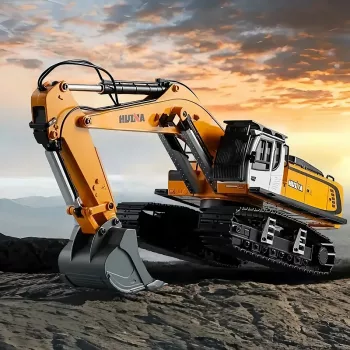
1:14 Scale High-Precision 24-Channel Alloy RC Excavator
If you’ve ever watched full-size construction equipment and wondered why most RC versions feel “toy-like,” it usually comes down to two things: limited controls and lightweight build. A 1:14 scale, 24-channel RC excavator changes that equation by offering more independent movements and a sturdier, more planted feel—so digging, lifting, swinging, and placement look and feel closer to real equipment. The result is a model that rewards careful input, supports realistic work sequences, and holds up better during outdoor sessions. For more guidance, see Centennial Way Traffic Signal Improvements Project.
What makes a 24-channel excavator feel realistic
More channels generally means more actions can be controlled separately rather than bundled into simplified motions. That independence is what makes an excavator session feel like “operating” instead of merely “playing.” You can set the machine, reach out, load the bucket, swing to a dump point, and return—without constantly compromising on movement. For further reading, see MDF History | ORNL.
- Multi-function control enables separate movements for boom, stick, bucket, rotation, and driving without relying on simplified combo motions.
- Finer control steps help with careful scooping, grading, and placing small loads rather than jerky, all-or-nothing actions.
- More independent functions support realistic sequences: stabilizing position, rotating the house, extending reach, then dumping cleanly.
- A 1:14 scale format balances presence and practicality: large enough to look detailed, manageable enough for indoor or backyard use.
Common control functions and what they enable
| Control area | What it does | Practical use |
|---|---|---|
| Boom / main arm | Raises and lowers the arm | Adjust digging depth and lift height |
| Stick / second arm | Extends and retracts reach | Pull material toward the machine or reach farther out |
| Bucket | Curls and dumps | Scoop, carry, level, and unload |
| Upper structure rotation | Turns the cab/house left and right | Swing spoil piles aside without moving the tracks |
| Drive / steering | Moves forward/back and turns | Reposition for better approach angles |
Alloy construction: durability, weight, and feel
Alloy components change the whole character of an RC excavator. Where plastics can flex under load, alloy sections tend to hold their shape better, which helps your movements stay predictable—especially when the bucket is loaded and the arm is extended.
- Alloy parts typically add stiffness where it matters most (arm components, body panels, or key structural sections), reducing flex during digging motions.
- Added mass can improve traction and stability, especially when lifting or swinging a loaded bucket.
- Metal components often resist cosmetic wear better than thin plastics when used outdoors on gravel, sand, or packed soil.
- A heavier model may require more mindful handling during transport and storage; a stable surface helps protect detail parts.
For shoppers who like checking device compliance details on electronics, the FCC’s equipment authorization database is a helpful reference point for products that list an FCC ID: FCC Equipment Authorization. For general toy safety context, ASTM’s overview of F963 is a solid starting place: ASTM F963 overview.
High-precision operation: how to get smoother digging and placement
Precision improves quickly with a few repeatable habits. The key is to “stack” small, intentional movements rather than holding a control until something happens.
- Start with small bucket movements: curl slightly to bite into material, then lift with the boom while drawing the stick in.
- Use rotation to minimize track movement: swing the upper structure to deposit material instead of driving back and forth.
- Practice feathering motions—short bursts rather than long holds—to avoid overshoot when placing material into a small target area.
- Work in layers when excavating: skim and lift gradually rather than trying to take a full bucket from compacted ground in one pass.
- If operating on loose sand, reduce bucket curl speed and lift speed to keep loads from spilling during swing.
A simple drill that builds control: make a small trench, create a neat spoil pile to one side using only swing, then “backfill” the trench with short bucket dumps. It’s surprisingly satisfying—and it highlights why extra channels and finer steps matter.
Where it fits: home sandbox, hobby display, and skill practice
This scale and control style works best when you can set up a little jobsite—nothing huge, just enough room to swing and reposition without bumping into everything.
If the goal is hands-on machine operation, the 1:14 Scale High-Precision 24-Channel Alloy RC Excavator is built for controlled digging and careful placement. For a very different kind of RC session—fast runs, rough terrain, and big movement—the High-Speed 1/8 Scale Monster Tank RC Car is a strong companion pick. And for family driveway cruising with a kid-friendly format, consider the Kids’ 12V Ride On Land Rover with Remote Control and LED Lights.
Care, storage, and long-term performance
Choosing the right RC construction model for the job
Product details at a glance
Purchase information
| Item | Price | Availability |
|---|---|---|
| 1:14 Scale High-Precision 24-Channel Alloy RC Excavator | 1111.99 USD | In stock |
FAQ
Is a 24-channel RC excavator difficult to control?
It can look complex at first, but it becomes intuitive with a little practice. Start by mastering driving plus boom/stick/bucket, then add upper-structure rotation and smaller “feathered” movements for precision.
Can it dig in dirt or gravel?
It performs best in sand and loose soil, where the bucket can bite without excessive force. Light gravel is fine for scooping and moving small amounts, but forcing the bucket into compacted ground or large rocks can strain mechanisms.
How should it be cleaned after outdoor use?
Brush grit out of joints and linkages, wipe surfaces dry, and check screws occasionally for loosening. Store it in a dry place and avoid getting water into moving or electronic areas.









Leave a comment