Infant Car Seat Limits: When Is It Time to Switch?
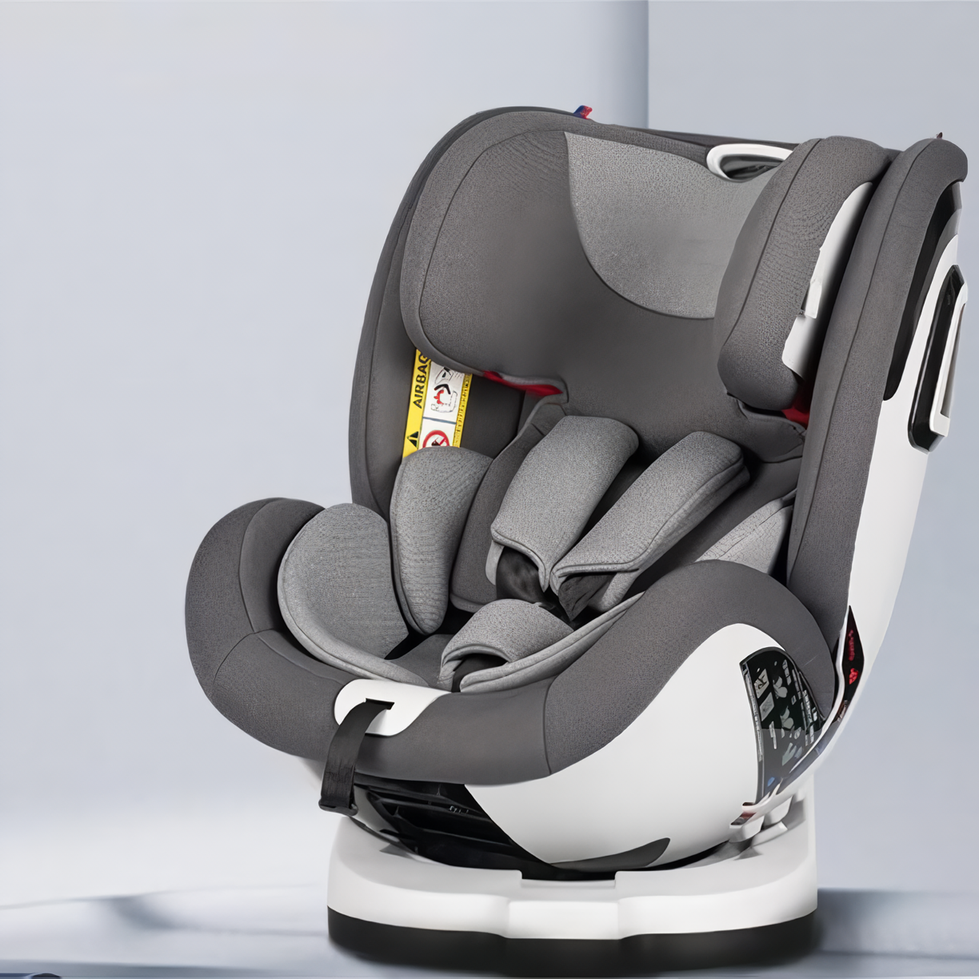
40% off on product page · save $519.20
Infant Car Seat Limits: When Is It Time to Switch?

When Do Babies Outgrow an Infant Car Seat?
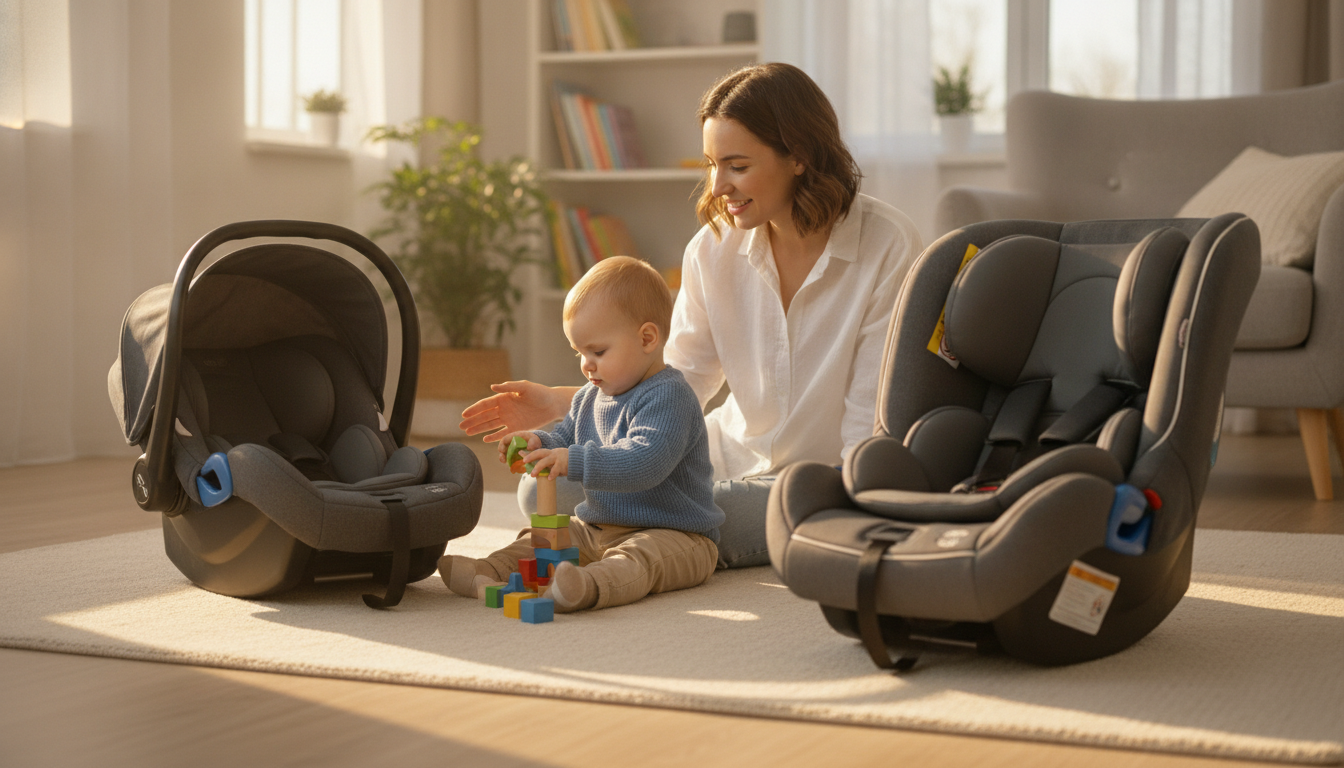
Many babies outgrow an infant car seat sometime between their first and second birthdays, but age alone does not determine when it is time to move. Your baby has outgrown the seat when they reach its stated height or weight limit, or when they no longer meet the manufacturer’s head-position requirements, even if they are younger than you expected.
Check the product’s listed specifications when evaluating when do babies outgrow an infant car seat.
How Can You Tell Your Baby Needs a New Seat?
Measure your baby’s height and weight and compare both with the limits in your infant seat’s manual; reaching either limit means you need another seat. Also check the manual’s instructions for head clearance, because many infant seats require at least one inch of space between the top of the child’s head and the top of the seat’s shell, although requirements can vary.
Featured in this guide
3-in-1 Baby Car Seat with Isofix Connect and Stroller Compatibility for 0-36kg
What Comes After an Infant Car Seat?
When your baby outgrows an infant-only seat, you can usually move to a convertible or other suitable car seat installed rear-facing, provided your child fits within that seat’s rear-facing height and weight limits. You do not need to wait until your baby reaches the infant seat’s maximum size to make the change, so switching earlier may be practical if carrying the infant seat has become difficult or you prefer to leave the new seat installed in the car.
Should Your Baby Face Forward After the Switch?
Moving out of an infant seat does not mean your baby is ready to face forward: we recommend keeping your child rear-facing until they reach the maximum rear-facing height or weight allowed by their next seat and following applicable state laws. Our 3-in-1 baby car seat guide covers the featured 3-in-1 Baby Car Seat with Isofix Connect and Stroller Compatibility for 0–36 kg; use its manual to determine the limits and installation requirements for each seating mode.
FAQ
When can I transition out of an infant car seat?
You can transition before your baby reaches the infant seat’s limits, as long as the next seat fits your child and is installed correctly in the appropriate rear-facing mode. You must transition when your baby reaches a height or weight limit or no longer meets the infant seat’s head-clearance requirements.
See if 3-in-1 Baby Car Seat with Isofix Connect and Stroller Compatibility for 0-36kg fits your setup








Leave a comment