Do All Plastic Cups Release Microplastics? What to Know
82% off on product page · save $29.63
Do All Plastic Cups Release Microplastics? What to Know
Can every plastic cup release microplastics?
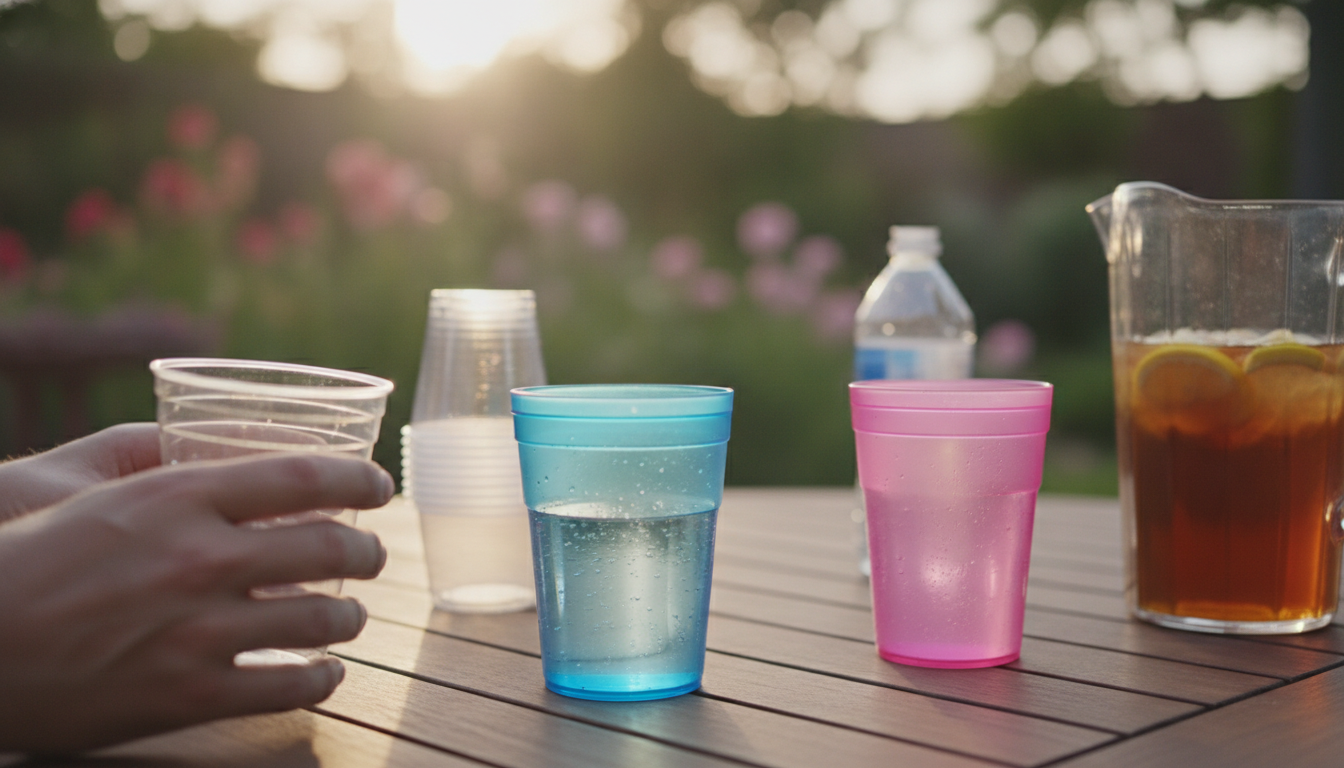
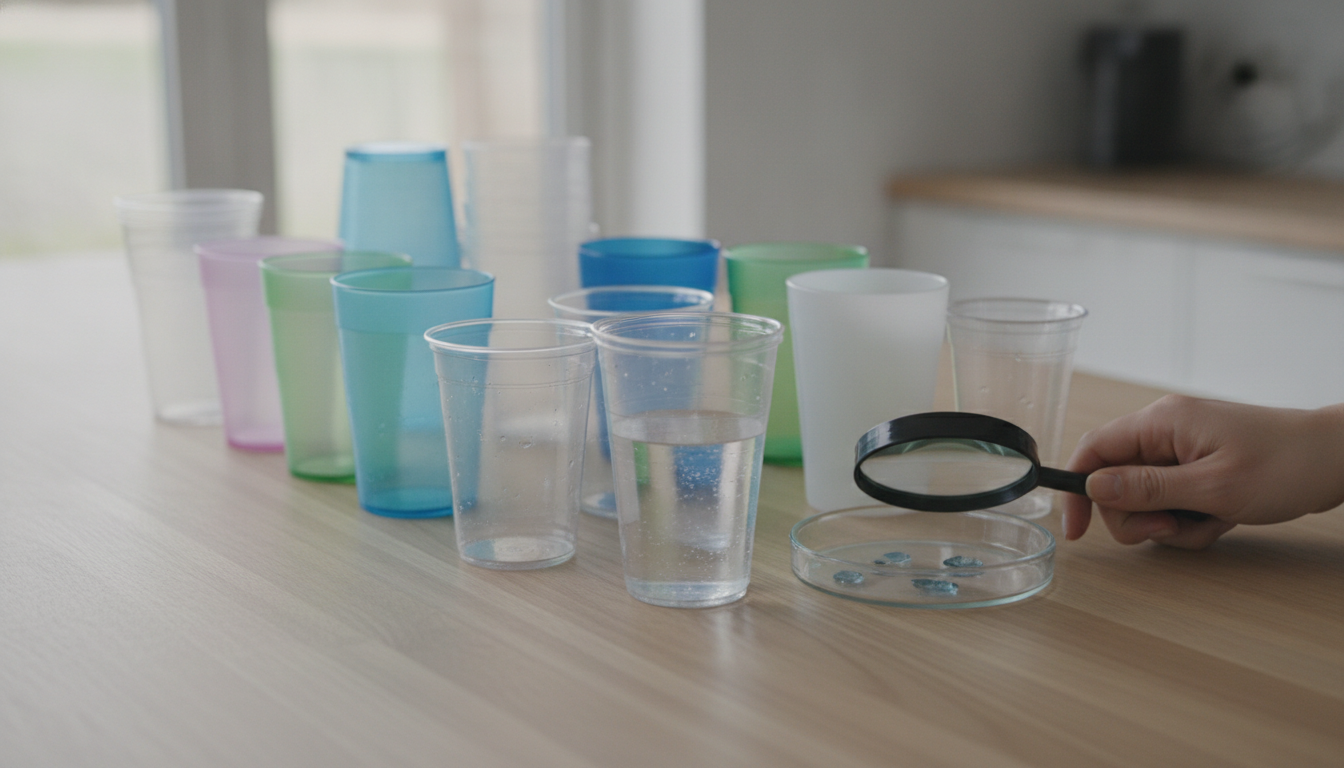
Plastic cups can release tiny plastic particles as their surfaces wear, but that does not mean every cup releases them every time you use it. The material, temperature, age, and condition of a cup, along with how you clean and use it, can affect whether particles are shed.
Hot liquids, scratches, and repeated abrasion can contribute to wear, so you may want to replace a plastic cup when it becomes heavily scratched, cracked, or visibly worn. If reducing contact with plastic is your priority, you can also choose a cup made from another food-contact material for everyday drinks.
How do other cup materials compare?
Glass and uncoated stainless steel are common alternatives to plastic for the cup body, although a lid, straw, seal, or coating may still contain plastic or silicone. For a young child, consider both the material and practical handling: glass can break, while a durable cup with handles may be easier for small hands to hold.
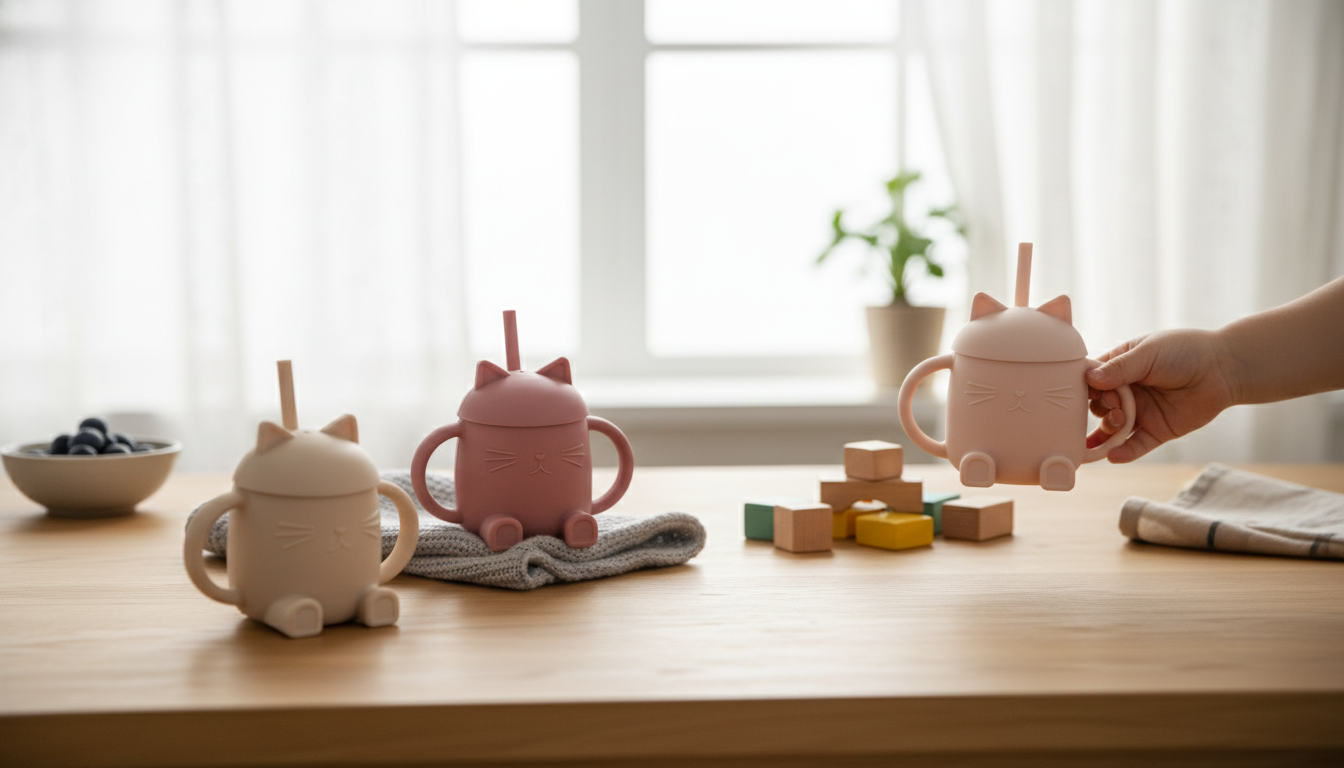
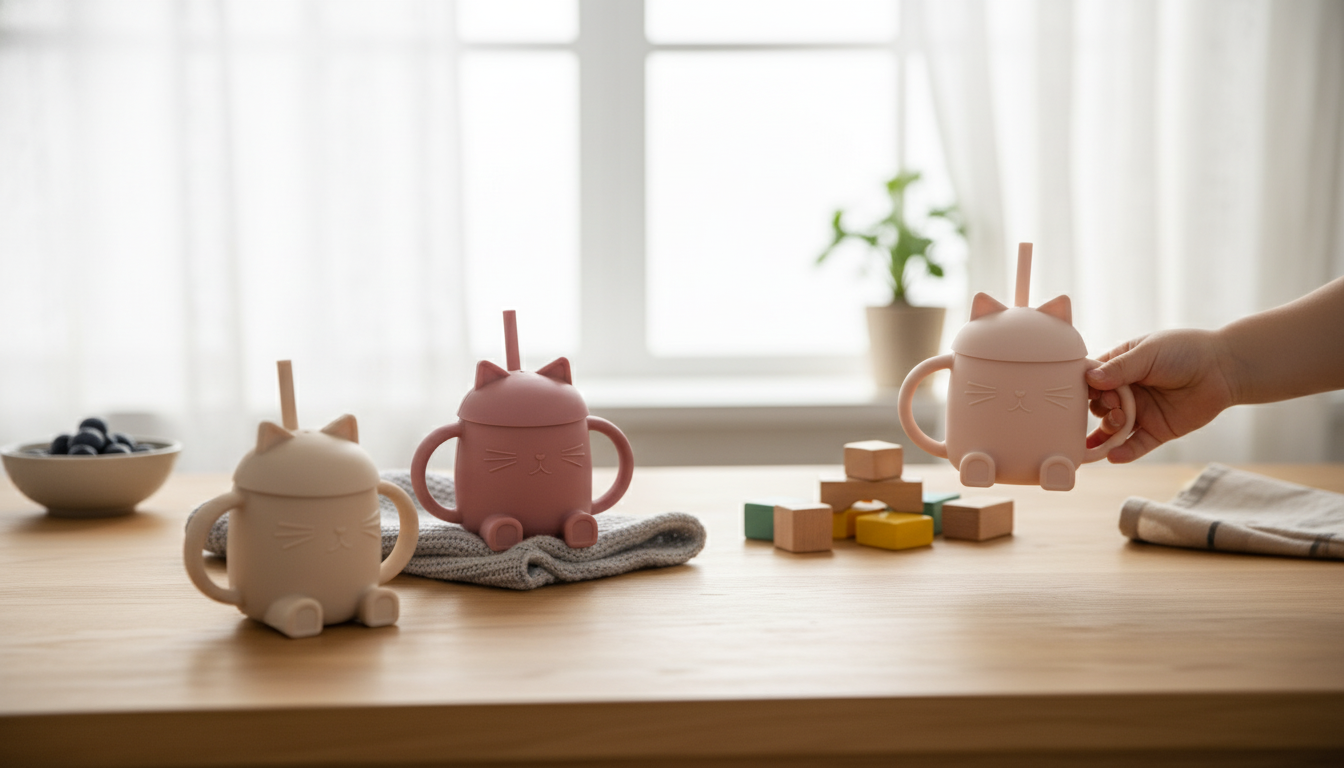
Silicone is a different material from conventional plastic, but you should not assume that a silicone cup can never shed particles as it ages or wears. Our Baby Silicone Cat Lid Sippy Cup with Handles is a BPA-free toddler drinking cup to consider when you are comparing materials and cup styles.
Featured in this guide
Baby Silicone Cat Lid Sippy Cup with Handles – BPA Free Toddler Drinking Cup
How can you reduce wear on a cup?
Wash cups gently according to their care instructions, and avoid abrasive scrubbers that can scratch the drinking surface. For plastic cups, letting very hot drinks cool before serving is a practical way to limit exposure to heat while also helping protect your child from burns.
Inspect the cup and its lid, handles, seals, and straw regularly for cracks, rough areas, or loose pieces, and stop using any damaged part. If you choose a cup with multiple components, clean each accessible part thoroughly and reassemble it before use so your child can drink comfortably.
FAQ
Do Ziploc bags give off microplastics?
Ziploc bags are plastic, so wear or damage can cause them to shed small plastic particles. To reduce wear, avoid scrubbing or repeatedly reusing damaged bags, and follow the manufacturer’s directions for temperature and food use.
See if Baby Silicone Cat Lid Sippy Cup with Handles – BPA Free Toddler Drinking Cup fits your setup






Leave a comment