Are Smart Watches Actually Good at Tracking Sleep?
25% off on product page · save $4.00
Are Smart Watches Actually Good at Tracking Sleep?
How useful are smartwatches for sleep tracking?
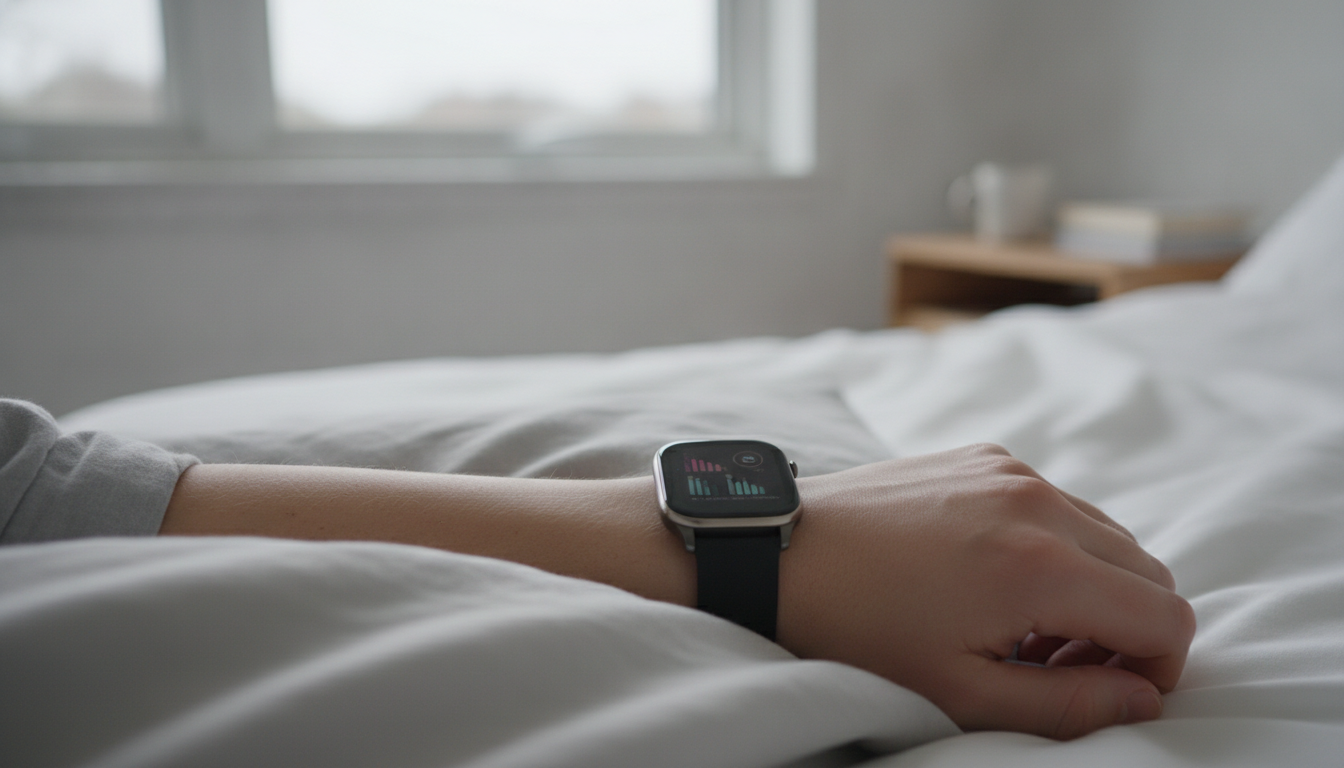
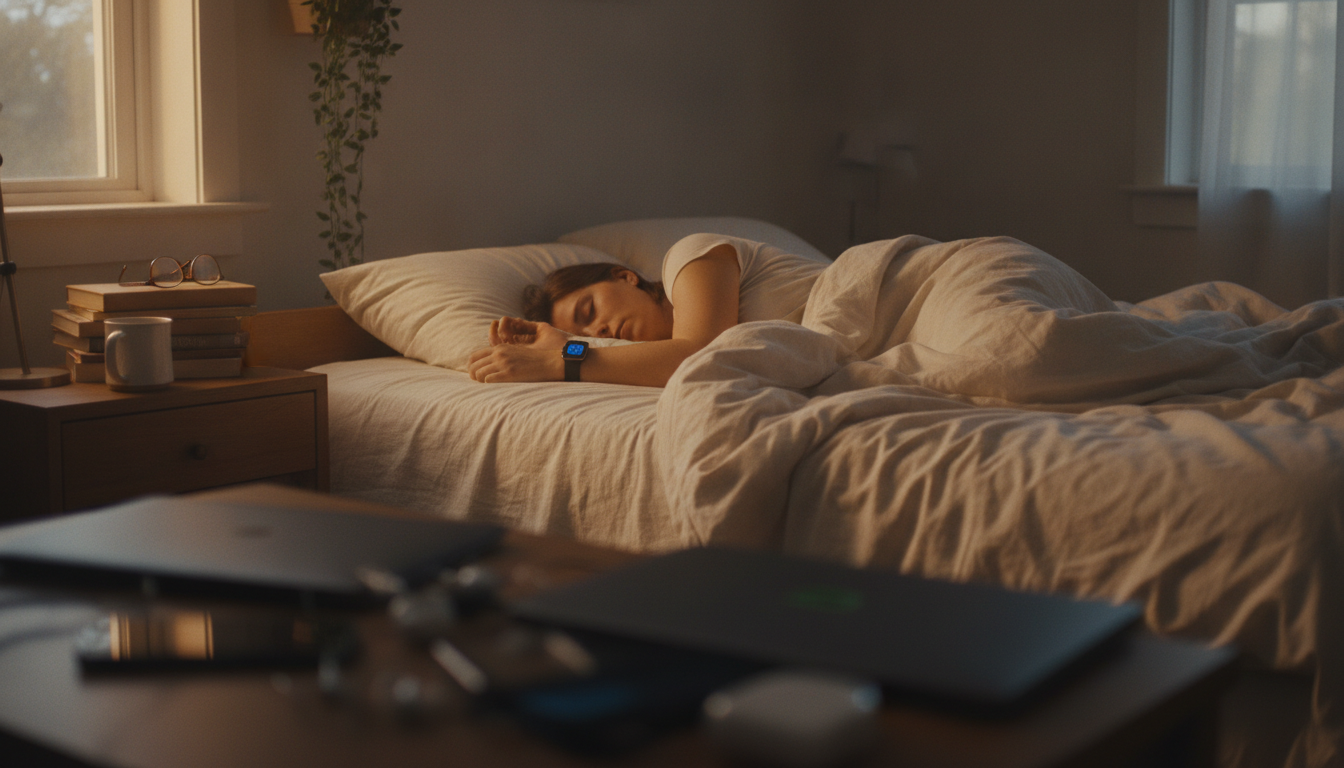
Smartwatches can be useful for spotting patterns in your sleep, such as a later bedtime, shorter nights, or changes in your usual schedule. They estimate sleep from signals such as movement and heart rate, so we suggest treating the results as a guide to your habits rather than a precise measure of every minute you spend asleep.
What can you learn from the results?
You can compare your bedtime, estimated sleep duration, and wake time over several days to see whether a routine change seems to fit your life. Sleep-stage charts can offer another perspective, but a watch cannot tell you exactly when you enter each stage, and a good-looking score does not necessarily mean you feel rested.
Featured in this guide
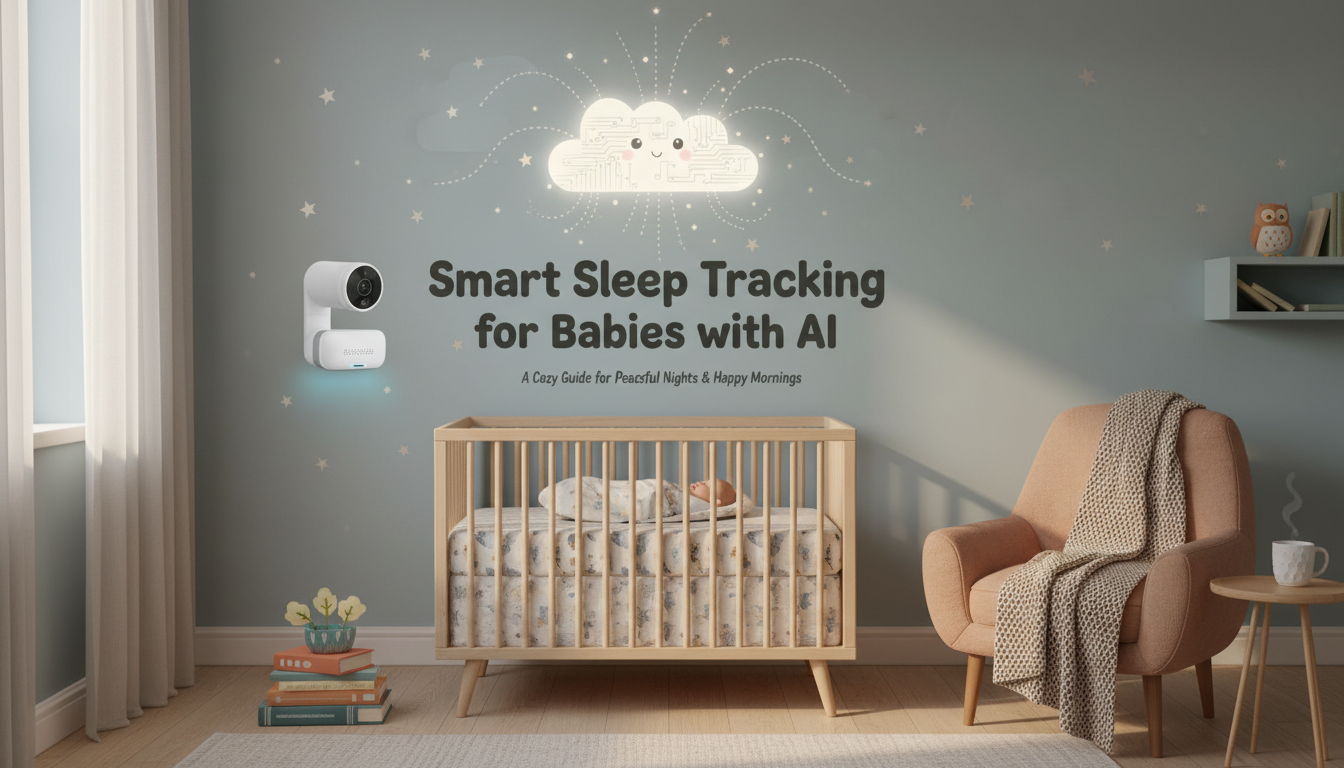
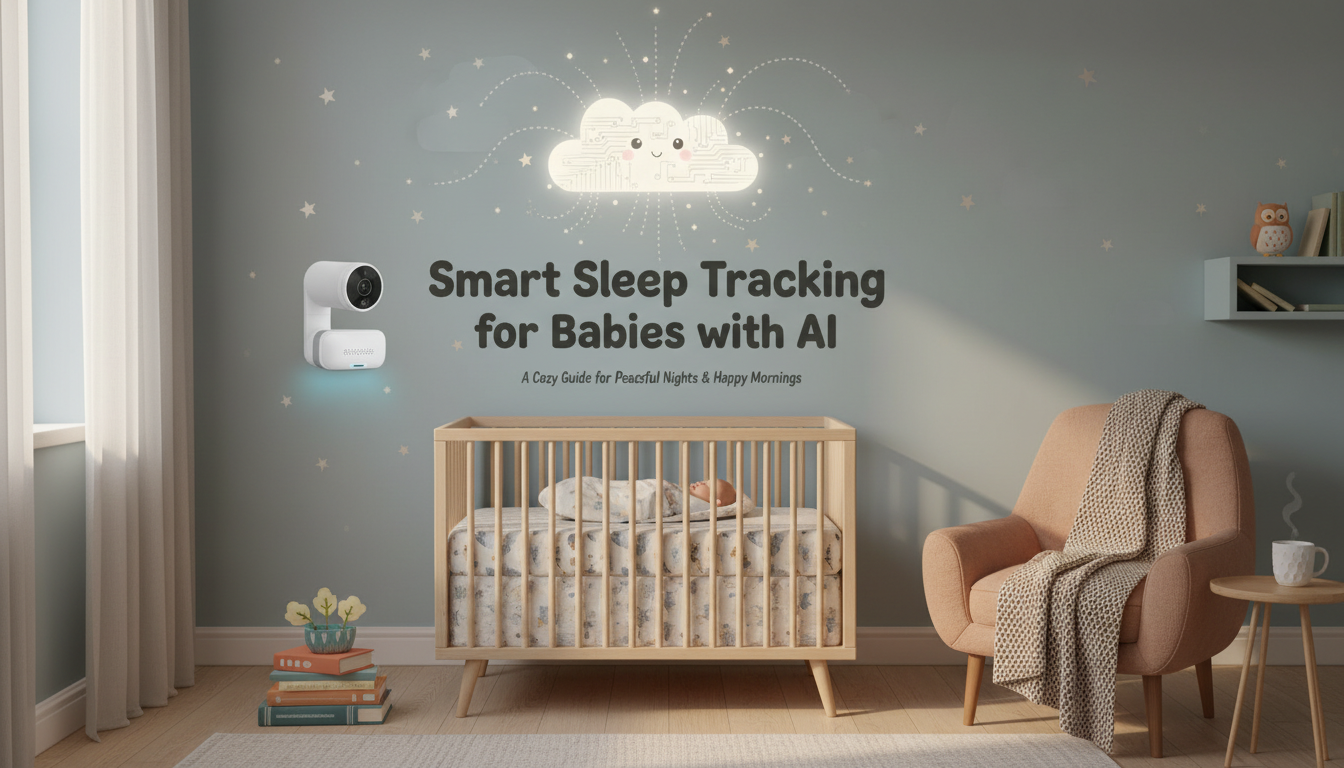
Smart Sleep Tracking for Babies with AI | Digital Guide for New Parents | Tips for Using AI to Track Baby Sleep, Set Routines & Monitor Progress
How should you wear and care for a watch overnight?
Wear your watch snugly enough for its sensors to maintain contact with your skin, but not so tightly that it causes pressure or discomfort; loosen it or take it off if your skin becomes irritated. Keep the band and your skin clean and dry, and set aside a convenient time to charge the watch so you are not relying on a low battery at bedtime.
Can a smartwatch help with a baby’s sleep routine?
Your own watch may help you notice how nighttime wake-ups affect your rest, but it should not be used as a substitute for attentive care or a sleep monitor for your baby. For a simple way to record your baby’s patterns, our Smart Sleep Tracking for Babies with AI guide covers using AI to track baby sleep, set routines, and monitor progress.
When should you seek help?
If you regularly feel exhausted, snore loudly, wake up gasping, or have other concerns about your sleep, talk with a healthcare professional rather than relying on a watch score. You can bring a few days of sleep notes or watch summaries to the conversation, along with details about how you feel during the day.
Check the product’s listed specifications when evaluating when should you seek help.
FAQ
Do smart watches track sleep accurately?
Smartwatches can provide a useful estimate of your sleep duration and schedule, especially when you look at patterns over time. They are less definitive about sleep stages and may mistake quiet wakefulness for sleep.
See if Smart Sleep Tracking for Babies with AI | Digital Guide for New Parents | Tips for Using AI to Track Baby Sleep, Set Routines & Monitor Progress fits your setup







Leave a comment