Silicone Teethers: Safe for Kids? What Parents Should Check
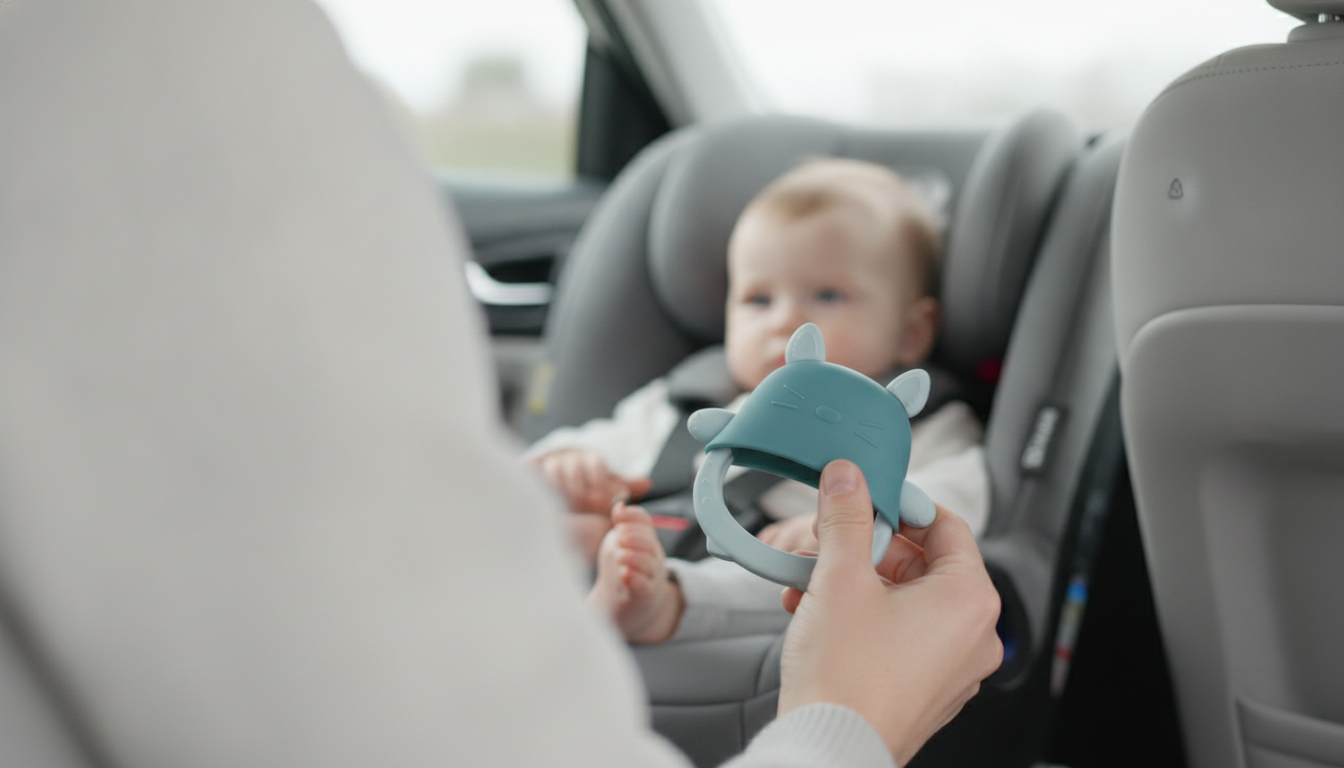
Is silicone teether safe for kids?
Silicone teethers can be safe for kids when they’re made from baby-safe, food-grade silicone and used appropriately. Silicone is popular because it’s soft on sore gums, easy to wash, and less likely to splinter or crack compared to some plastics and woods.
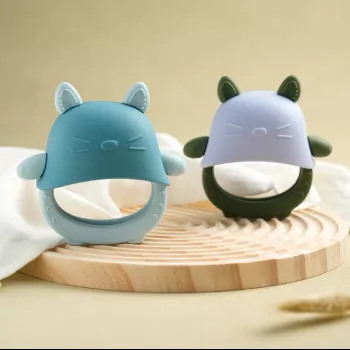
Safety depends less on the material name and more on the product’s build quality and how it’s used. A well-made silicone teether should be a single, solid piece (or have securely integrated parts), be free from harmful additives, and be sized so it can’t become a choking hazard. For a deeper look at what to check—especially around BPA-free choices—see this guide: BPA-free cat teether glove silicone teething relief guide.
What to look for in a safe silicone teether
Choose a teether labeled food-grade or medical-grade silicone, and avoid items with a strong chemical smell, sticky residue, or peeling surfaces. Look for a design that’s easy to clean and has no small detachable parts, beads, or weak seams. If the teether is a glove-style model, make sure straps and stitching are secure and check for wear over time.
How to use silicone teethers safely
Inspect the teether before each use and discard it if you notice tears, cracks, or loose components. Clean it according to the manufacturer’s instructions, and supervise chewing—especially for younger babies who may gag if a teether is too large or shaped awkwardly. Avoid tying teethers around a child’s neck or letting them sleep with any tethered item.
For Silicone Teethers: Safe for Kids? What Parents Should Check, the best answer depends on fit, material, care instructions, and how the product will be used day to day.
FAQ
How do you clean and sanitize a silicone teether?
Wash it with warm water and mild soap, then rinse thoroughly. Many silicone teethers can be boiled or placed on the top rack of a dishwasher if the manufacturer confirms it’s safe. Let it dry completely before storing to help prevent odor buildup.







Leave a comment