Silicone Rudder Teething Toy: Grip-Friendly Gum Relief
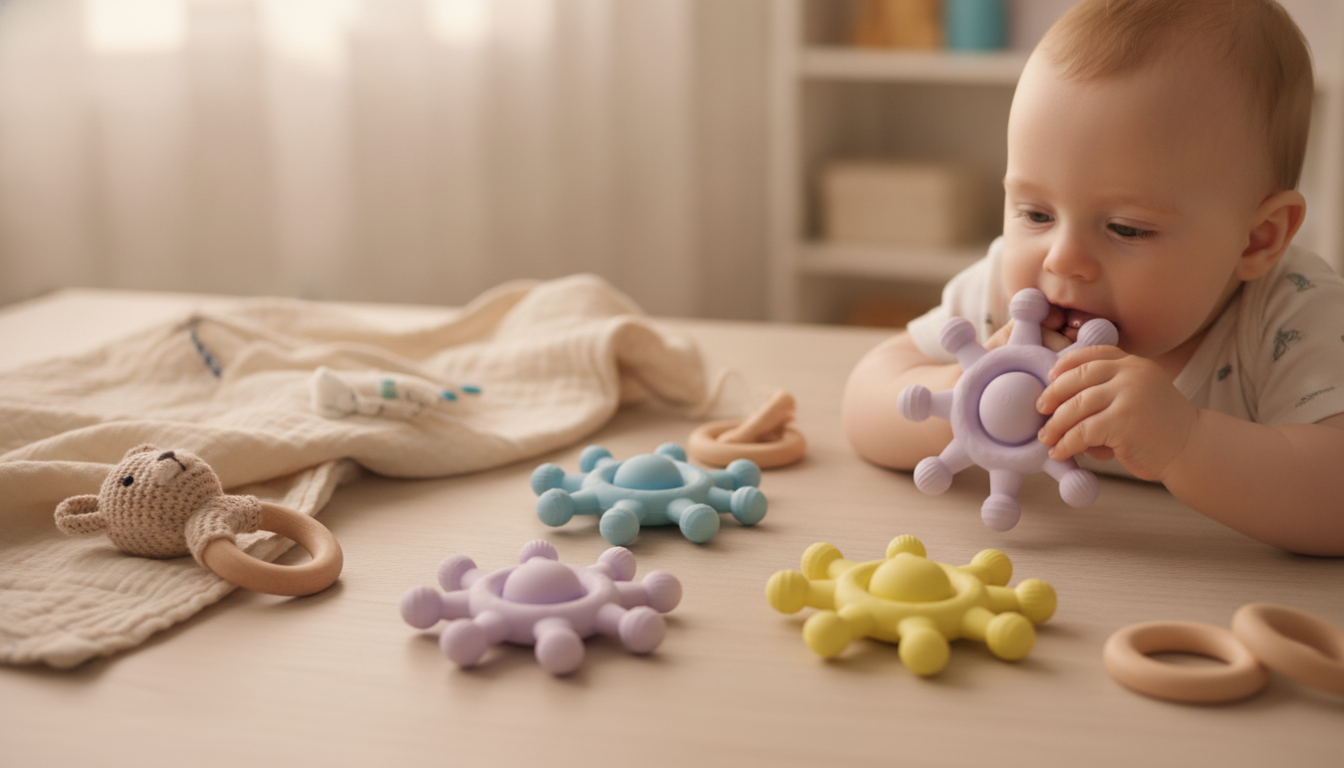
Silicone Rudder Teething Toy: Easy-to-Grip Comfort for Sore Gums
Teething can turn everyday moments into fussy ones—especially when gums feel sore and babies want to chew constantly. A silicone rudder teething toy is designed to be simple, satisfying to hold, and soothing to mouth, with a shape that encourages grasping and safe chewing during early development. If you’re looking for a budget-friendly teether that fits easily into a diaper bag and feels comfortable for little hands to manage, the rudder style is a practical pick. For more guidance, see T – PMC.
What Makes a Rudder-Shaped Teether Different
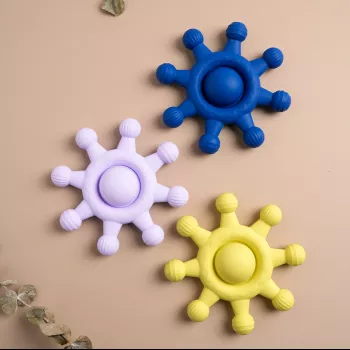
A rudder-style teether stands out because its silhouette naturally creates several places for babies to chew, grip, and explore. Rather than offering one flat ring or a single straight bar, the rudder shape can better match how babies reposition a toy in their mouth as they seek relief. For further reading, see words.txt.
- Multiple edges and curves: The rudder-like outline creates varied chewing angles, so babies can mouth different sides depending on what feels best.
- Easy-to-grip center: A thicker middle section can support early hand coordination and give babies a stable “handle” for self-soothing.
- Compact for travel: The size often works well in strollers, car seats, and quick comfort moments while running errands.
- Gentle material feel: A smooth silicone surface can feel softer against sensitive gums than harder materials.
Comfort and Development Benefits
Teethers aren’t just about distraction—they can also support early motor practice while giving babies a safe outlet for chewing. During teething phases, babies often increase hand-to-mouth movements and explore textures more intensely.
- Soothing chewing pressure: A teether provides a safe item to bite and gum, which may help reduce discomfort from tender gums.
- Midline play practice: Bringing hands toward the center of the body supports early motor planning and grip development.
- Sensory feedback: Depending on the design, gentle edges or subtle textures can provide calming sensory input.
- Simple interaction: Pair the teether with low-key play—offer the toy, name it (“rudder”), and practice gentle passing back and forth to build engagement.
For additional guidance on typical teething behavior and comfort strategies, resources like the American Academy of Pediatrics (HealthyChildren.org) and the FDA’s teething tips can be helpful.
Material and Safety Notes to Look For
Since teethers are used in the mouth (often for long stretches), safety details matter just as much as the shape. A well-made silicone teether should be appropriate for mouthing and easy to inspect and clean.
- Food-grade silicone: Choose teethers made from food-grade silicone intended for teething use.
- Secure construction: A single solid piece (or securely constructed parts) helps reduce breakage risks during repeated chewing.
- No small detachable parts: Babies explore with mouths and hands, so avoid teethers with pieces that could detach.
- Regular inspection: Check frequently for tears, cracks, or deep bite damage; replace if the surface becomes compromised.
- Supervised use: Teethers should be used under adult supervision, especially during peak teething phases.
Quick Specs at a Glance
For a simple, portable option, the Silicone Rudder Teething Toy is an easy add-on to a teething kit. It’s designed for grasping and chewing and is small enough to keep within reach at home or while traveling.
| Feature | Details |
|---|---|
| Product | Silicone Rudder Teething Toy |
| Price | $3.82 USD |
| Availability | In stock |
| Best for | Chewing comfort, easy gripping, on-the-go soothing |
| Care | Wash and inspect regularly; replace if damaged |
How to Use It for Calmer Teething Moments
Teething discomfort can appear suddenly, so having a familiar soothing tool ready can reduce tears (and help you get through routines like car rides or errands). A few small habits can also keep the teether more effective and hygienic.
- Offer at early cues: Watch for increased drooling, chewing on hands, or fussiness during feeding, and offer the teether before frustration escalates.
- Chill briefly for added comfort: Many silicone teethers can be refrigerated for a short time. Avoid freezing solid unless the manufacturer states it’s safe, and always supervise use.
- Rotate teethers: Alternating between a couple of options can keep interest higher and gives each toy time to be cleaned and fully dried.
- Keep one handy: Store a spare teether in the diaper bag or car so relief is always within reach.
Cleaning and Care
Silicone can attract lint and dust, so regular cleaning and smart storage make a big difference. For general toy hygiene guidance, the CDC’s cleaning and sanitizing toys recommendations are a useful reference.
- Wash thoroughly: Use warm water and mild soap, then rinse well to remove any residue that could affect taste or feel.
- Air-dry completely: Let it fully dry (especially around grooves) before storing to help prevent odors and buildup.
- Store clean and dry: Keep in a clean container or zip pouch to reduce dust and lint sticking to silicone.
- Follow product instructions: Only use dishwashers, boiling, or sterilizers if the manufacturer specifically allows it.
A Simple Gift That Gets Used
If you’re building a broader baby gift bundle, you can also add a cozy outfit like the Girls Knit Sweater Dress with Heart Print & Ruffle Collar for a practical “comfort plus cute” pairing.
FAQ
Can a silicone teething toy be chilled?
Yes for many silicone teethers; chilling briefly in the refrigerator can add soothing comfort. Avoid freezing unless the maker confirms it’s designed for that, and always supervise use.
How often should a teether be replaced?
Replace it if there are tears, deep bite marks, cracks, sticky residue that won’t wash off, or any change in the toy’s texture or structure. Frequent inspections are especially important during heavy chewing stages.
What’s the safest way to clean a silicone teether?
Warm water with mild soap and a thorough rinse works well for routine cleaning, followed by complete air-drying. Use sterilizing methods only if the product instructions explicitly allow them.








Leave a comment