What to Say When Your Daughter Feels Left Out
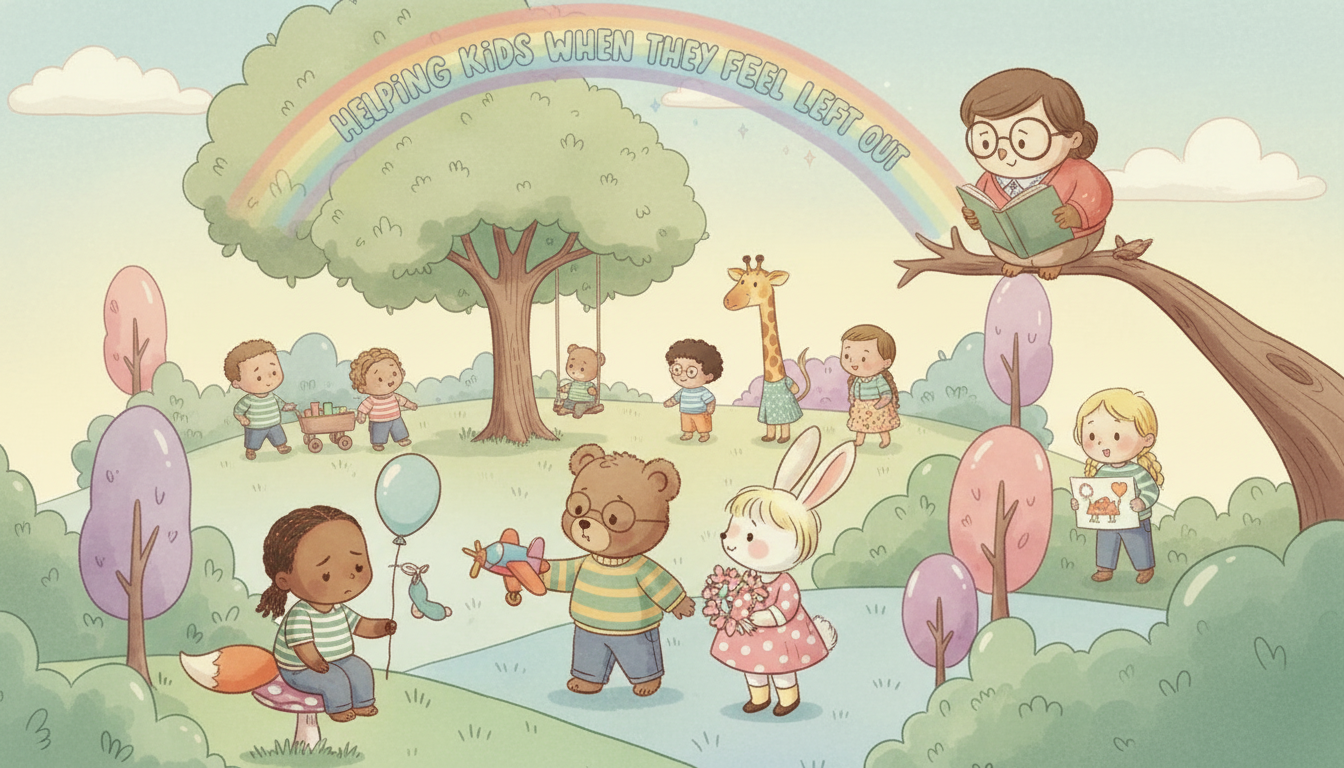
What to say to a daughter when she feels left out?
Start by naming what you notice and making it safe for her to share. Try: “It looks like that really stung. Do you want to tell me what happened?” Then validate without rushing to fix it: “Feeling left out hurts. Anyone would feel sad or mad about that.”
Next, help her separate the event from her worth. Say: “Being left out doesn’t mean you’re not liked or that you don’t matter. It means something happened in that moment.” If she’s blaming herself, offer a steadier frame: “Sometimes kids make choices that aren’t kind. That’s about their decision, not your value.”
When she’s ready, shift to support and options. Keep it simple and empowering: “Do you want comfort, or do you want help figuring out what to do next?” If she wants ideas, offer a few short scripts she can practice:
-
“Hey, can I join?”
-
“I felt left out when you didn’t ask me. Can I play too?”
-
“If you’re not including me, I’m going to find someone else to play with.”
You can also build her resilience in the moment by anchoring to her strengths: “What’s one thing you can do right now that helps you feel steady—draw, read, play with someone else, or get a drink of water?” If the pattern keeps happening, reassure her you’ll partner with her: “If this keeps going, we’ll talk to your teacher/coach together. You’re not alone in this.”
For more ready-to-use scripts, emotional skills, and ways to support kids when they feel excluded, see this helpful guide: https://babyjoyboutique.com/guide-when-kids-feel-left-out-scripts-skills-support/.
FAQ
How can I help my child rebuild confidence after being excluded?
Reconnect her to places she feels capable: a hobby, a friend who’s kind, or a role where she can help. Praise specific efforts (“You were brave to ask to join”) and practice one or two simple phrases so she feels prepared next time.







Leave a comment