When Your Child Feels Left Out: Calm Steps That Help
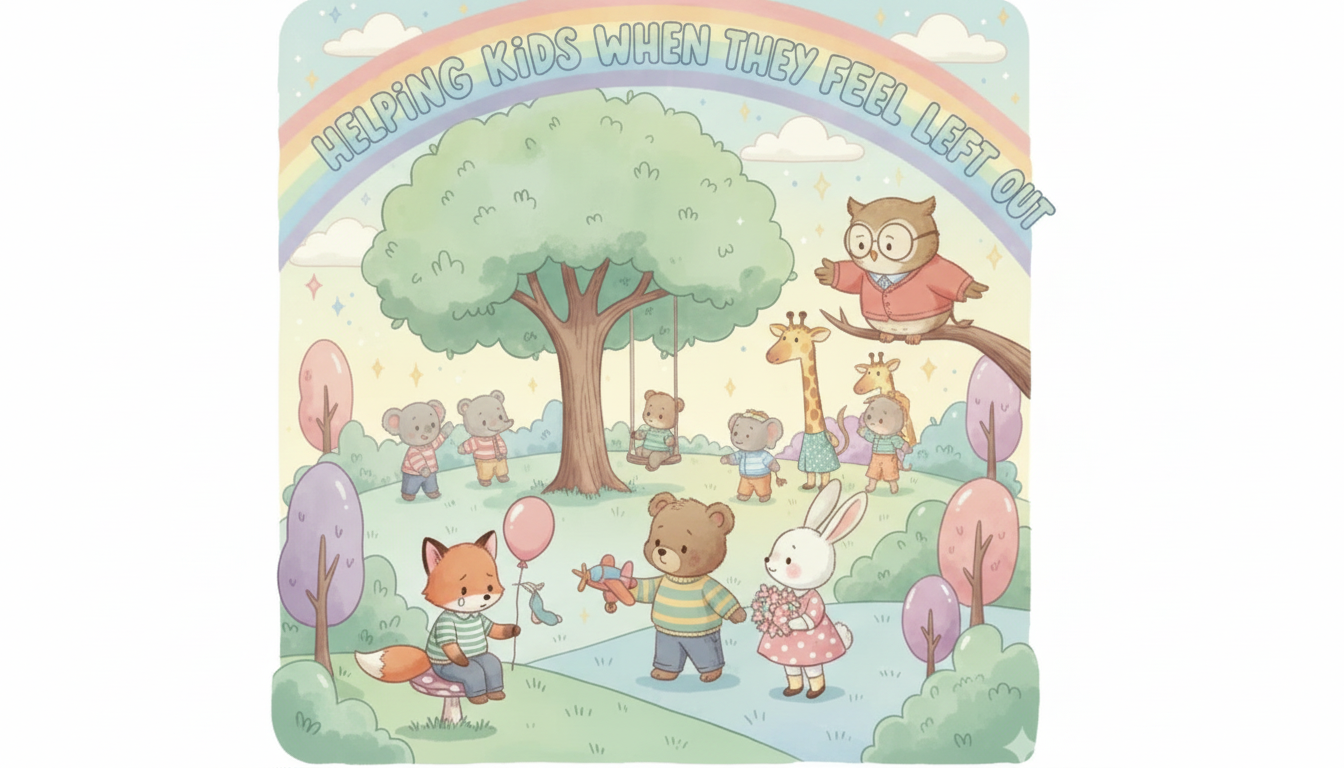
How to handle your child feeling left out?
Start by slowing things down and naming what’s happening: “It looks like you wanted to be included, and that hurt.” When kids feel left out, they often need two things first—validation and a sense of safety—before they can problem-solve. Keep your voice calm, and resist the urge to immediately “fix” the situation or critique their reaction.
1) Listen for the story underneath the feelings
Ask gentle, specific questions that help your child organize what happened: “Where were you when it started?” “What did you see or hear?” “Who was there?” This keeps the conversation grounded and helps you separate facts from assumptions (like “They hate me”). If your child is young, consider drawing the scene together or using toys to act it out.
2) Validate without escalating
Validation doesn’t mean agreeing with every conclusion; it means acknowledging the emotion. Try: “That’s disappointing,” “It makes sense you’re upset,” or “Anyone would feel lonely in that moment.” Avoid quick counters like “They probably didn’t mean it,” which can make kids feel dismissed.
3) Teach a simple “entry” skill
Many kids aren’t sure how to join play, especially if a group is already running. Practice one or two lines they can actually remember, such as: “Can I play too?” “What are you playing?” or “Can I be the helper?” Role-play at home for 30 seconds at a time. Keep it playful, not like a lecture.
4) Build a plan for next time
Work together on a small menu of choices: try a different group, ask one friendly peer, take a break with a calming activity, or get adult support. The goal is to give your child options that protect their dignity and reduce panic in the moment.
5) Follow up and strengthen connections
If the same exclusion happens repeatedly, consider reaching out to a teacher, coach, or caregiver with a neutral description and a request for support. For more practical scripts and coaching ideas, read the full guide here: https://babyjoyboutique.com/guide-when-kids-feel-left-out-scripts-skills-support/.
FAQ
How can I help my child make friends after being excluded?
Focus on one-to-one connections first: invite a classmate for a short, structured hangout and plan an activity your child enjoys. Practice a few friendly conversation starters, then praise effort (trying) more than outcomes (being liked).








Leave a comment