How to Use Silicone Baby Food Feeders Safely
How do you use silicone baby food feeders?
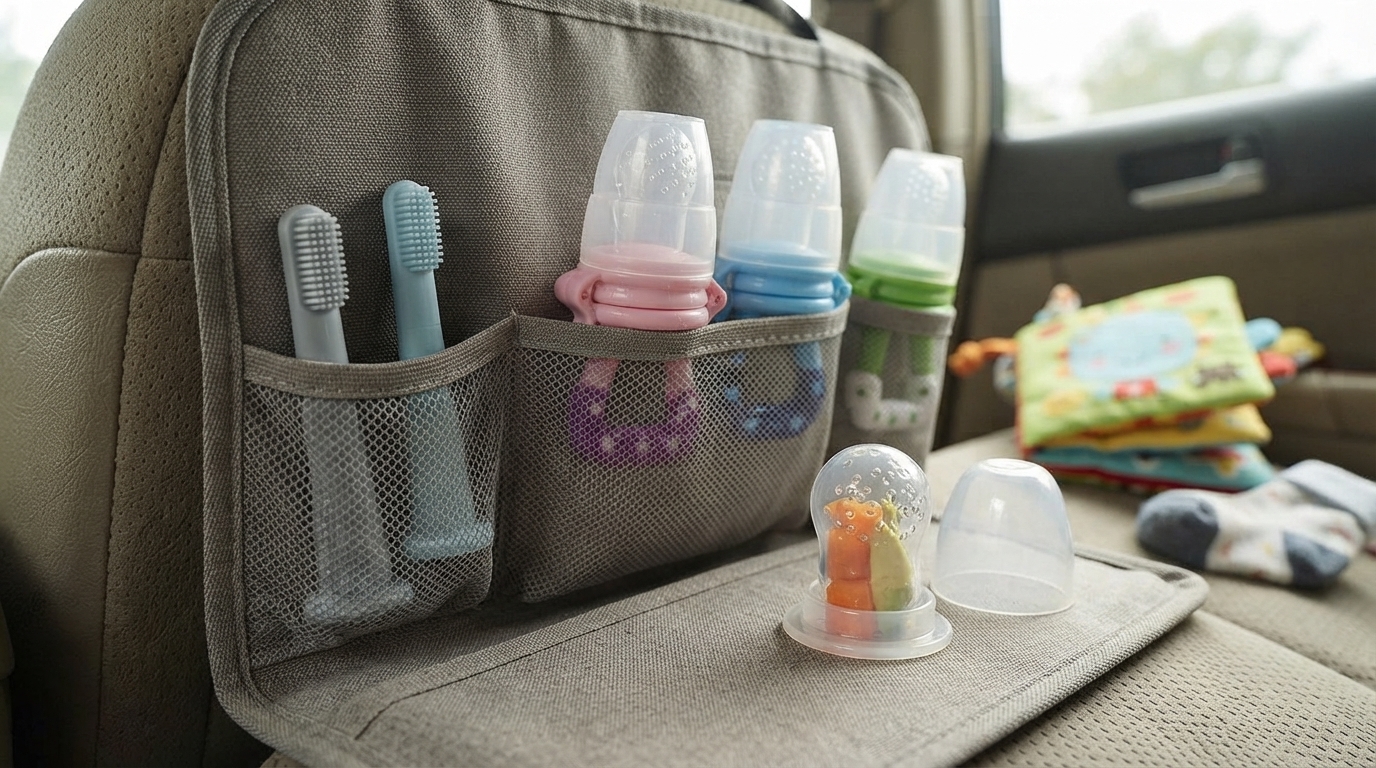
Silicone baby food feeders are designed to let babies taste soft foods safely through small holes, helping reduce choking risk while supporting self-feeding. To use one well, focus on correct assembly, age-appropriate foods, and careful cleaning.
1) Wash and inspect before the first use
Wash all parts with warm, soapy water and rinse thoroughly. Check the silicone pouch for tears or thinning, and confirm the locking pieces click together securely.
2) Choose the right foods and prep them correctly
Start with soft, ripe foods that break down easily, such as banana, avocado, ripe pear, steamed apple slices, or cooked sweet potato. Cut food into small pieces that fit comfortably in the silicone pouch. For extra soothing (especially during teething), freeze fruit pieces or use chilled breast milk/formula ice cubes if the feeder design supports it.
3) Fill the silicone pouch without overpacking
Open the feeder, place a few small pieces inside, and avoid stuffing it tightly—overfilling can make it harder for your baby to get food through the holes. Close the cap and double-check the lock so little hands can’t pop it open.
4) Offer it safely during seated, supervised feeding
Have your baby sit upright in a high chair or supported seat. Hand them the feeder and let them gum, suck, and chew at their own pace. Stay close the entire time and remove the feeder if your baby becomes overly frustrated or tries to use it while crawling or playing.
5) Clean immediately after use
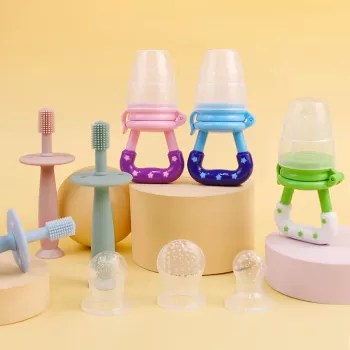
Disassemble all parts and rinse right away to prevent residue from drying in the holes. Wash with warm, soapy water and use a small brush if needed to clear the perforations. Let everything air-dry fully before storing with the cover on.
For a deeper step-by-step guide, parts overview, and care tips, visit this silicone baby fruit feeder guide.
FAQ
What foods should you avoid putting in a silicone baby feeder?
Avoid hard, crunchy, or dry foods that don’t soften with saliva (like raw apple chunks, nuts, popcorn, or crackers), as well as sticky foods that can gum up the holes. Skip foods that are common choking hazards unless they’re cooked until very soft and cut appropriately.








Leave a comment