Dual Pack Hospital-Grade Air Purifier for Large Rooms
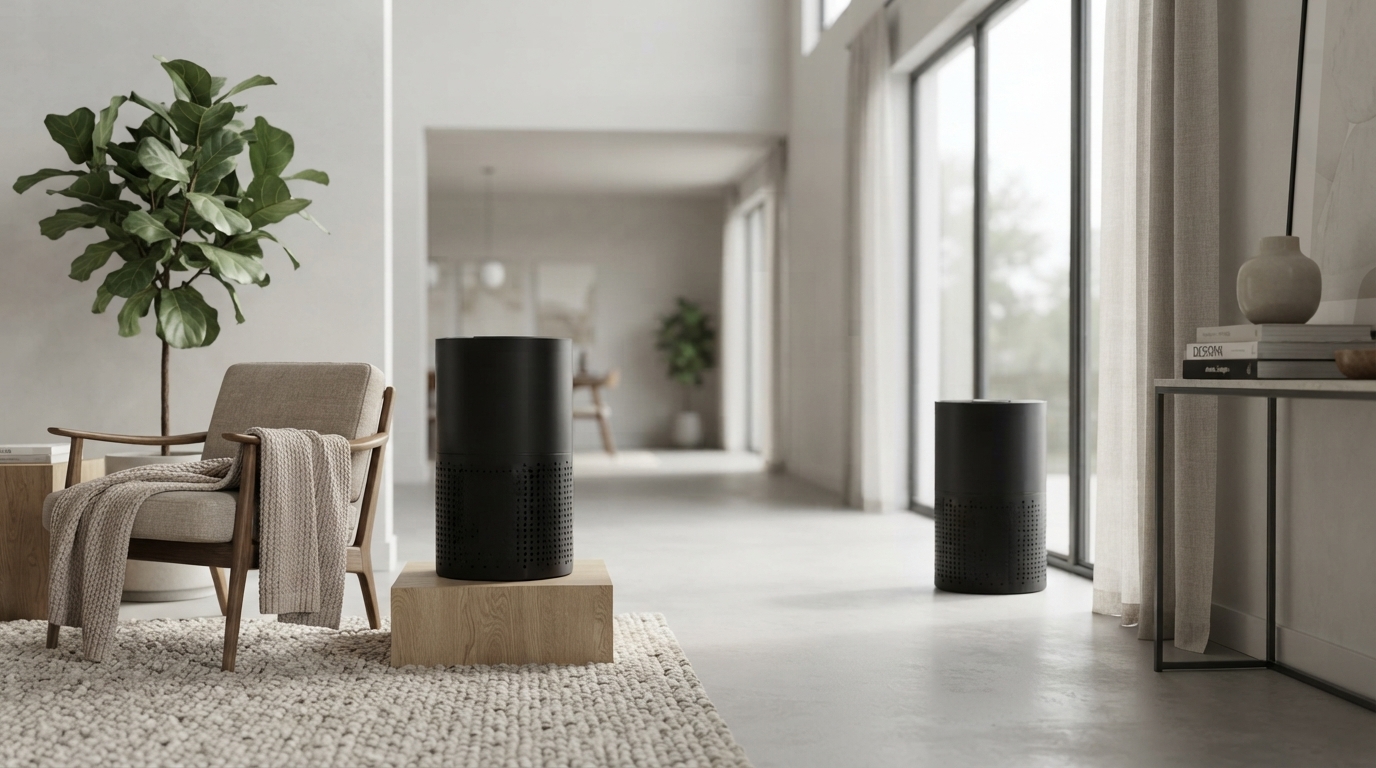
Hospital-Grade Air Purifier for Large Rooms (Dual Pack): Cleaner Air for Shared Spaces
Indoor air can carry fine particles from dust, smoke, and everyday activity—especially in large, frequently used rooms. A hospital-grade air purifier designed for bigger spaces can help reduce airborne particle load with high-efficiency filtration, and a dual-pack setup can extend coverage to multiple rooms or improve circulation in one open area.
What “Hospital-Grade” Air Cleaning Means at Home
When a purifier is described as “hospital-grade,” it generally points to two practical strengths that matter in real homes: high-efficiency particle capture and enough airflow to move a lot of air through that filtration repeatedly. In large rooms, that second part—airflow—often determines whether the unit actually makes a noticeable difference during day-to-day living.
- High-efficiency particle capture + strong airflow: The goal is to continuously pull room air through sealed filtration so fine particles are removed rather than redistributed.
- Built for large spaces: Bigger rooms need more air movement to keep “stale” pockets from lingering in corners and far ends of the space.
- Placement and settings matter: Even the best filtration works best when the intake/exhaust is unobstructed and the fan speed matches what’s happening (high traffic, cooking, cleaning, sleep).
Dual Pack Benefits for Large Rooms and Busy Households
A dual pack is less about buying “two of the same thing” and more about building flexibility into your air-cleaning setup. Two units can cover multiple rooms, or they can be positioned to improve circulation in a single open layout where one purifier may not mix air evenly.
- Flexible coverage: Put one unit in the main living area and the other in a bedroom, office, nursery, or playroom.
- Better circulation options: In open floor plans, using two units can reduce dead zones where particles tend to linger.
- Maintenance convenience: Matching units typically use matching filters, making replacement schedules and stocking spares simpler.
- Handles varied particle sources: Cooking aerosols, pet dander, seasonal pollen tracked indoors, and smoke particles can show up in different rooms at different times.
| Room setup | Recommended approach | Placement tips |
|---|---|---|
| Single large living room | Run one unit near the center of activity; use the second near a hallway/adjacent zone | Keep intake/exhaust clear; avoid corners; aim for unobstructed airflow |
| Open-plan kitchen + living area | Use both units to cover separate zones | Place one away from cooking heat/steam; place the other nearer seating areas |
| Two frequently used rooms | One unit per room | Prioritize rooms with longer occupancy (sleep/work) |
| Bedroom at night + living room daytime | Move one unit as needed or keep both dedicated | Use lower noise mode at night; higher setting after cleaning or high-traffic periods |
Filtration Performance: What “99.99% of Airborne Particles” Can Indicate
High stated particle filtration (such as “filters 99.99% of airborne particles”) can be a useful signal that the purifier is designed to capture very small particles effectively—when it’s sized appropriately and run consistently. That said, the most meaningful improvement in everyday air quality usually comes from the combined effect of filtration efficiency and how much air the purifier can process over time.
- Room size and runtime drive results: A powerful purifier used steadily in the right-size room can reduce particulate levels more reliably than a smaller unit on high that struggles to circulate air.
- Air mixing changes outcomes: Open doors, active HVAC airflow, ceiling fans, and foot traffic all affect how quickly “dirty” air reaches the purifier.
- Filter fit and replacement are non-negotiable: Filters must be properly seated; clogged filters reduce airflow and can lower the effective cleaning rate.
For additional guidance on how home air cleaners work and how to use them effectively, the U.S. EPA’s overview on air cleaners and air filters is a helpful reference point.
Choosing the Right Size and Understanding Coverage
Large rooms demand frequent air turnover—meaning the purifier needs enough airflow to cycle the room’s volume multiple times per hour. If a “large room” is connected to a kitchen, hallway, loft, or dining space, the effective coverage area is bigger than it looks on paper.
To better understand performance ratings like CADR (Clean Air Delivery Rate), the AHAM explanation of CADR and air cleaner performance provides useful context for comparing units.
Noise, Sleep, and Daily Use Considerations
Filtration is also most effective when paired with good overall airflow in the home; the CDC guidance on ventilation in buildings is a practical resource for improving air movement alongside air cleaning.
Filter Maintenance and Long-Term Ownership
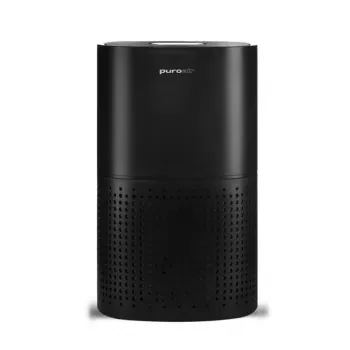
Recommended Product: Dual Pack Hospital-Grade Air Purifier for Large Rooms
Recommended pick:
Hospital-Grade Air Purifier for Large Rooms – Dual Pack, Filters 99.99% of Airborne Particles
More In-Stock Finds for Family Spaces
- Girls Knit Sweater Dress with Heart Print & Ruffle Collar
- Kids’ 12V Ride On Land Rover with Remote Control and LED Lights
FAQ
How long should an air purifier run each day in a large room?
Longer daily runtimes tend to deliver more consistent particle reduction in large, frequently used rooms. Higher fan speeds clean faster, but many households run a quieter setting most of the day and switch to higher speed after cooking, cleaning, or heavy traffic.
Where should air purifiers be placed for the best results?
Place purifiers where airflow is open: not in corners, not behind furniture, and with clear space around the intake and exhaust. In open floor plans, using two units in separate zones can improve circulation and reduce particle “dead spots.”
Do air purifiers help with smoke and cooking particles?
They can reduce airborne particles from smoke and cooking aerosols when sized for the room and run at an adequate speed. Ventilation still matters, and replacing filters on schedule helps maintain strong airflow and cleaning performance.








Leave a comment