Mini Monocular Telescope for Kids: Camping & Moon Views
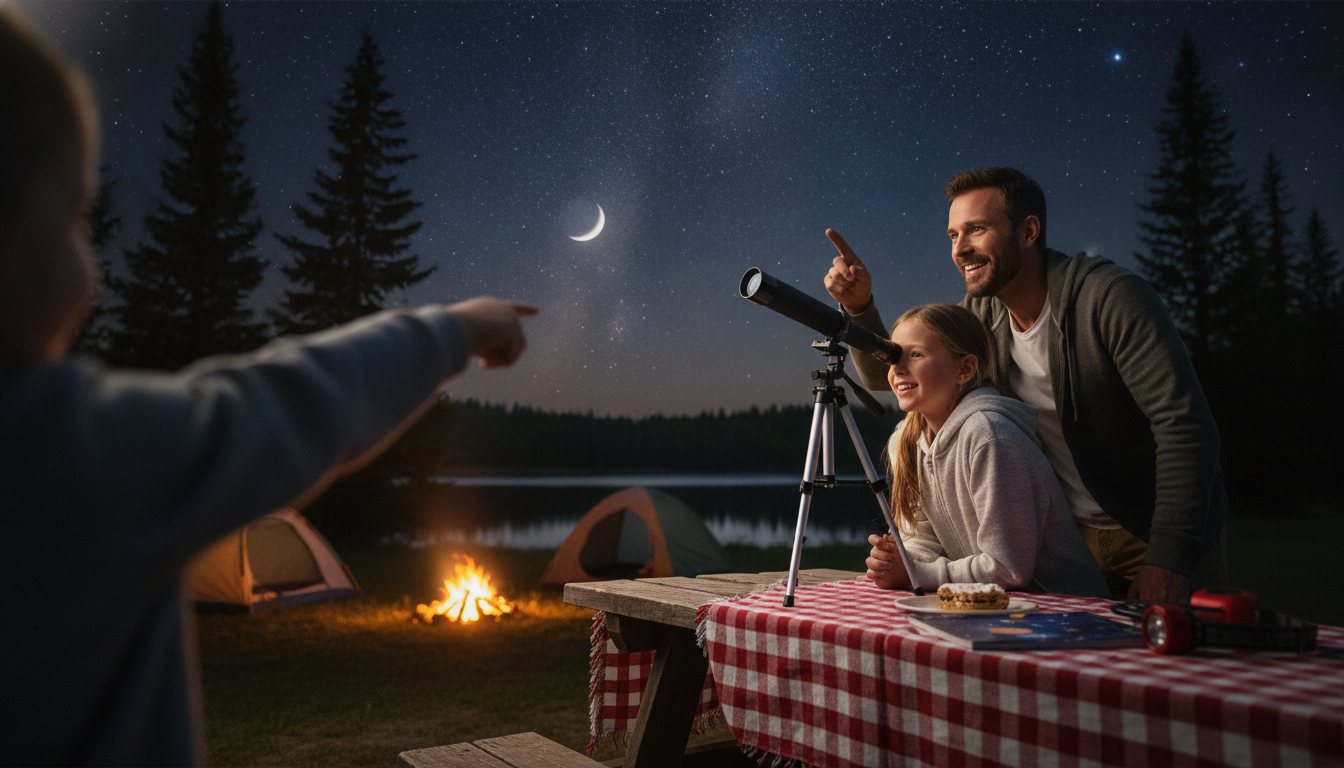
Kid-Friendly Mini Monocular Telescope for Camping, Backyard Wildlife, and Night Sky Viewing
A compact monocular can turn a hike, campground weekend, or backyard stargazing session into an easy hands-on science moment. This kid-friendly mini monocular telescope is designed to be simple to hold, quick to focus, and fun for everything from spotting birds across a trail to taking a closer look at the Moon on a clear night.
What Makes a Monocular a Good Fit for Kids
For younger explorers, the best outdoor gear is the gear they’ll actually use. A monocular keeps things straightforward while still feeling “real” and rewarding.
- One-handed viewing: easier for small hands than full-size binoculars, especially on uneven trails.
- Fast focus: helps kids lock onto birds, signs, or distant landmarks without constant re-aiming.
- Lightweight design: reduces arm fatigue during longer walks and observation sessions.
- Simple eyepiece viewing: makes quick hand-offs easy between siblings, friends, or a parent and child.
- Great for learning: encourages patience, quiet observation, and curiosity outdoors—skills that carry over into science and nature study.
Where It Shines: Camping, Nature Walks, and Beginner Astronomy
A mini monocular is at its best when it’s used often—pulled out for quick looks, then tucked away again without fuss.
- Camping: scan tree lines, ridgelines, and lakeshores from a safe distance—great for spotting movement without wandering off.
- Wildlife spotting: observe birds and animals without getting too close, which is safer for kids and less stressful for wildlife.
- Sports and events: see jersey numbers, stage details, or action from farther back in the crowd.
- Backyard astronomy: best for bright targets like the Moon; an inviting first step before investing in a larger, mounted telescope. NASA’s moon guide is a helpful companion for what to look for night-to-night: NASA — Observing the Moon.
- Travel: a small footprint makes it easy to pack in a day bag for road trips, national parks, and beach walks.
Kid-Friendly Setup and Use
A little practice goes a long way. Once kids learn the feel of aiming and focusing, the monocular turns into a “look closer” habit.
Start in daylight first
Practice aiming and focusing on a stationary object like a street sign, tree trunk, or rooftop vent. Daylight makes it easier to see when the image “snaps” into sharpness.
Use a stable stance
Have kids plant both feet and tuck elbows into their sides. This reduces shaking and helps them keep a distant object centered.
Focus in small steps
Encourage slow turns on the focus control rather than fast spinning. If the image seems to “swim,” pause, re-aim, then fine-tune the focus until edges look crisp.
Clean gently
Use a soft lens cloth. Avoid shirts, paper towels, or tissues that can grind dust into the lens coatings.
Set expectations for night viewing
The Moon and other bright objects are the most rewarding through compact optics. Dim “deep-sky” objects are tougher without a larger lens and a steady mount—so treat early night sessions as a fun preview rather than a performance test.
Quick Comparison: Monocular vs. Binoculars vs. Beginner Telescope
Each viewing tool has a sweet spot. For kids, portability and ease-of-use often matter more than maximum detail.
| Tool | Best For | Pros | Trade-Offs |
|---|---|---|---|
| Monocular | Hikes, camping, quick wildlife checks, casual Moon viewing | Lightweight, one-handed, simple focus, easy to pack | More hand shake at high magnification; narrower view than binoculars |
| Binoculars | Birding, scenic viewing, longer sessions | Two-eye comfort, wider field of view | Heavier; harder for small kids to align; bulkier |
| Beginner telescope | Dedicated stargazing nights | Higher detail potential on the Moon/planets | Setup time; needs stable mount; less travel-friendly |
Safety and Supervision Tips
- Never point any optical device at the Sun: eye injury can happen instantly. For reliable guidance, follow American Astronomical Society — Solar Eclipse Safety.
- Teach safe carrying: use a strap or keep the monocular in a protective pouch when walking.
- Set observation boundaries: kids should stay near the camp area or trail group while viewing—no wandering off to “get closer.”
- Night use: pair with a small red flashlight so kids can see the ground without wiping out night vision.
Product Spotlight: Kid-Friendly Mini Monocular Telescope
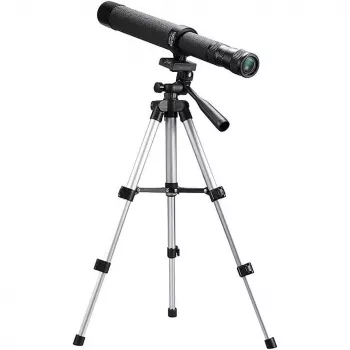
If the goal is to help kids look closer—without lugging bulky gear—this compact option fits the moment. The Kid-Friendly Mini Monocular Telescope – Powerful Spotting Scope for Camping and Astronomy is sized for kids’ hands and day packs, built for outdoor exploration on trails and at camp, and beginner-friendly for casual Moon viewing on clear nights. It also makes a practical gift for curious kids who enjoy outdoor adventures and hands-on science activities.
More outdoor fun to pair with nature nights
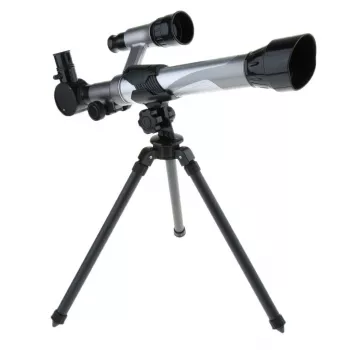
- High-Speed 1/8 Scale Monster Tank RC Car for daytime trail-side play between observation sessions.
- Kids’ 12V Ride On Land Rover with Remote Control and LED Lights for backyard adventures and imaginative “field research” missions.
Simple Activities to Make It More Fun
FAQ
Is a monocular safe for kids to use?
Yes, with basic supervision and clear rules. The most important rule is never aiming at the Sun, and it also helps to teach careful handling, using a strap, and gentle lens cleaning.
What can kids see with a compact monocular at night?
The Moon is the most rewarding target, especially along the shadow line where craters stand out. Bright objects are easier than dim deep-sky targets, so daytime practice and realistic expectations make night sessions more fun.
How do you reduce shaky images when zoomed in?
Have kids tuck elbows in, brace against a tree or railing, and exhale slowly while looking. Taking turns also helps, since tired arms shake more.








Leave a comment