Solar Powered Toy Car: How Light Turns into Motion
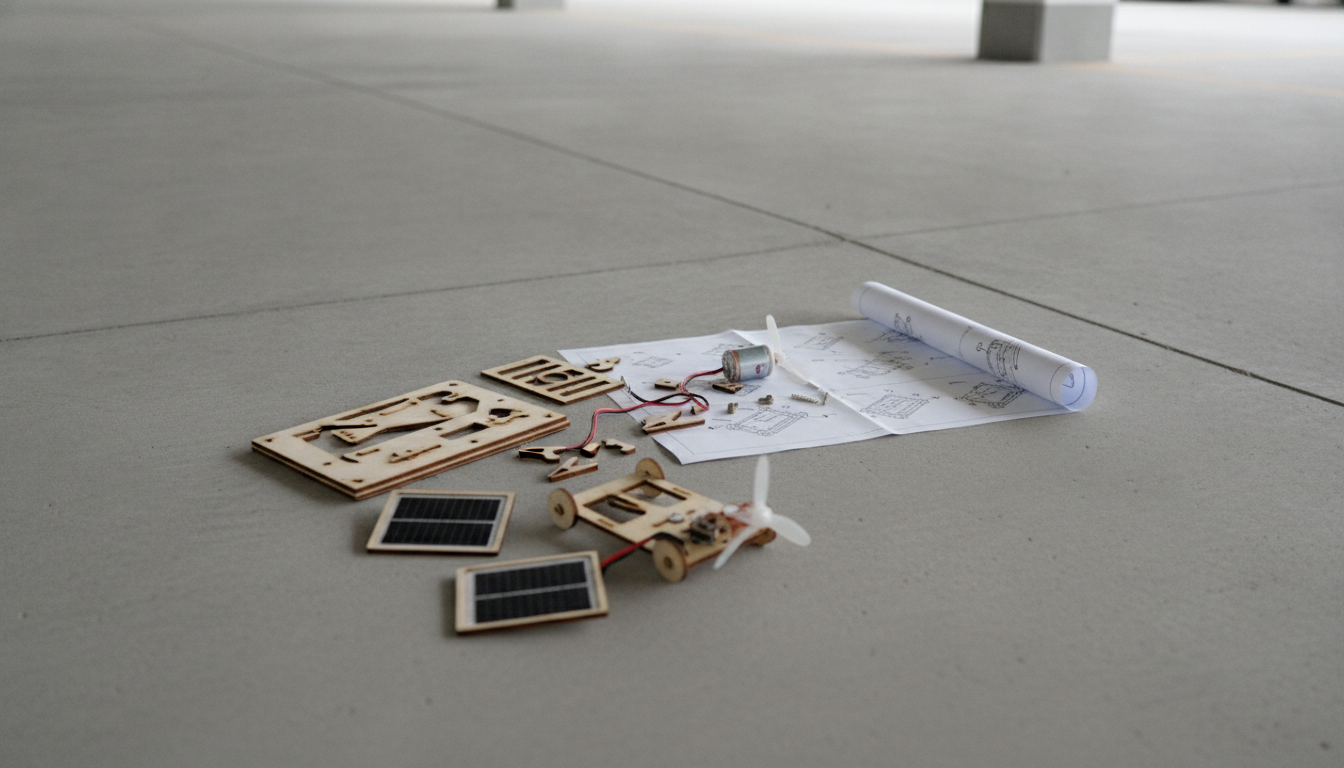
How does a solar powered toy car work?
A solar powered toy car turns light into motion using a small chain of parts that work together: a solar panel, wiring, and a motor (sometimes with a battery or capacitor for backup). When light hits the solar panel, it produces electricity. That electricity flows through the wires to the motor, and the motor spins a shaft that turns gears or an axle connected to the wheels. As the wheels rotate, the car moves forward.
What parts make it move?
Most solar toy cars use these core components:
Solar panel (photovoltaic cells): Converts light energy into electrical energy. Brighter, direct light generally means more power and faster movement.
DC motor: Uses the electrical current to create rotation. A small motor can spin very fast, so many toy cars add gears to trade speed for torque.
Gearbox and axle: Transfers the motor’s rotation to the wheels with more pushing power, helping the car start rolling instead of just spinning in place.
Why does it work better in bright sunlight?
The solar panel’s output depends on how much light it receives. Outdoors in direct sun, the panel can produce enough voltage and current for the motor to start easily and keep a steady speed. Indoors, even under strong room lighting, the panel may not generate enough power, so the motor may stutter, run slowly, or not turn at all.
Do solar toy cars need batteries?
Some models run only when light is available, so they stop when the light is blocked. Others include a small rechargeable battery or a capacitor that stores extra energy. Storage helps the car keep moving through brief shadows and can make starts smoother when the light level changes.
How kids’ solar kits help explain the science
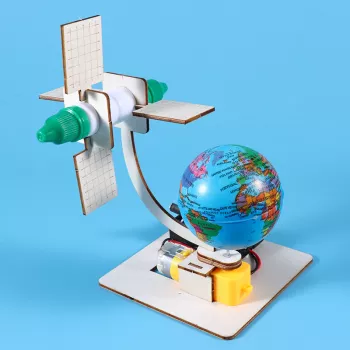
Building a solar project shows cause-and-effect in a way kids can see: change the angle of the panel, move into shade, or switch from indoor light to sunshine, and the car responds immediately. For a hands-on example that connects solar power to STEM learning, see the guide here: https://babyjoyboutique.com/guide-solar-radar-satellite-stem-kit-for-kids/.
FAQ
Why won’t my solar toy car run indoors?
Indoor lighting is usually much dimmer than direct sunlight, so the solar panel may not produce enough power to start the motor. Try a bright, direct light source, aim the panel straight at it, or take the car into full sun.









Leave a comment