Wearable Baby Silicone Teether Ring (BPA-Free Cartoon)
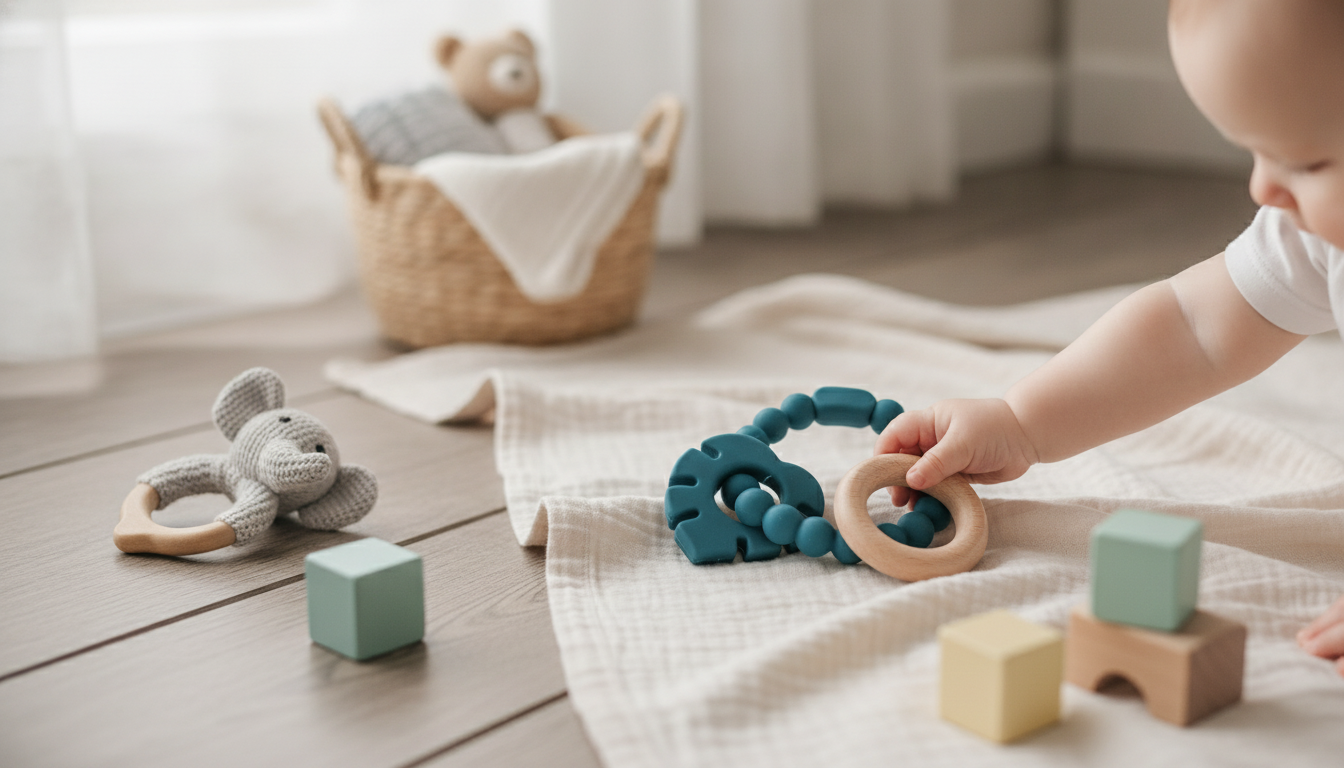
Baby Silicone Teether Ring: A Wearable Little Helper for Sore Gums
Teething can bring sore gums, extra drool, and restless moments. A lightweight silicone teether ring that doubles as a cute cartoon bracelet offers a simple way to give babies something safe to chew, grip, and explore—at home or on the go. The ring shape is familiar, the cartoon styling is fun to look at, and the silicone texture can feel soothing during those fussy peaks when nothing else seems to stick. For more guidance, see A Parent’s Guide to Teething: Teething Timeline, Symptoms, and ….
What makes a bracelet-style teether handy
Bracelet-style teethers are popular because they fit naturally into everyday routines. Instead of digging through a diaper bag while a baby cries, a wearable ring can be close by and ready in seconds. For further reading, see Snowflake Station – Children’s Hospital of Philadelphia.
- Easy for small hands to hold: Ring/bracelet shapes are often simpler to grip than bulky toys, especially for younger babies still learning coordination.
- Quick access during fussy moments: Worn on a caregiver’s wrist, it can be offered right away when chewing urges spike.
- Multiple chewing angles: Rounded edges and curved surfaces let babies “hunt” for a comfortable spot to press against tender gums.
- Fun cartoon look: Bright, friendly designs can hold attention a bit longer, which can help during soothing attempts.
Materials and safety basics to look for
Teethers spend a lot of time in a baby’s mouth, so materials and construction matter. Prioritizing simple, well-made designs helps support safer mouthing and easier cleanup. The American Academy of Pediatrics notes that mild gum discomfort and extra drooling are common during teething, and offering appropriate teething objects can be part of soothing routines (AAP guidance on teething).
- BPA-free silicone: Designed to avoid bisphenol-A exposure concerns and support safer mouthing. For background on BPA, see the FDA’s BPA information.
- Food-grade silicone expectations: A smooth, non-porous feel that is typically gentler on gums and easier to clean than porous materials.
- One-piece or sturdy construction: Helps reduce the risk of small parts separating during chewing.
- Age-appropriate use: Follow any age guidance and supervise during use, especially for younger infants.
- Check for wear: Discontinue use if the surface shows tearing, cracking, or pieces loosening.
Quick safety checklist before each use
| Check | What to look for | Why it matters |
|---|---|---|
| Surface condition | No cracks, tears, or sticky spots | Damaged silicone can trap residue or break under chewing |
| Cleanliness | No lint, hair, or residue | Babies mouth everything; clean surfaces reduce germ transfer |
| Shape/fit | Not too tight on an adult wrist; easy to remove | Prevents snagging and helps offer quickly when needed |
| Baby’s behavior | No gagging or frustration | Comfort varies; switch to another teether shape if needed |
Comfort features that support teething relief
Not every teether feels the same, even if the material is similar. Small design details can make a noticeable difference in how long a baby stays interested and how soothing chewing feels.
- Gentle firmness: Silicone often provides a satisfying chew without being hard on tender gums.
- Texture and edges: Light ridges or contours can massage gums and keep baby engaged through touch exploration.
- Lightweight design: Easier for babies to lift and bring to the mouth repeatedly, which reduces frustration.
- Portable size: Fits in diaper bags and can be stored in a clean pouch between uses.
Ways to use a teether ring during teething peaks
Teething discomfort tends to come in waves. A ring teether works best when it’s offered proactively, then paired with other calming steps when needed.
- Offer during predictable fussy windows: Many babies chew more in late afternoon or evening when they’re tired.
- Try short soothing cycles: Offer 2–5 minutes of chewing, then pause with cuddles or a cool washcloth.
- Pair with calm routines: Dim lights, gentle rocking, and a familiar teether can reduce overstimulation.
- On-the-go help: Keep one clean teether accessible for car seats, strollers, or waiting rooms.
- Avoid risky moments: Don’t leave a teether in a crib overnight or allow chewing while a baby is asleep unattended.
Cleaning and care for silicone teethers
Regular cleaning is essential because teethers get dropped, shared with other toys, and carried from place to place. For general cleaning and sanitizing best practices, the CDC’s cleaning guidance is a helpful reference point for maintaining hygienic routines at home.
When to replace a teether
A simple everyday pick for soothing and play
Product options in stock
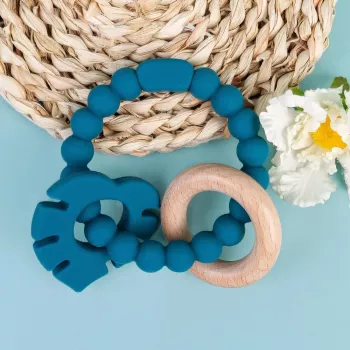
- Baby Silicone Teether Ring – BPA Free Cartoon Bracelet for Teething Relief (In stock): A wearable-style silicone teether designed for easy holding and soothing chewing, with a compact size that works well for travel days and quick rinses between errands.
- Girls Knit Sweater Dress with Heart Print & Ruffle Collar (In stock): A cozy, cute outfit option for cooler weather—handy when building a small baby-and-toddler essentials cart alongside practical comfort items.
FAQ
What age can a silicone teether ring be used?
Many babies start mouthing and chewing around 3 months, but always follow the product’s age guidance and supervise use. If a baby is not yet able to grasp well, a caregiver can hold the ring and offer it safely.
How should a silicone teether be cleaned?
Wash with mild soap and warm water, rinse thoroughly, and let it dry completely before storing. If the product includes specific directions for hot-water cleaning or dishwasher use, follow those instructions.
Can a baby sleep with a teether ring?
No—remove teethers during sleep and use them only with supervision. Keeping the sleep space clear helps reduce risks in cribs and overnight settings.








Leave a comment