Kids’ 12V Land Rover Ride-On: Remote + LED Lights
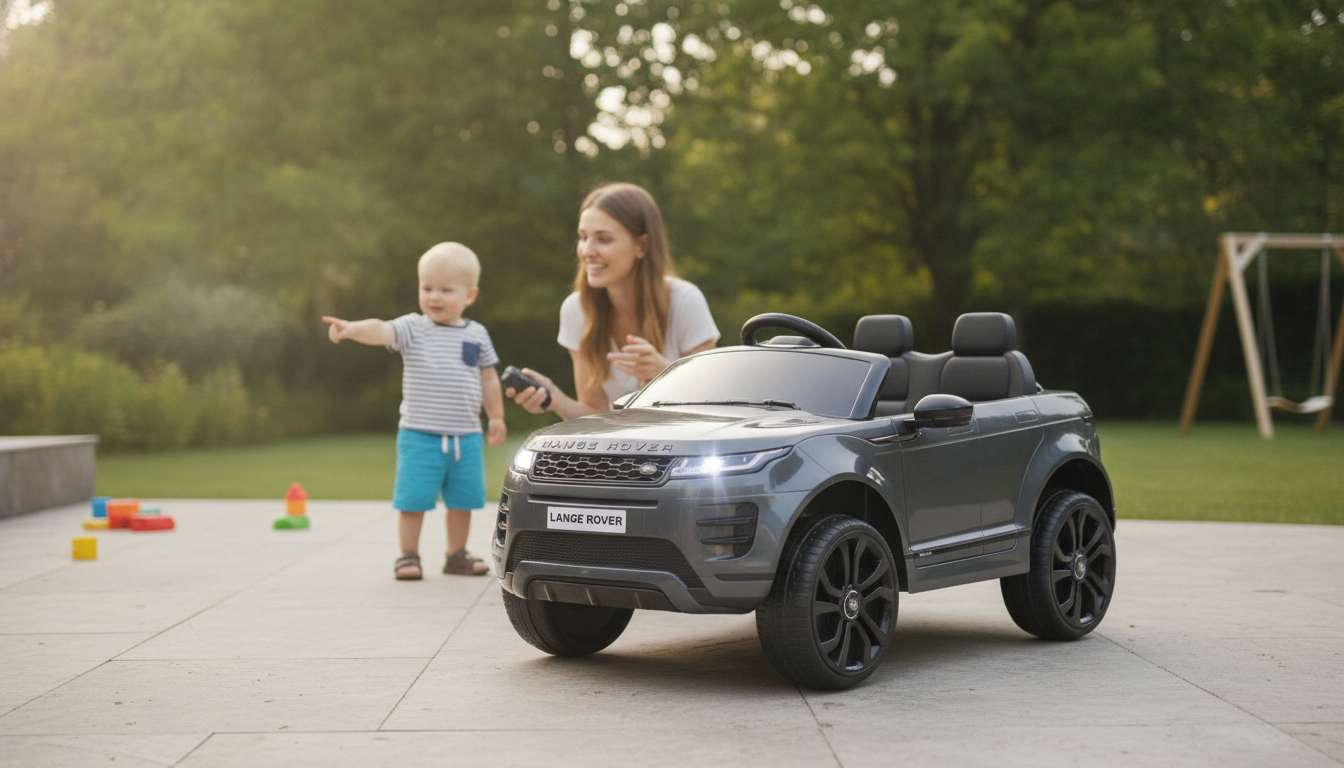
Kids’ 12V Ride On Land Rover with Remote Control and LED Lights
A rugged, kid-sized Land Rover-style ride-on can turn everyday play into confident cruising—while giving parents the reassurance of remote steering and bright LED visibility. This guide covers standout features, safety priorities, and practical tips for setup, driving, and care so your little driver can enjoy the “SUV experience” on kid-friendly terms.
What Makes This Ride-On Land Rover-Style Car Stand Out
A 12V ride-on in an SUV-inspired body brings a more adventurous feel than the typical mini coupe. It’s built for driveway laps, patio loops, and light backyard exploration—without losing the parent-friendly controls that matter most when a child is still learning.
- 12V power for lively backyard driving on smooth pavement and light terrain
- Parent remote control support for guided driving and quick intervention when needed
- LED lights for added visibility and “real car” excitement during evening play (always with supervision)
- SUV-inspired styling that feels bold and “grown-up” for imaginative role-play
- Gift-worthy presence for birthdays, holidays, and milestone celebrations
Key Features to Check Before Buying
Not all 12V ride-ons behave the same. Before choosing, focus on how the car will drive on your surfaces, how comfortably your child fits, and how confidently an adult can step in when needed.
- Remote control range and responsiveness: confirm smooth steering and dependable stop/override behavior
- Drive modes and speed settings: look for a slower learning mode and a faster option as skills improve
- Lighting and visibility: confirm front LEDs are bright enough for dusk play (not a substitute for supervision)
- Comfort and fit: seat size, back support, and pedal reach for the child’s height
- Traction basics: tire tread and wheel stability for driveways, patios, and short grass
- Audio extras (if included): music/MP3-style features can help keep younger kids engaged
| Feature | Why It Matters | Practical Tip |
|---|---|---|
| 12V battery system | Provides stronger drive than 6V models for longer play sessions | Charge fully before first use and avoid storing with a dead battery |
| Parent remote control | Helps guide beginners and improves safety near obstacles | Use remote mode until the child can steer consistently |
| LED lights | Improves visibility and adds realism | Use only in well-lit, supervised areas—avoid roads and driveways with traffic |
| Speed options | Allows a gentle learning curve | Start slow; increase speed only after turns and stops are reliable |
| Sturdy body & wheels | Better stability on uneven surfaces | Keep play on flat ground when learning; graduate to gentle terrain later |
Remote Control vs. Kid Driving: How to Use Both Confidently
The best use of a parent remote isn’t constant “chauffeuring”—it’s helping a child build real driving habits while keeping play calm and controlled.
- Beginner stage: parent controls steering and speed while the child learns direction and stopping
- Shared control: switch between remote and pedal driving in open spaces to build confidence
- Independent driving: keep the remote nearby for quick overrides in crowded yards or near landscaping
- Practice routine: straight lines first, then wide turns, then controlled stops at marked “parking” spots
- Common pitfall: oversteering—teach “small turns” and slowing down before turning
A simple progression that works well: set up two “stations” (like cones or chalk marks). Practice “start at station A, drive straight, stop at station B,” then add a gentle turn on the way back. Short drills feel like a game, and repetition improves control fast.
Safety and Supervision Essentials
Ride-on cars are most fun when the rules are clear and the environment is prepared ahead of time. For broader guidance on toy safety and kid wheeled activities, see the Consumer Product Safety Commission (CPSC) Toy Safety resources and the AAP’s guidance on bike and wheeled sports safety.
- Use on private property only: never on streets, parking lots, or near moving vehicles
- Set boundaries: cones, chalk lines, or garden markers define a safe loop away from steps and pools
- Dusk play rules: LEDs help visibility, but daylight or bright yard lighting is still safest
- Footwear and clothing: closed-toe shoes and no loose strings that can catch on wheels
- Surface check: remove small rocks, sticks, and wet leaves that can cause slipping
- Charging safety: charge in a ventilated area with the correct charger and keep cords out of reach
Setup, Charging, and Everyday Care
Who This Ride-On Is Best For
Shop Related In-Stock Options
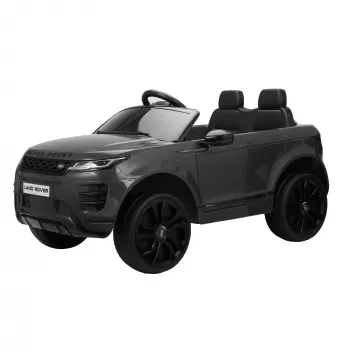
- Kids’ 12V Ride On Land Rover with Remote Control and LED Lights
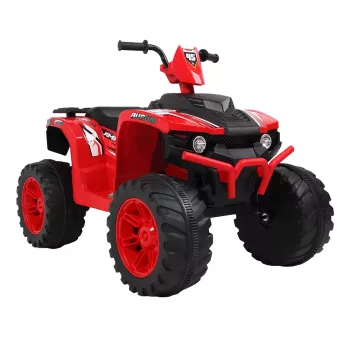
- All-Terrain Kids’ Electric Ride-On Car, 12V Dual Drive, LED Lights & MP3 Player
- High-Speed 1/8 Scale Monster Tank RC Car
Similar Options to Compare
| Option | Best For | Tradeoff |
|---|---|---|
| Land Rover-style 12V ride-on with remote & LEDs | Guided learning + realistic SUV play | Needs more space than small ride-ons |
| All-terrain 12V dual drive ride-on | Bumpier yards and stronger traction needs | May feel larger/heavier to store |
| High-speed RC vehicle | Fast-paced play without riding | Not a ride-on experience |
FAQ
How does the parent remote control help with safety?
It lets an adult guide steering and speed for beginners and quickly override the car near obstacles, uneven spots, or busy parts of the yard. The remote is a backup layer—not a replacement for close supervision and private-property-only driving.
How long should a 12V ride-on battery last per charge?
Run time varies widely based on rider weight, surface (pavement vs. grass), speed setting, and temperature, but many families see roughly 45–90 minutes of play per charge. A full first charge and recharging soon after each session help maintain more consistent performance over time.
Are LED lights safe to use at night?
LEDs can improve visibility, but they don’t make it safe for street use or areas with traffic. If playing at dusk, stick to a well-lit yard, keep the loop away from driveways and roads, and maintain active adult supervision.









Leave a comment