Winter Baby Sleepwear Checklist: Safe Layers & Room Tips
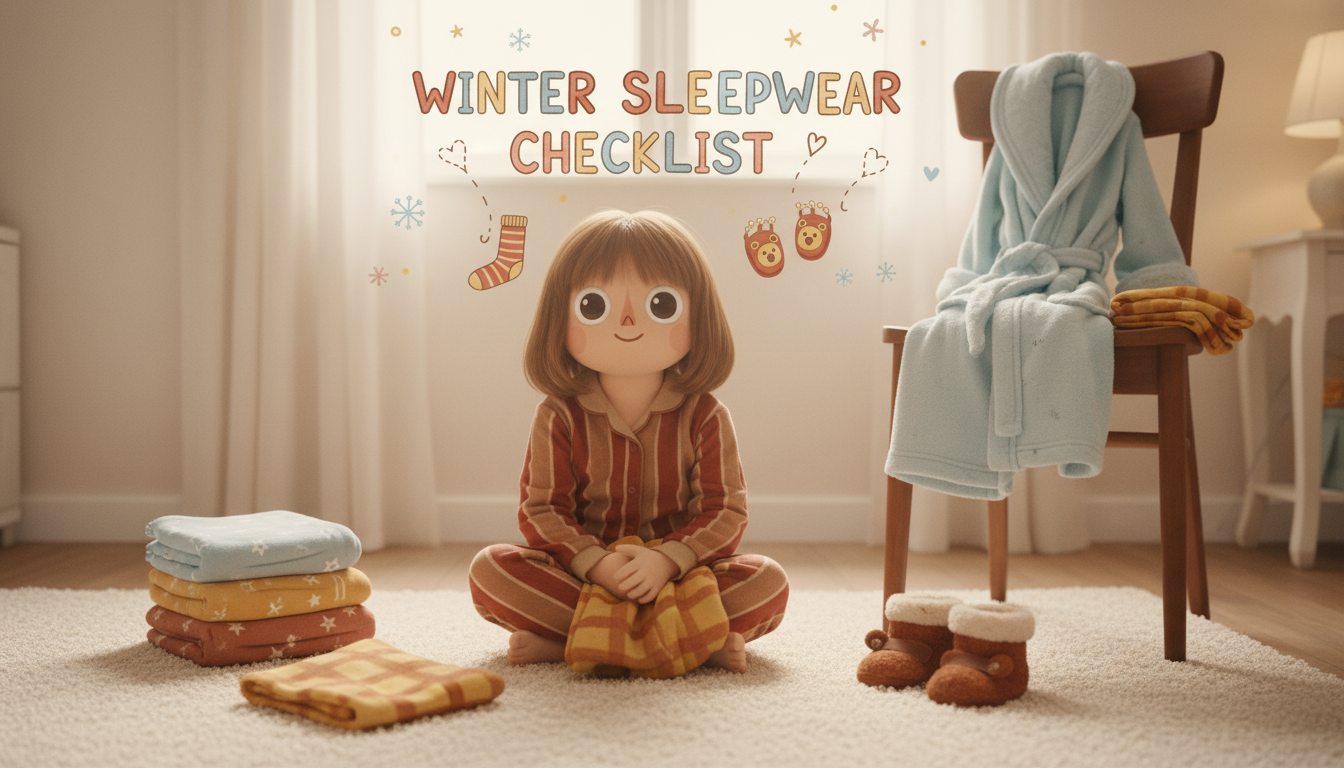
Winter Baby Sleepwear Checklist for Safer, Warmer Nights
Cold nights can make baby sleep feel like a puzzle: staying warm without over-layering, keeping the sleep space clear, and handling common winter issues like dry air and temperature swings. This checklist-style guide walks through sleepwear, room setup, and quick safety checks so bedtime feels simpler and safer—especially when the weather changes fast.
Start with the sleep space: warmth without extra bedding
A safer winter setup starts with a clear sleep space. Extra bedding may seem cozy, but it also adds risk and can trap heat in unpredictable ways.
- Keep the sleep surface firm and flat with a fitted sheet only; avoid blankets, quilts, wedges, positioners, and loose items.
- Place baby on their back for every sleep (naps and overnight).
- Use sleepwear and a wearable blanket/sleep sack for warmth instead of adding bedding.
- Aim for a stable room temperature; avoid placing the crib near drafty windows, space heaters, or heating vents.
- Watch for signs of overheating: sweaty neck, damp hair, flushed chest, rapid breathing; remove a layer if present.
For deeper safe-sleep guidance, review the American Academy of Pediatrics safe sleep recommendations and the CDC safe sleep resources.
Winter sleepwear layers: a practical checklist
Think in layers that are breathable, flexible, and easy to adjust. If you’re unsure, start lighter and add one layer at a time.
- Base layer: breathable footed pajamas or a bodysuit; prioritize fabrics that wick moisture (cotton or merino blends as tolerated).
- Insulating layer (as needed): a warmer footed sleeper or romper—avoid bulky coats, snowsuits, or padded layers for sleep.
- Top layer: a properly sized sleep sack or wearable blanket; check that the neckline and armholes fit snugly to prevent slipping up toward the face.
- Skip hats and hoods for sleep: if the room is cold, add warmth via clothing layers and room adjustments rather than head coverings.
- Hands and feet: use built-in mitt cuffs or footed pajamas if baby runs cool; avoid loose socks that can come off.
- Quick fit check: baby can move hips and knees freely; nothing tight around the chest; no drawstrings, ties, or loose ribbons.
Quick winter sleepwear decision table
| Room feel | Suggested layers | What to avoid | Parent check before lights out |
|---|---|---|---|
| Chilly (drafty corners, cool to adults) | Long-sleeve bodysuit + warm footed pajamas + sleep sack | Hats, loose blankets, thick outerwear | Neck/chest warm (not hot); fingers may be cool but not blue |
| Cool (comfortable with a light sweater) | Footed pajamas + sleep sack | Extra blankets, heavy layers that restrict movement | Back of neck dry; baby settles within a few minutes |
| Mild (comfortable in long sleeves) | Footed pajamas or long-sleeve bodysuit + lighter sleep sack | Over-layering “just in case” | No sweating; breathing easy; fabric not bunched near face |
Safe sleepwear details that matter more in winter
Winter routines can tempt parents to “snug things up.” Focus on fit and function instead of bulk.
- Choose snug-fitting sleepwear (especially for newborns) to reduce fabric bunching; follow garment sizing and weight guidance for sleep sacks.
- Avoid weighted sleep sacks, weighted blankets, and products marketed to “keep baby in place.”
- Check zippers and snaps: no broken teeth, no sharp edges, and no bunching at the chin.
- Avoid bibs, pacifier clips, necklaces, and headbands during sleep.
- If swaddling is used, confirm baby is not showing signs of rolling; stop swaddling at the first signs of rolling and transition to a sleep sack.
Nursery winter essentials that support better sleep
Small tools can make it easier to dress appropriately and troubleshoot wakeups without guessing.
- A room thermometer helps prevent over- or under-dressing; focus on baby’s neck/chest temperature rather than hands/feet alone.
- Humidifier (cool-mist) can ease dry winter air; clean and dry components daily and follow manufacturer instructions to reduce mold risk.
- Blackout curtains can reduce early darkness disruptions from streetlights and help maintain a consistent bedtime cue.
- White noise at a safe volume and placed away from the crib can buffer household sounds during longer winter evenings.
- Warm hands before transfers: pre-warm your hands or use a brief room-warming routine; never preheat the crib with heating pads or hot water bottles.
Bedtime routine tweaks for cold weather
Winter adds extra steps (and extra wakeups). A streamlined routine can keep baby calm and reduce full outfit changes at 2 a.m.
Printable checklist for quick nightly checks
A simple digital download to keep on hand
- Winter Sleepwear Checklist | Baby Sleep Guide | New Parent Digital Download | Safe Sleep eBook | Nursery Sleep Essentials (digital download)
- Using AI to Organize Kids’ Schedule | Digital Guide for Parents on How to Use AI to Organize Family Schedule (helpful for keeping winter routines consistent)
FAQ
How can warmth be checked without waking a sleeping baby?
Gently feel the back of your baby’s neck or upper chest—those areas give a better read than hands and feet, which can be naturally cool. If the neck feels sweaty or hot, remove one layer; if it feels cool, add a layer next time rather than adding blankets or a hat.
Is it safe for a baby to sleep in a hat during winter?
No—hats and hoods aren’t recommended for routine sleep because they can contribute to overheating and can shift during sleep. Safer warmth comes from appropriate clothing layers and a properly fitted sleep sack in a clear sleep space.
When should swaddling stop in colder months?
Swaddling should stop at the first signs of rolling or attempts to roll, regardless of the season. Transition to a wearable blanket/sleep sack and keep the sleep area free of loose items.








Leave a comment